
Inside Addiction Counselling: Step-by-Step Guide To Therapy And Recovery
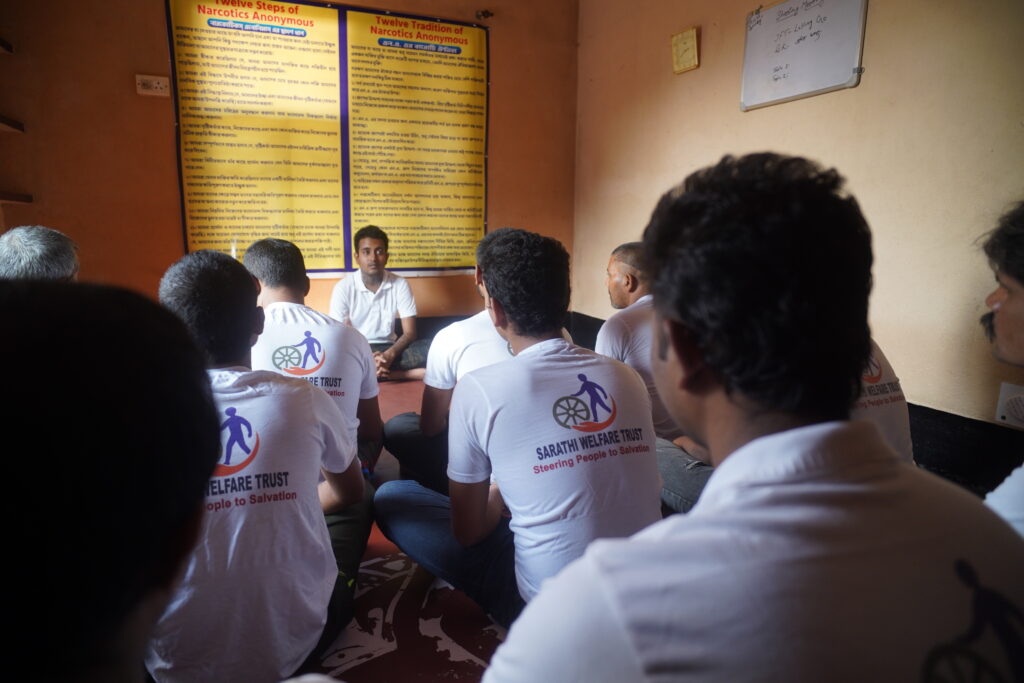
Behavioural therapy counselling is a professional approach planned to help individuals overcome substance abuse, behavioural issues, or compulsive habits. It provides guidance, support, and practical tools to manage addiction while improving mental and emotional well-being. Understanding what happens during addiction counselling can ease fears and encourage people to seek help. What Is Addiction Counselling? It is a structured program that helps individuals identify, manage, and overcome addictive behaviours. Counsellors work with clients to understand triggers, build coping skills, and create personalized recovery plans. It’s not just therapy; it’s a comprehensive approach to support lasting change. What Happens During An Addiction Therapy Session? Recovery coaching is a structured process that helps individuals understand their addiction, develop coping strategies, and work toward recovery. Here is what it includes: Step 1: Assessment The first session focuses on understanding your addiction history, personal challenges, and triggers. The counsellor gathers essential information to create a personalized plan. This evaluation helps build trust, clarifies goals, and sets the foundation for an effective recovery journey. Step 2: Goal Setting Together with your counsellor, you define clear short-term and long-term goals. Goals may include reducing substance use, managing cravings, or improving emotional well-being. Setting objectives provides direction, motivation, and measurable milestones for tracking progress throughout therapy. Step 3: Therapy Sessions Core therapy sessions use behavioural techniques to address addictive behaviours. Counsellors guide clients through coping strategies, problem-solving skills, and managing triggers. Sessions are interactive, allowing individuals to explore underlying issues and practice new habits in a safe, supportive environment. Step 4: Treatment Steps After therapy, a structured plan is created to support recovery. This includes daily routines, relapse prevention strategies, and practising healthy habits. Following these steps consistently helps clients develop stability, resilience, and the skills needed to maintain long-term sobriety. Step 5: Recovery Process Recovery is gradual and requires commitment. Counsellors assist clients in monitoring progress, addressing challenges, and staying motivated. Emphasizing patience and consistency, this phase reinforces positive changes, helps prevent relapse, and builds confidence in the client’s ability to sustain recovery. Step 6: Addiction Support Ongoing support ensures recovery continues beyond sessions. Counsellors provide follow-ups, access to support groups, and resources to prevent relapse. Regular guidance, encouragement, and connection to a support network strengthen resilience and promote a healthier, addiction-free life. Common Challenges During Counselling Facing challenges is normal in addiction recovery. Understanding these obstacles helps you stay committed and navigate the process with confidence. Counsellors provide guidance, strategies, and support to overcome setbacks. Cravings and urges – Strong temptations to return to addictive behaviour. Guilt and shame – Feeling regret or embarrassment about past actions. Frustration and impatience – Progress can feel slow or overwhelming. Relapse fears – Anxiety about slipping back into old habits. Emotional ups and downs – Mood swings or stress can challenge recovery. Why Seeking Recovery Guidance Could Change Your Life? Recovery coaching is a step-by-step journey combining therapy, supportive steps, and ongoing support. Understanding the process helps clients feel prepared and confident. With professional guidance, anyone struggling with addiction can take the first step toward recovery and a healthier life. Seeking addiction counselling is not just about quitting habits but about learning skills for a lasting, fulfilling recovery. If you or your loved ones need help, we are here!