
How Drug Addiction Changes the Brain: Explained Simply
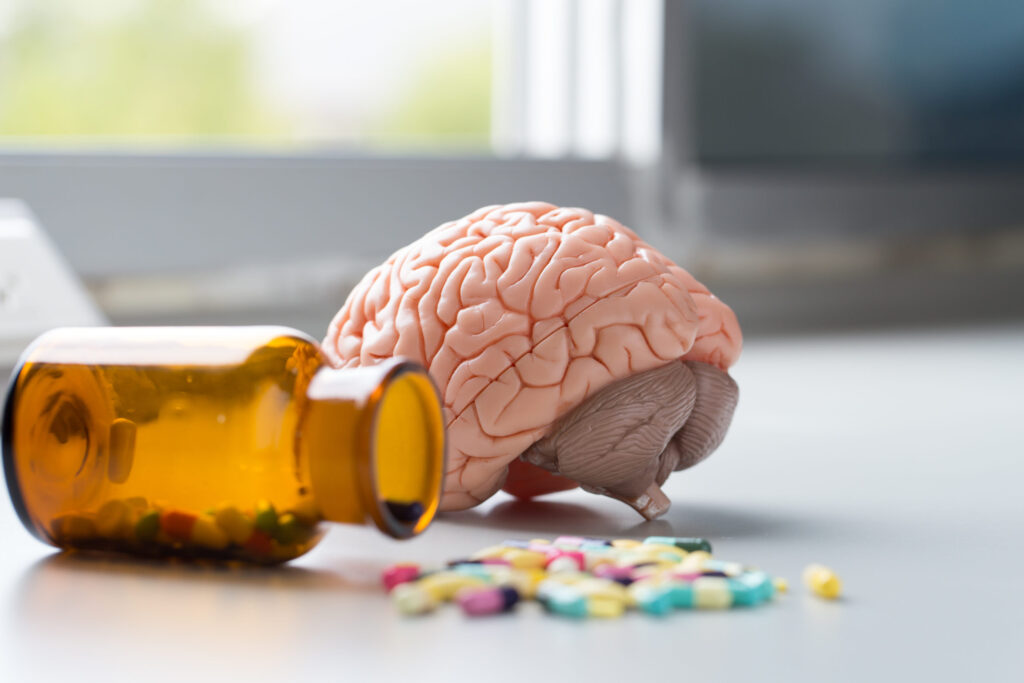
Picture a bright student slowly losing control over everyday choices. Friends notice mood swings, secrecy, and sudden isolation. Family suspects bad company, not brain changes. Addiction quietly rewires motivation, decision-making, and emotional balance. Science reveals surprising truths that many people never hear. Drug addiction treatment becomes essential when willpower alone repeatedly fails. Understanding brain changes replaces blame with empathy and medical care. Knowledge helps families respond with support instead of anger. Awareness encourages early drug addiction treatment before damage deepens. Clear facts empower communities to prevent suffering and promote timely healing. What Is Drug Addiction? Drug addiction is a chronic medical condition affecting brain function and behavior. It goes beyond weak discipline or poor moral choices. Doctors classify addiction as a treatable health disorder. Casual use differs greatly from misuse and harmful patterns. Misuse means using substances in risky or unhealthy ways. Dependence develops when the body adapts to the substance and needs it. Addiction appears when cravings overpower control and disrupt daily responsibilities. Brain chemistry changes make quitting extremely difficult without help. The World Health Organization defines addiction as a chronic relapsing disorder. The National Institute on Drug Abuse highlights compulsive use despite harmful consequences. Both emphasize medical care and structured drug addiction treatment in Kolkata for recovery. Professional care improves safety, stability, and long-term healing outcomes. Meet the Brain’s Reward System Human brains function like powerful motivation machines, guiding survival and daily behavior. Pleasure signals encourage the repetition of helpful activities, such as eating nutritious food. Positive social moments also activate internal reward pathways. A chemical messenger called dopamine drives this reinforcement system. Dopamine creates feelings of pleasure, satisfaction, and motivation. Healthy activities release balanced amounts of dopamine, which reinforce beneficial habits. Achievements, laughter, exercise, and music naturally stimulate this system. Brain circuits then record memories that link actions to positive feelings. These pathways help humans learn routines supporting survival and success. Imagine a simple diagram showing signals traveling between brain regions. Drug addiction treatment aims to restore balance within these natural reward circuits. How Drugs Hijack the Brain a) Flood of Dopamine Addictive substances release dopamine far beyond natural pleasure levels. The brain experiences an intense surge of artificial reward. Such surges strongly reinforce substance use behavior. Memory systems tag drugs as highly valuable experiences. Motivation pathways then prioritize drugs over healthy activities. b) Rewiring of Brain Circuits Repeated exposure reshapes neural connections controlling habits and decision-making. Behavior gradually shifts from voluntary choices to automatic routines. Brain wiring begins to favor substance-seeking actions repeatedly. Survival systems mistakenly treat drugs like essential biological needs. Stress triggers powerful urges through these reinforced neural loops. c) Tolerance Develops Brain cells reduce sensitivity to overwhelming dopamine signals. Previous amounts no longer create the same pleasurable effect. Users increase their doses in an attempt to regain earlier feelings. Higher consumption accelerates physical and psychological dependence. This cycle deepens damage to motivation and self-control systems. Timely drug addiction treatment interrupts these harmful neurological adaptations safely. Changes in Key Brain Areas Addiction alters important regions responsible for judgment, memory, and emotions. Decision-Making Center The Prefrontal Cortex weakens, reducing impulse control and logical thinking. Poor judgment increases the likelihood of risky behaviors and harmful choices. Memory and Learning Center The Hippocampus stores strong memories linked to substance experiences. Environmental cues easily trigger intense cravings and relapse risk. Emotion and Fear Center The Amygdala becomes overactive, heightening anxiety and emotional instability. Stress responses intensify, making daily challenges harder to manage. Comprehensive drug addiction treatment focuses on restoring healthier brain functioning. Why Quitting Feels So Hard Addicted brains interpret cravings as urgent survival signals. Strong urges overpower rational thinking during vulnerable moments. Withdrawal symptoms create physical discomfort and emotional distress. Common symptoms include restlessness, nausea, sweating, and mood swings. Brain chemistry struggles to stabilize without the substance. Healing requires time, patience, and structured medical supervision. Experts compare recovery to correcting a rewired behavioral autopilot. Old pathways push harmful habits automatically. New healthy circuits require repetition and supportive environments. Professional drug addiction treatment eases withdrawal and prevents dangerous complications. Can the Brain Recover? Brains possess a remarkable ability to heal through neuroplasticity. Neuroplasticity allows neural circuits to reorganize and strengthen. Healthy behaviors gradually rebuild damaged reward and control pathways. Medical care accelerates stabilization of brain chemistry and emotional balance. Counseling helps patients develop healthier coping mechanisms. Lifestyle improvements significantly strengthen long-term recovery outcomes. Regular exercise improves mood and cognitive functioning. Nutritious diets support neurotransmitter production and overall brain health. Quality sleep restores mental clarity and emotional regulation. Organizations like the Substance Abuse and Mental Health Services Administration provide recovery resources. Structured programs and drug addiction treatment offer realistic hope for lasting recovery. Myths vs Facts About Addiction Many misunderstandings prevent people from seeking timely medical help. Myth: Addiction results from personal choice and weak character. Fact: Brain chemistry changes reduce self-control and decision-making capacity. Myth: Strong willpower alone can permanently stop substance use. Fact: Professional care greatly improves recovery success rates. Addiction alters the motivational systems that control behavior patterns. Judgment impairment makes quitting without support extremely challenging. Shame and stigma discourage individuals from pursuing proper care. Scientific awareness encourages empathy and supportive community responses. Early drug addiction treatment in Kolkata reduces long-term neurological damage significantly. How Treatment Helps the Brain Heal Professional therapy retrains harmful thinking and behavioral patterns. Cognitive techniques strengthen emotional regulation and stress management skills. Medications stabilize neurotransmitters disrupted by prolonged substance exposure. Medical supervision ensures safe withdrawal and relapse prevention. Support groups create accountability and shared motivation for recovery. Peer discussions reduce feelings of isolation and hopelessness. Holistic care addresses physical, emotional, and psychological well-being together. Exercise improves dopamine regulation and cognitive performance. Balanced nutrition restores energy levels and brain functioning. Consistent sleep schedules enhance mood stability and concentration. Integrated drug addiction treatment programs rebuild healthier neural pathways effectively. Science clearly shows addiction reshapes brain structure and behavior patterns. Compassion must replace blame when supporting affected individuals. Medical understanding encourages early intervention and supportive family involvement. Timely drug addiction treatment prevents severe
De-addiction Rehabilitation: A Path to Healing, Hope, and a New Beginning
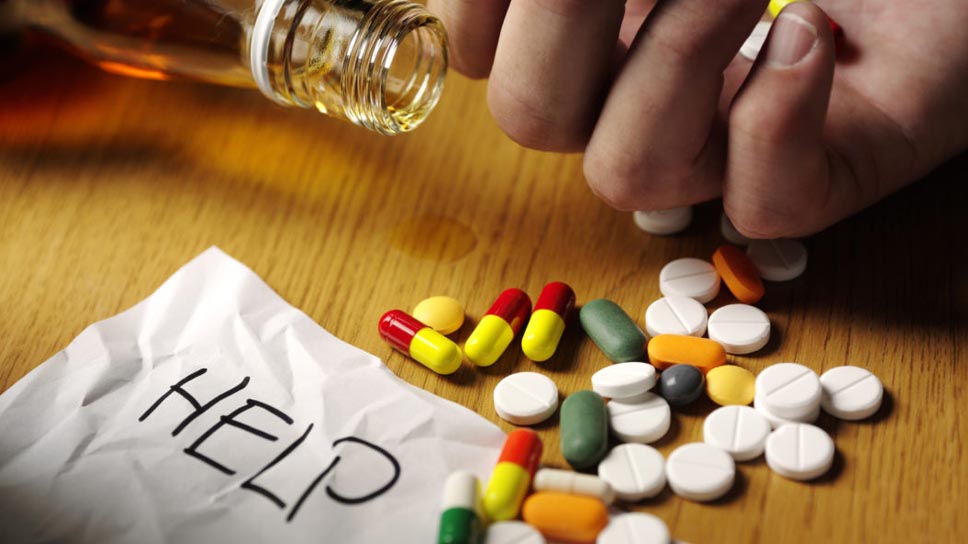
Addiction is not a moral failure or a lack of willpower—it is a complex condition that affects the mind, body, and spirit. Individuals struggling with substance abuse often feel trapped in a cycle of dependency, guilt, and isolation. De-addiction rehabilitation offers a structured, compassionate, and evidence-based pathway to recovery, helping individuals reclaim control over their lives. At Sarathi Welfare Trust, we believe recovery is possible for everyone. With the right support system, professional care, and a nurturing environment, individuals can break free from addiction and rediscover a life of purpose and dignity. Understanding De-addiction Rehabilitation De-addiction rehabilitation is a comprehensive treatment process designed to help individuals overcome dependence on substances such as alcohol, drugs, or prescription medications. It goes beyond detoxification and focuses on long-term recovery by addressing the psychological, emotional, and social factors behind addiction. Rehabilitation is not a one-size-fits-all solution. Each person’s journey is unique, and effective treatment requires personalised care tailored to individual needs. The Sarathi Welfare Trust Approach to Recovery At Sarathi Welfare Trust, our de-addiction rehabilitation programme is built on empathy, respect, and holistic healing. We focus not only on stopping substance use but also on rebuilding lives. Confidential Assessment and Counselling Recovery begins with understanding. Our experts conduct a detailed assessment to evaluate the individual’s physical health, mental well-being, addiction history, and personal challenges. This helps us create a personalised treatment plan. Medically Supervised Detoxification Detoxification is the first physical step in recovery. Under professional medical supervision, we ensure that withdrawal symptoms are managed safely and comfortably, minimising health risks. Therapy and Psychological Support Addiction often stems from deeper emotional or psychological issues. Our rehabilitation programme includes: Individual counselling Group therapy sessions Behavioural and cognitive therapies These sessions help individuals understand triggers, manage cravings, and develop healthier coping mechanisms. Holistic Healing and Life Skills Development True recovery involves healing the whole person. We integrate holistic practices such as mindfulness, meditation, and structured daily routines to promote emotional balance, self-discipline, and inner strength. Family Involvement and Support Addiction affects families as much as individuals. We actively involve family members through counselling and education, helping them understand addiction and become a positive part of the recovery journey. Aftercare and Relapse Prevention Recovery does not end when rehabilitation is complete. Our aftercare programmes provide ongoing support, follow-ups, and relapse-prevention strategies to ensure long-term success and stability. Why Choose Sarathi Welfare Trust for De-addiction Rehabilitation? Compassionate, non-judgmental care Experienced medical and counselling professionals Personalised treatment plans Safe, supportive, and structured environment Focus on long-term recovery and reintegration into society We walk alongside individuals at every stage of their journey, offering guidance, encouragement, and hope. A Message of Hope Addiction can feel overwhelming, but recovery is always possible. Seeking help is a sign of strength, not weakness. With the right support and care, individuals can rebuild relationships, regain confidence, and create a healthier, happier future. At Sarathi Welfare Trust, we are committed to being that guiding hand—helping individuals move from darkness to light, from dependency to independence. If you or a loved one is struggling with addiction, take the first step today. A new beginning starts here.
How To Handle Social Situations And Peer Pressure In Recovery

Recovery from alcohol addiction is more than abstaining from drinking; it’s a journey of rebuilding life, confidence, and self-respect. One of the hardest parts of this journey is navigating social situations where alcohol is present. Friends, colleagues, or even family members can unintentionally test your commitment. For those seeking guidance, alcohol addiction treatment in Kolkata provides professional support to help face these real-life challenges. Understanding The Emotional Landscape The emotional landscape can become stressful during social activities, leading to anxiety, loneliness, or fear of missing out. The challenges we face regarding our risky behaviours often come from our emotional state rather than our use of substances. Therefore, identifying these triggers is a key component of developing successful resistance against peer pressure. The three key areas to remember are: Awareness: Learn which environments or individuals trigger cravings. Acceptance: It is essential to realize that the feeling of temptation does not necessarily signify defeat or failure. Planning: Preparing mentally in advance for challenging scenarios. By addressing challenges at both the emotional and behavioural levels, you increase your ability to resist peer pressure. Strategies To Handle Peer Pressure Effortlessly Peer pressure can be subtle. Usually, it involves jokes, assumptions, or social norms. To maintain sobriety, consider these approaches: 1. Confidence Through Clarity Know your “why.” Whether it’s health, family, or personal growth, having a clear reason to stay sober makes saying ‘no’ easier. 2. Establish Social Boundaries For Yourself It’s okay to avoid certain gatherings or limit the time around triggers. Planning your exit strategies reduces stress and temptation. 3. Consider Taking Help From Support Systems Whether this is in the form of attending a rehab centre, listening to rehab stories, or talking to a counsellor, any external support reinforces your commitment to staying on course. 4. Replace Old Patterns Instead of reacting to pressure, replace the urge to drink with constructive activities-exercise, art, or volunteering. This helps in rebuilding self-esteem and social confidence. 5. Seek Professional Guidance The tools for coping effectively with anxiety, cravings, and social challenges are provided by a Nasha Mukti Kendra or professional counseling program. Building Resilience In Social Settings Recovery also involves deepening one’s emotional resilience. Social anxiety is a typical experience. However, it is controllable: Mindfulness practices keep you in the present and calm. Gradual exposure to social situations builds your confidence without overwhelming you. Positive self-talk reinforces your progress, even in small steps. Empowering Yourself Through Recovery Recovery from alcohol addiction is a process that entails courage, patience, and self-compassion. You may find social situations intimidating and feel pressured by peers, but every sober choice is a testament to your strength. Your friends, family, and professionals can always extend their support because they understand how difficult the process can be. Alcohol addiction treatment in Kolkata will offer you structured guidelines and care that will help you gain confidence. Take the step today because each sober choice takes you closer to stability, peace, and self-respect.
De-Addiction Rehabilitation: A Path to Recovery with Sarathi Welfare Trust
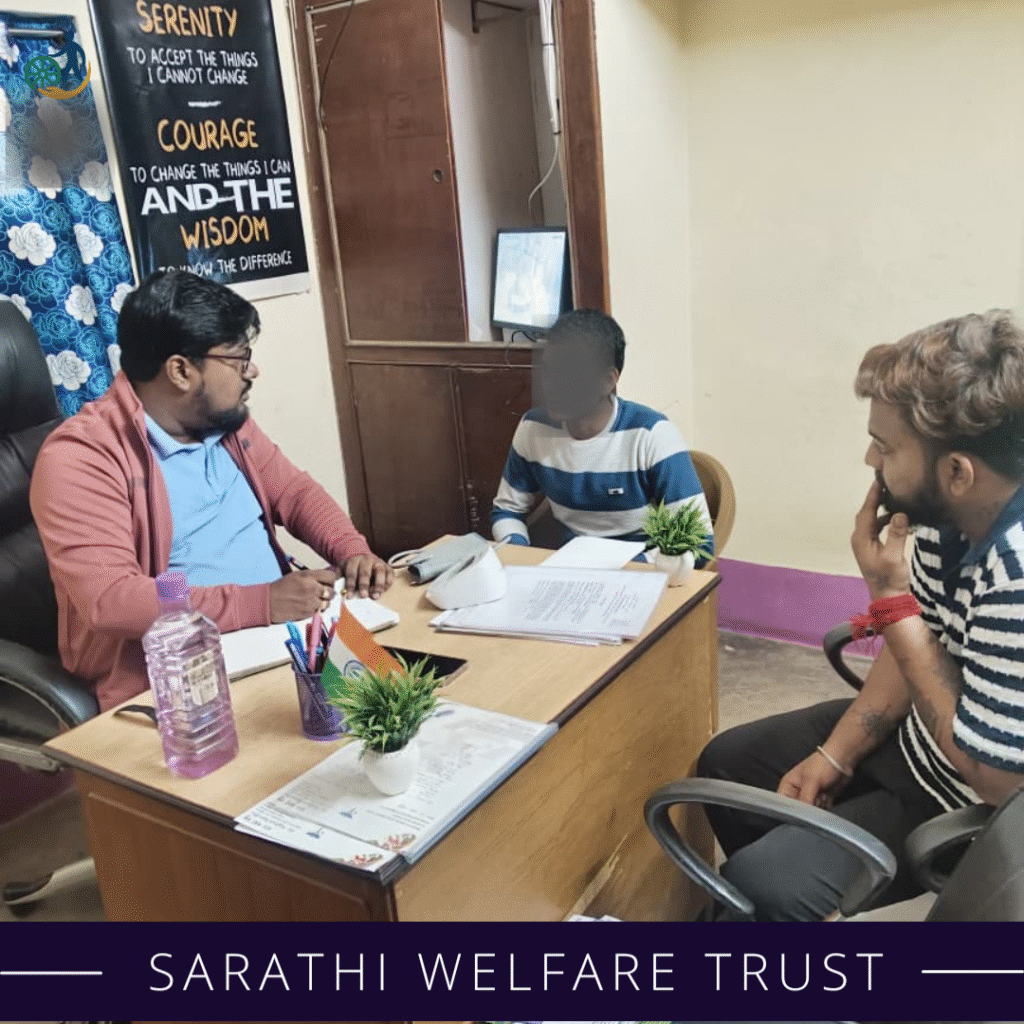
Helping Individuals Rebuild Their Lives with Care, Compassion & Timely Medical Support Overcoming addiction is not just about stopping a harmful habit—it is about rebuilding physical health, regaining emotional stability, and restoring hope for a brighter future. At Sarathi Welfare Trust, our De-addiction Rehabilitation Centre is dedicated to supporting individuals who want to break free from addiction and reclaim control of their lives. Why De-Addiction Rehabilitation is Important Addiction affects a person physically, mentally, emotionally, and socially. Without proper care, it can destroy family relationships and overall well-being. A structured rehabilitation program provides: Safe detoxification Professional counselling Therapy to manage cravings Emotional and mental healing Guidance to rebuild life skills At Sarathi Welfare Trust, every patient receives personalized attention to ensure long-term recovery. Doctor Visit on Time – Our Commitment to Proper Medical Care Medical supervision is the backbone of every successful rehabilitation journey. We ensure: ✅ Regular Doctor Visits on Time Our qualified doctors conduct routine check-ups to monitor progress, manage withdrawal symptoms, and adjust treatment plans whenever necessary. ✅ Emergency Medical Support In case of any sudden health concern, our medical team responds immediately with proper care and attention. ✅ Medication Management Only prescribed and safe medications are administered under strict supervision. This timely medical care helps patients recover safely and confidently. Therapies and Support We Provide At Sarathi Welfare Trust, we follow a holistic recovery model that includes: Individual Counselling One-on-one sessions to understand the root cause of addiction and develop healthier coping mechanisms. Group Therapy A supportive environment where individuals can share, learn, and gain motivation from others experiencing similar struggles. Yoga & Meditation Helps improve mental focus, reduce stress, and regain inner balance. Behavioural Therapy Addresses negative thought patterns and helps build positive habits. Family Counselling Because recovery becomes stronger when family members understand and support the journey. Safe & Supportive Environment Our centre is designed to ensure safety, comfort, and dignity for every resident. With trained staff available 24/7, patients feel supported throughout their recovery process. Our Mission Sarathi Welfare Trust aims to bring hope and healing to individuals battling addiction. We believe that every person deserves a second chance, and our rehabilitation program is designed to help them rise again—stronger, healthier, and happier. Conclusion Addiction recovery is a journey that requires patience, guidance, and the right environment. At Sarathi Welfare Trust De-addiction Rehabilitation Centre, we combine medical care, counselling, therapy, and compassion to help individuals transform their lives. With on-time doctor visits, professional support, and a holistic approach, we stand beside each patient every step of the way.
Restoring Lives: The De-Addiction Rehabilitation Centre by Sarathi Welfare Trust
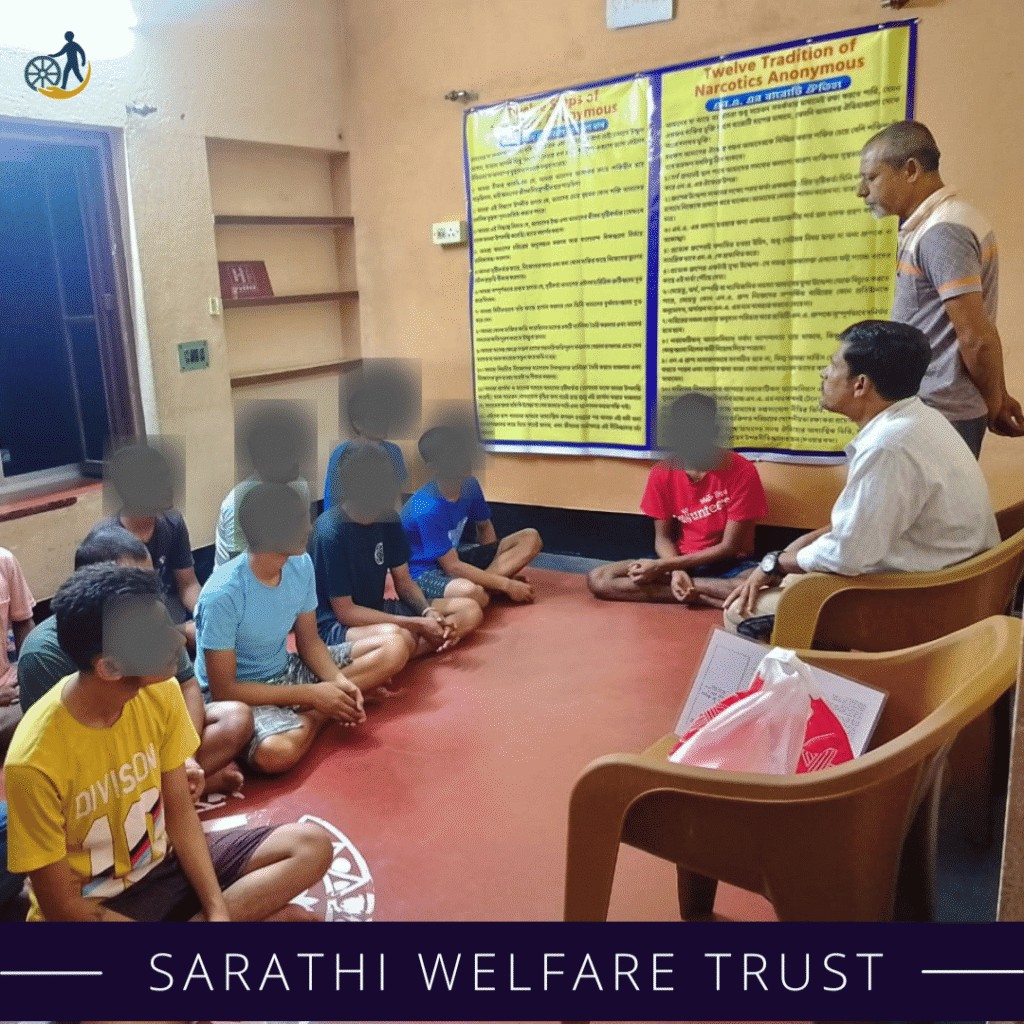
In many communities across Howrah and Hooghly, addiction remains a quietly growing concern—one that requires compassion, structure, and sustained support. The De-Addiction Rehabilitation Centre of Sarathi Welfare Trust, known locally as Neshamukti Kendra, is one such place of hope, where recovery is possible, dignity is restored, and lives are rebuilt. What is Neshamukti Kendra? “Neshamukti Kendra” means “center for freedom from substance addiction.” It is a beacon of support for those seeking to break free from dependency on alcohol, drugs, or other harmful substances. Under Sarathi Welfare Trust’s care, the Neshamukti Kendra in Howrah (and its counterpart in Hooghly) operates as more than just a detox facility—it is a comprehensive rehabilitation programme. Mission & Vision Mission: To provide holistic care for individuals struggling with addiction, combining medical, psychological, social, and spiritual components to help them rejoin society as healthy, productive citizens. Vision: A society where addiction is not a stigma but an illness treated with empathy; where those who fall are helped up without judgment; where families are supported; and where prevention and awareness are as strong as cure. Why the Need in Howrah & Hooghly Howrah and Hooghly are not immune to the challenges of substance misuse: social stress, unemployment, peer pressure, and availability of addictive substances all play a role. Rehabilitation centres, or Nesha Mukti Kendras, and De-Addiction Rehabilitation Centres are vital in these districts to offer: Early intervention Counseling and therapy Safe detoxification Aftercare and reintegration support Sarathi Welfare Trust has recognized these needs and responded by setting up centres and support systems. Services Offered at Sarathi’s De-Addiction Rehabilitation Centre Here are the core elements that make the centre effective and compassionate: Component Details Detoxification & Medical Supervision Safe, supervised withdrawal from substances, with appropriate medical care to manage symptoms. Psychological & Counselling Support Individual therapy, group counseling, cognitive behavioral therapy, motivational interviewing. Addressing underlying causes like trauma, depression, anxiety. Peer Support & Community Living Residents live in a supportive community, sharing experiences, group activities that build trust, responsibility, hope. Life Skills & Vocational Training Helping people learn or relearn skills to become self-sufficient: job training, education, daily routine, health, hygiene. Aftercare & Family Reintegration Follow-up, relapse prevention, family counselling, reintegrating into the social and economic life of the community. Prevention & Awareness Campaigns Outreach in local communities, schools, families to educate about addiction, reduce stigma, encourage early help-seeking. The Role of the Neshamukti Kendra in Howrah & Hooghly Sarathi Welfare Trust’s centres in Howrah and Hooghly serve overlapping but distinct roles: Neshamukti Kendra in Howrah focuses on providing access for urban, densely populated populations—those who may not be aware of or able to access services easily. It addresses immediate withdrawal, counseling, and network support within Howrah. Rehab Centre in Hooghly / Neshamukti Kendra in Hooghly acts also as a hub for people from rural or semi-rural areas; often longer-term stays, more community tie-ups, more focus on vocational reintegration because employment opportunity plays a big role in these areas. This dual presence strengthens the capacity of Sarathi Welfare Trust to reach a wider population and tailor services suitable for different socio-economic contexts. Old Age Home as part of the Care Ecosystem Another dimension of Sarathi Welfare Trust’s work is the old age home in Hooghly. There is often overlap: elderly people suffering from substance misuse may require elder care; families broken by addiction might also lack elders’ support; older persons may be vulnerable or isolated. The old age home complements the de-addiction and rehabilitation work by: Providing shelter, nutrition, medical care to senior citizens Offering companionship, reducing isolation which often worsens mental health or addiction relapse Serving as a stable environment to which people recovering from addiction can look forward and plan for the long term Success Stories & Impact “Ravi’s Journey”: From heavy alcohol use, losing family connection, to completing counselling, vocational training, now working part-time and reconciling with his family. “Rohan’s Strength”: Battled drug use compounded by lack of awareness; through group therapy, she regained confidence, became a peer counsellor herself. These illustrate how a De-Addiction Rehabilitation Centre can transform lives—not just avoiding relapse, but helping people rebuild purpose. Challenges & The Road Ahead Of course, operating such centres is not without obstacles: Stigma and social barriers: People fear judgment; shame can prevent seeking help. Resource constraints: Qualified staff, funding for medicines, space, aftercare services are always stretched. Relapse rates: Addiction is often chronic; relapse is possible—requires sustained support. Awareness: Many people don’t know about Neshamukti Kendras or trust them. The way forward includes increasing community outreach, securing funding, training more counsellors/social workers, strengthening follow-ups. How the Community Can Help Volunteer: Whether in counselling, logistics, visiting, mentoring recovered persons. Donate: Financial help, medical supplies, educational/vocational tools. Awareness: Share information about Neshamukti Kendra in Howrah and Hooghly, reduce stigma. Employ: Give work opportunities to people recovering from addiction—this goes a long way for reintegration. Conclusion The Sarathi Welfare Trust’s De-Addiction Rehabilitation Centre—its Neshamukti Kendra in Howrah and Hooghly—is more than a treatment institution. It is a place of second chances: for those cradled in despair to find hope, for families to heal, for communities to regain their strength. Supporting the old age home alongside the rehab centre, the Trust weaves together a care ecosystem that acknowledges that human worth does not vanish with addiction or age. If you, or someone you know, needs help, or wants to contribute, remember: recovery begins where compassion meets action.
Nesha Mukti Kendra – Helping Lives Recover with Sarathi Welfare Trust
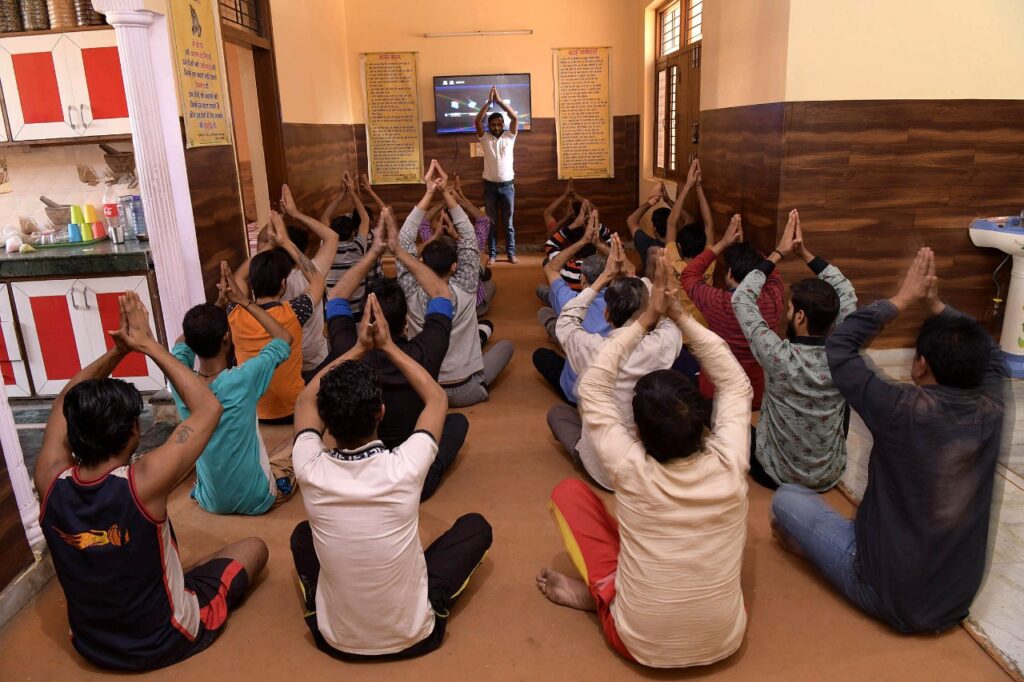
Addiction is one of the biggest challenges faced by many families today. It not only harms the health of the person suffering but also brings stress and pain to loved ones. At Sarathi Welfare Trust, we aim to provide care, treatment, and guidance through our trusted Nesha Mukti Kendra. With the right support, recovery is always possible, and life can be rebuilt with dignity. A Place for Healing and Recovery Our centre is designed to help people struggling with substance abuse. Whether you are searching for a neshamukti kendra in Howrah or a rehab centre in Hooghly, we offer the right environment for healing. We focus on not just stopping addiction but also helping individuals live healthy, confident, and productive lives. Services We Provide At our De-addiction Rehabilitation Centre, we believe in complete care. Some of the key services we provide include: Detoxification Programs – Safe medical care to manage withdrawal symptoms. Counselling & Therapy – Professional sessions to improve emotional health and decision-making. Rehabilitation Support – Training and guidance to build new skills and positive habits. Family Counselling – Helping families understand addiction and support their loved one’s journey. Aftercare Services – Continued support even after treatment to avoid relapse. These steps ensure that recovery is not just temporary but long-lasting. Why Choose Sarathi Welfare Trust? There are many reasons families trust us as a reliable neshamukti kendra in Hooghly and nearby areas: We have experienced doctors, counsellors, and caretakers. The environment at our centre is clean, peaceful, and supportive. We provide affordable treatment so that families do not face financial stress. Our team has helped many people successfully recover and return to a normal life. At Sarathi Welfare Trust, we treat every patient with respect and care, ensuring they never feel alone in their fight against addiction. Support Beyond Addiction – Old Age Home in Hooghly Apart from running a De-addiction Rehabilitation Centre, we also manage an Old Age Home in Hooghly. Many elderly people face loneliness and health issues, and our centre provides them with safety, comfort, and companionship. With medical care, proper facilities, and a homely environment, senior citizens can live with dignity and peace of mind. Take the First Step Towards Recovery Addiction can be treated, but it starts with one important decision – reaching out for help. At Sarathi Welfare Trust, we are here to guide you and your loved ones through every step of the recovery journey. ???? For more information, call us today on: +91 8336 940 465
Reclaiming Life: De-Addiction and Hope at Sarathi Welfare Trust
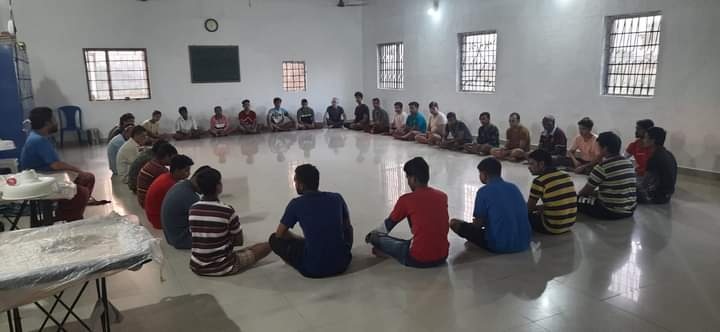
In the fight against addiction, the first step is often the hardest—but it’s also the most life-changing. At Sarathi Welfare Trust, we believe everyone deserves a second chance. Our De-addiction Rehabilitation Centre, based in Hooghly and extending its services to Howrah, is a safe and supportive haven for individuals struggling with substance abuse and alcohol dependency. Who We Are Sarathi Welfare Trust is a non-profit organisation dedicated to empowering individuals and rebuilding families torn apart by addiction. Our mission is simple yet powerful: to offer a path to recovery, dignity, and a meaningful future. What We Offer Our rehabilitation programme is designed with compassion, medical care, and emotional healing in mind. Here’s what sets us apart: Holistic Treatment Plans: We combine medical detoxification, counselling, group therapy, yoga, and meditation to heal the body and mind. 24/7 Medical Supervision: Trained professionals, including doctors and mental health experts, ensure continuous care and safety. Individual & Group Counselling: We address the root causes of addiction through deep, personalised therapy sessions. Family Support & Education: We help families understand addiction and guide them in supporting their loved ones on the road to recovery. Aftercare & Relapse Prevention: Recovery doesn’t end after rehabilitation. Our follow-up care is designed to prevent relapse and encourage long-term sobriety. Why Choose Us in Hooghly and Howrah? Addiction doesn’t discriminate—it affects individuals and families across all walks of life. Sarathi Welfare Trust is one of the few centres in Hooghly that also reaches out to those in Howrah, providing accessible, affordable, and culturally sensitive rehabilitation services. We understand the local community, speak your language, and treat each person with the respect and dignity they deserve. Real Stories, Real Recovery Every person who walks through our doors carries a story—of struggle, pain, and hope. At Sarathi Welfare Trust, we’ve seen remarkable transformations: people who were once lost to addiction now living healthy, productive, and joyful lives. These stories fuel our passion and purpose every day. Join Us in Building a Better Tomorrow If you or someone you love is battling addiction, don’t wait. Reach out to Sarathi Welfare Trust today. Recovery is possible—and it starts with a conversation. Contact Information: ???? Location: Hooghly and Howrah ???? Phone: +91 83369 40465 ???? Email: sarathiwelfaretrustrehabilitat@gmail.com Closing Note: Addiction may be part of your story, but it doesn’t have to be the end. With the right support, healing is not just a dream—it’s a reality. At Sarathi Welfare Trust, we’re walking this journey with you.