
My Son Has Stopped Taking Drugs, But He Is Not Himself Anymore: What Should a Family Do?
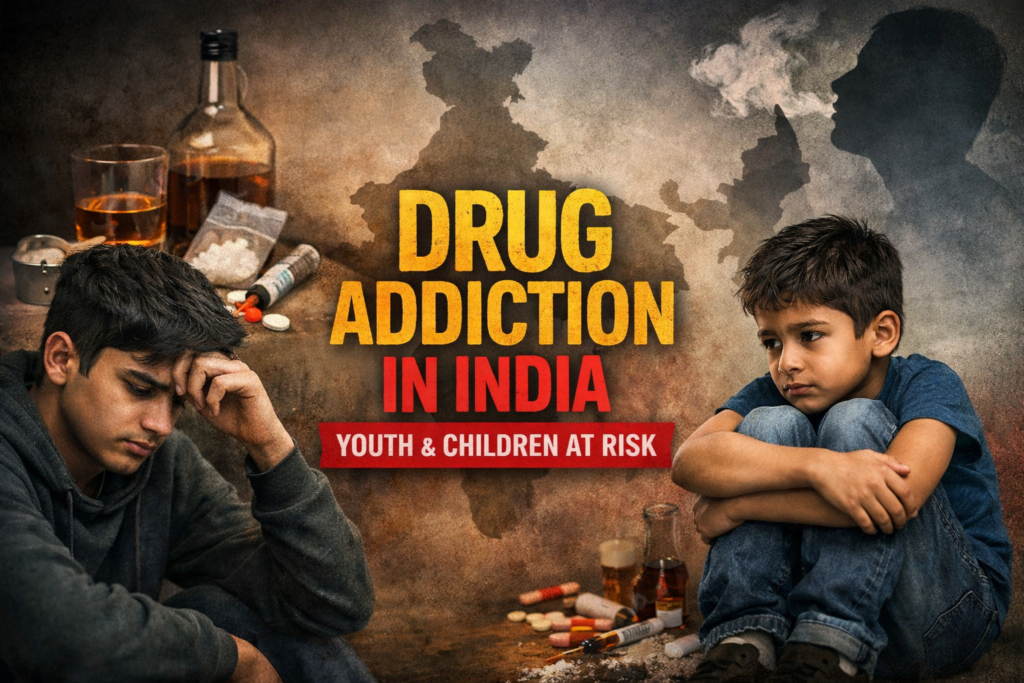
For a parent, seeing their son stop taking drugs can bring an enormous sense of relief. But sometimes, after the drug use has stopped, another worry begins. He is not talking like before. He stays in his room. He gets irritated over small things. He doesn’t want to meet friends or family. Perhaps he seems unhappy even though he is no longer taking drugs. Many parents quietly ask themselves: “He has stopped taking drugs, so why isn’t he back to normal?” The answer is that stopping drugs is only one part of recovery. The mind, body and family relationships also need time to recover. Stopping Drugs Does Not Mean Everything Becomes Normal Overnight Families understandably want to see their old son back as quickly as possible. But addiction can change a person’s daily habits, emotions, relationships and way of dealing with problems. After stopping drugs, a person may still struggle with mood changes, poor sleep, lack of motivation, frustration or difficulty enjoying things that they used to enjoy. This doesn’t necessarily mean that treatment has failed. Sometimes, it simply means that recovery is still taking place. Every person is different, and there is no fixed amount of time in which someone will suddenly become exactly as they were before. “He Doesn’t Talk to Us Anymore” This is something parents can find particularly painful. After months or years of arguments and worry, they may want to talk about everything immediately. But someone recovering from addiction may not be ready for long conversations. Instead of repeatedly asking: “Why are you behaving like this?” “Are you taking drugs again?” “What is wrong with you?” try keeping communication simple. A quiet: “If you want to talk, I’m here.” can sometimes do more than a long lecture. Give him some space, but don’t make him feel that he is alone. Don’t Expect Him to Prove His Recovery Every Day Parents often become very watchful after addiction. If their son comes home late, they worry. If he sleeps more than usual, they worry. If he doesn’t answer his phone, they worry. This is understandable. Trust may have been damaged during the period of addiction. But constantly making the person prove that they are not using drugs can create more tension at home. This does not mean ignoring genuine concerns. It means learning to separate reasonable concern from constant suspicion. If there are clear warning signs, talk to a professional rather than immediately turning the situation into an argument. What If He Is Angry All the Time? Anger can sometimes be part of the difficulties a person experiences during recovery. There may also be other reasons behind it, including frustration, emotional problems, family conflict or difficulty adjusting to life without substances. Parents should avoid responding to every angry moment with another angry reaction. Set reasonable boundaries, but try to keep conversations calm. For example, it is perfectly reasonable to say: “We want to support you, but we cannot accept abusive behaviour in the house.” Supporting recovery does not mean accepting everything. Healthy boundaries are important for the whole family. Look at Progress, Not Just Personality One mistake families sometimes make is judging recovery by whether their son has become cheerful and social again. Instead, look at the smaller things. Is he maintaining a daily routine? Is he eating and sleeping better? Is he attending counselling or follow-up appointments? Is he staying away from people and places connected with his previous drug use? Is he taking more responsibility at home? Is he beginning to think about work, studies or his future? These things may not look dramatic, but they can be important signs of progress. When Should a Family Become Concerned? Not every change in behaviour means that someone has started taking drugs again. However, families should not ignore significant changes either. It is worth seeking professional advice if you notice several worrying signs, such as: If you are unsure about what you are seeing, speaking with a qualified professional is usually better than trying to diagnose the situation yourself. Don’t Keep Reminding Him About His Past This can be one of the hardest things for parents. You may have suffered because of his addiction. You may have lost money, trust, peace of mind or relationships because of what happened. Your feelings are real. But repeatedly saying: “You have ruined everything.” “We can never trust you.” “Look what you did to us.” may push the person further away. The past cannot simply be erased, and rebuilding trust takes time. But recovery also requires giving the person an opportunity to make better decisions. There needs to be a balance between accountability and encouragement. The Family May Need Help Too Addiction affects the entire household. Parents may spend years worrying, arguing, hiding problems from relatives or trying to protect their child from the consequences of addiction. By the time treatment begins, the family can be exhausted. Family counselling can help parents understand what their son may be experiencing and how they can support him without enabling unhealthy behaviour. It can also give parents a place to discuss their own fears and frustrations. At Sarathi Welfare Trust, we believe that involving the family can be an important part of the recovery process. What Can You Do at Home? You don’t need to create a perfect environment. Start with simple things. Encourage a regular routine. Try to maintain normal family conversations. Encourage healthy activities. Don’t isolate him from everyone. At the same time, don’t allow old habits or harmful behaviour to become normal again. Keep appropriate boundaries around money, visitors, responsibilities and behaviour at home. And if professional follow-up has been recommended, encourage him to continue with it. Most importantly, don’t make every conversation about addiction. Talk about ordinary things too. Ask what he wants to eat. Watch something together. Talk about work or studies. Go for a walk. Small normal moments can help rebuild a relationship that may have been damaged for years. Recovery Takes Time A person recovering from
???? Nurturing Mental Health and Wellness with Sarathi Welfare Trust

Building a Healthier Mind, One Step at a Time In today’s fast-paced world, mental health is just as important as physical health — yet it’s often overlooked. Stress, anxiety, and emotional struggles have become part of daily life for many. At Sarathi Welfare Trust, we believe that true wellness begins with a healthy mind. Our mission is to spread awareness, offer guidance, and create a safe space where individuals can heal, grow, and rediscover balance. Understanding Mental Health Mental health includes our emotional, psychological, and social well-being. It affects how we think, feel, and act — influencing every decision and relationship in our lives. Good mental health isn’t about being happy all the time; it’s about managing challenges, staying resilient, and seeking help when needed. Sadly, many still suffer in silence due to stigma and lack of awareness. That’s why Sarathi Welfare Trust actively works to break these barriers through counselling sessions, community programmes, and awareness drives across local communities. Our Approach to Wellness At Sarathi Welfare Trust, we follow a holistic approach that combines: ???? Counselling and Therapy – Offering emotional support through professional counsellors. ???? Community Outreach – Conducting workshops in schools, workplaces, and neighbourhoods to promote open conversations on mental health. ???? Mindfulness and Wellness Activities – Yoga, meditation, and group activities to nurture peace and positivity. ❤️ Support for Addiction Recovery – Partnering with de-addiction and rehabilitation centres to provide long-term care for individuals rebuilding their lives. Why Mental Wellness Matters When people feel mentally strong and emotionally supported, they can contribute more positively to their families, workplaces, and society. Wellness isn’t a luxury — it’s a necessity. By addressing mental health early, we can prevent serious issues like depression, substance abuse, and isolation. Our Commitment Sarathi Welfare Trust is committed to ensuring that no one faces their struggles alone. Our mission is to make mental health care accessible, compassionate, and free from judgment. Together, we can create a community where every individual has the courage to seek help and the hope to heal. ???? Join Us in Promoting Mental Wellness Whether through volunteering, donating, or spreading awareness, you can play a role in supporting mental health initiatives. Let’s stand together to build a future where mental wellness is valued, understood, and supported by all. Sarathi Welfare Trust – Lighting the Path to Healing and Hope.
Mental Health Awareness and the Importance of Self-Care
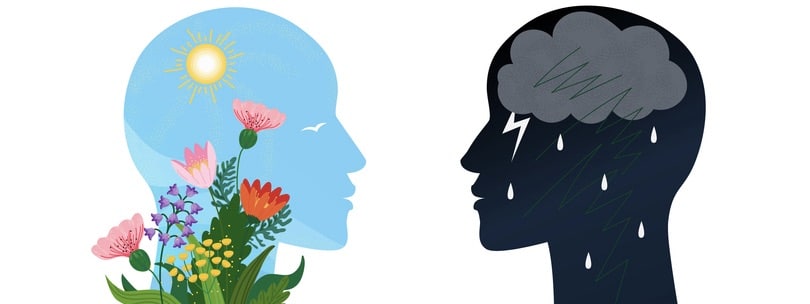
Promoting a Healthier Mind and a Happier Life with Sarathi Welfare Trust In today’s fast-paced world, mental health has become just as important as physical health — yet it often remains neglected. Many individuals struggle silently with stress, anxiety, or depression, without realising that help and guidance are available. At Sarathi Welfare Trust, we are dedicated to spreading awareness about mental health and promoting self-care as a vital part of a healthy lifestyle. As an organisation deeply involved in rehabilitation and wellness, through our Neshamukti Kendra in Howrah and Rehab Centre in Hooghly, we have seen first-hand how emotional well-being can transform lives. Understanding Mental Health Mental health refers to our emotional, psychological, and social well-being. It affects how we think, feel, and act in daily life. A healthy mind helps us manage stress, maintain relationships, and make sound decisions. However, pressures such as work overload, family responsibilities, or addiction can lead to emotional distress or mental health disorders if ignored. Common mental health issues include: Stress and anxiety Depression Addiction and substance abuse Emotional burnout Sleep disturbances Recognising these signs early and seeking help from professionals or trusted organisations like Sarathi Welfare Trust can make a significant difference in recovery. Breaking the Stigma Around Mental Health Despite growing awareness, many people still hesitate to discuss mental health concerns due to fear of judgement or social stigma. At Sarathi Welfare Trust, we are working tirelessly to normalise conversations around mental health and addiction recovery. Our team at the De-addiction Rehabilitation Centre encourages individuals and families to come forward and seek help without shame or hesitation. By talking openly, we can replace stigma with understanding and compassion. The Power of Self-Care Self-care is a simple yet powerful practice that helps maintain mental balance. It involves intentional actions to nurture your body, mind, and emotions. When you prioritise self-care, you improve your resilience and overall happiness. Here are a few self-care habits that promote better mental health: ????♀️ Meditation and mindfulness: Calms the mind and reduces anxiety. ????♂️ Physical activity: Regular exercise releases endorphins that boost your mood. ???? Nutritious food: A balanced diet supports both brain and body function. ???? Proper sleep: Rest allows your mind to recharge and recover. ???? Social connections: Spending time with loved ones strengthens emotional support. ???? Personal hobbies: Engaging in enjoyable activities helps reduce stress. Even small efforts, when practised consistently, can bring meaningful improvements in mental health and quality of life. Sarathi Welfare Trust’s Role in Promoting Mental Well-being At Sarathi Welfare Trust, we are committed to promoting mental wellness through awareness campaigns, counselling sessions, and rehabilitation support. Our Neshamukti Kendra in Hooghly and Neshamukti Kendra in Howrah provide a safe and nurturing environment for individuals battling addiction and mental distress. Our holistic approach combines therapy, community support, and mindfulness practices to help individuals regain control over their lives. The goal is not only recovery but also emotional stability and long-term well-being. Conclusion Mental health is a journey, not a destination. By practising self-care, spreading awareness, and showing empathy to those around us, we can create a community where everyone feels valued and supported. Remember — asking for help is a sign of strength. Whether you or a loved one needs guidance, our De-addiction Rehabilitation Centre, Neshamukti Kendra in Howrah, and Rehab Centre in Hooghly are always here to support your path to healing. Together, let’s make mental health a priority — for ourselves, our families, and our society.