
Nasha Mukti Kendra in Hooghly – A Path to Healing with Sarathi Welfare Trust
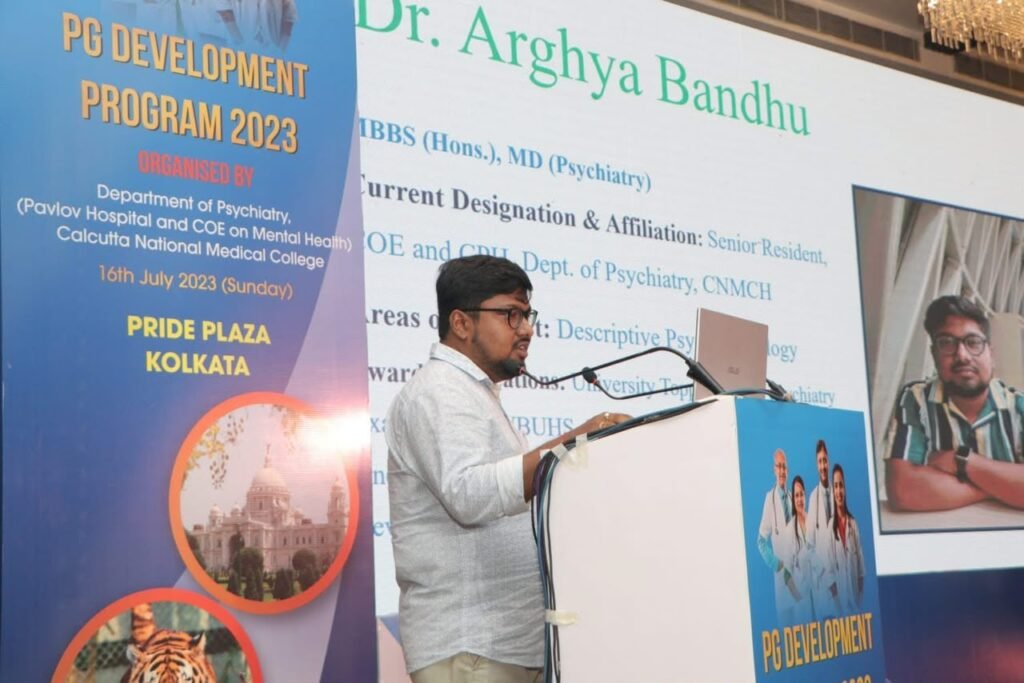
Recovery and Rehabilitation in Hooghly with Dr. Arghya Bandhu Addiction is one of the toughest battles a person can face. It doesn’t just affect the individual; it impacts families, careers, and communities. At Sarathi Welfare Trust, we believe recovery is possible when medical expertise, emotional support, and a safe environment come together. Our Nasha Mukti Kendra in Hooghly is designed to provide exactly that — a place where people can rebuild their lives with dignity and hope. Understanding Addiction Addiction is not simply a bad habit. It is a medical condition that changes the way the brain works. Whether it is alcohol, drugs, or other substances, dependency can make people feel trapped. Many families struggle silently, unsure of where to turn for help. That’s why centres like ours exist — to provide structured care, professional guidance, and a clear path forward. The Role of Expert Guidance Recovery is most effective when guided by professionals. At Sarathi Welfare Trust, our programs are led by Dr. Arghya Bandhu, MD Psychiatrist, a respected specialist in addiction and mental health. His expertise ensures that every patient receives proper medical evaluation, safe detoxification, and ongoing psychiatric support. Having a qualified psychiatrist at the centre means patients are not just treated for addiction but also for underlying issues such as anxiety, depression, or trauma, which often accompany substance abuse. What Makes Sarathi Welfare Trust Different? Services We Provide The Journey of Recovery Recovery is not about punishment or shame. It is about rediscovering life. At Sarathi Welfare Trust, we help patients regain confidence, rebuild relationships, and prepare for a healthier future. With the guidance of Dr. Arghya Bandhu and our dedicated team, every patient is given the tools to overcome dependency step by step. We believe that addiction should never define a person. With the right care, anyone can break free and start anew. Why Choose a Nasha Mukti Kendra in Hooghly? Hooghly is home to many families who struggle with addiction issues but hesitate to seek help. Our centre is easily accessible, offering professional care close to home. By choosing Sarathi Welfare Trust, patients and families don’t have to travel far for quality treatment — they can find hope right here in their community. Key Points Addiction recovery is a journey, not a quick fix. It requires patience, medical support, and emotional strength. At Sarathi Welfare Trust’s Nasha Mukti Kendra in Hooghly, we provide all three. With the expertise of Dr. Arghya Bandhu, MD, Psychiatrist, and a compassionate team, we stand beside every patient as they take steps toward a healthier, happier life.
5 Signs Someone May Need a Nasha Mukti Kendra
How to recognise when it’s time to seek professional help for addiction It’s never easy for a family to accept that a loved one might need professional help for alcohol or drug addiction. Often, it’s dismissed as just a bad habit or something the person will stop on their own. But sometimes, the situation has already gone beyond casual use. If drinking or drug use is affecting health, work, relationships, or daily life, it may be time to consider support from a Nasha Mukti Kendra (rehabilitation centre). Here are five signs you should not ignore: 1. Repeated Attempts to Quit Fail A common sign is when someone keeps saying they’ll stop — “I’ll quit tomorrow,” “This is the last time” — but the cycle continues. This isn’t about weakness. Addiction makes quitting extremely difficult, and professional help may be needed. 2. Family Life Is Suffering Addiction doesn’t just affect one person. It can cause arguments, financial stress, broken trust, or even aggression at home. If family members are constantly dealing with the fallout of someone’s drinking or drug use, it’s time to take the issue seriously. Family counselling can also play a big role in recovery. 3. Work and Responsibilities Are Ignored Missing work, neglecting household duties, losing interest in hobbies, or facing financial trouble because of substance use are all warning signs. Addiction doesn’t wait until “rock bottom.” Early intervention makes recovery easier. 4. Increasing Tolerance and Withdrawal Needing more alcohol or drugs than before, or feeling restless, anxious, shaky, or sleepless without them, shows growing dependence. Important: Heavy drinkers should not suddenly stop without medical advice. Alcohol withdrawal can be dangerous. 5. Health and Behaviour Are Changing Addiction often shows up in everyday life: poor sleep, irritability, memory issues, neglecting personal care, or withdrawing from friends and family. If someone continues drinking or using drugs despite health or relationship problems, counselling and structured treatment may be necessary. Do You Have to Wait Until It’s “Serious”? No. Families often delay until a crisis happens, but early help prevents bigger problems. Treatment can involve counselling, medical care, rehabilitation, family support, and aftercare — tailored to the person’s needs. What Families Can Do Start the conversation calmly. Avoid blame. Instead of saying: “You’ve ruined everything.” Try: “We’re worried about you and want to help.” Even if the person refuses, families can still consult a rehabilitation professional for guidance. Looking for a Nasha Mukti Kendra in Hooghly, Howrah, or Kolkata? Sarathi Welfare Trust offers rehabilitation and counselling for people struggling with addiction. The focus is on recovery, routine, emotional support, and rebuilding everyday life. Contact Sarathi Welfare Trust at +91 8336 940 465 for guidance. Final Thought Addiction is tough, but recovery is possible. If you notice repeated failed attempts to quit, family stress, neglected responsibilities, increasing use, or health changes — don’t wait. The first conversation can start recovery.
When Someone You Love Is Struggling With Addiction: What Can a Family Really Do?
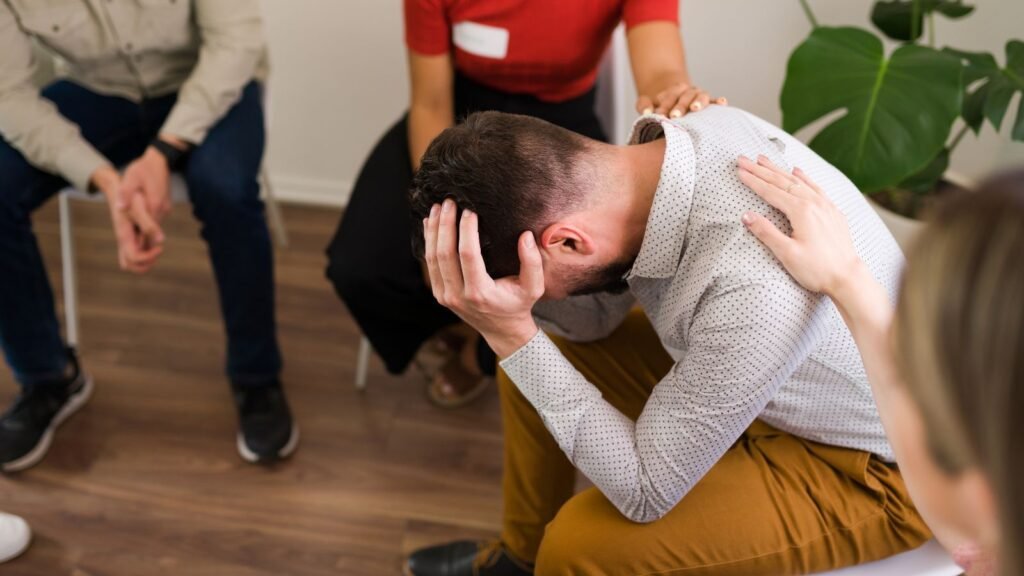
Watching someone you love struggle with addiction is painful. In the beginning, a family may try everything they can think of. They may talk, argue, make promises, give warnings or even try to hide the problem from other people. Sometimes they believe the person will stop on their own. Other times, they simply do not know what to do next. Addiction can affect the whole family, not just the person using drugs or alcohol. It can change relationships, create financial pressure and bring constant worry into the home. Parents may feel helpless, spouses may feel betrayed, and children can become confused by what is happening around them. The difficult truth is that a family cannot recover someone from addiction by love alone. But that does not mean there is nothing they can do. Understanding What the Person May Be Going Through Addiction is not simply a matter of someone making a bad choice. A person may know that their substance use is damaging their health, relationships and future, yet still find it extremely difficult to stop. There may be reasons behind the addiction that the family cannot see immediately. Stress, loneliness, difficult experiences, peer pressure or emotional problems can all play a part. This does not excuse harmful behaviour, but understanding the situation can help a family respond more constructively. Constantly shouting or threatening someone may not bring the change the family is hoping for. Sometimes a calm conversation at the right moment can be much more effective. The First Conversation Can Be Difficult Many families worry about bringing up the subject of addiction because they are afraid of an argument. That fear is understandable. It is usually better to speak when the person is calm and not under the influence of drugs or alcohol. Instead of making accusations, family members can explain what they have noticed and how it is affecting them. Saying, “We are worried about you and we want to help,” can open a very different conversation from saying, “You have ruined everything.” The aim is not to win an argument. The aim is to help the person recognise that there is a problem and that support is available. You Cannot Force Someone to Change Overnight One of the hardest things for families to accept is that recovery takes time. A person may refuse help the first time it is offered. They may say they do not have a problem. They may promise to stop and then return to the same behaviour. This can be extremely frustrating for everyone around them. Families should continue to encourage appropriate professional help, but they also need to protect their own wellbeing. Supporting someone does not mean accepting every harmful behaviour or allowing addiction to control the entire household. Setting Boundaries Is Not the Same as Giving Up Sometimes families are afraid that setting boundaries means they are abandoning their loved one. It does not. Healthy boundaries can actually make a difficult situation clearer. A family might decide that they will not provide money that could be used for drugs or alcohol, or that aggressive behaviour will not be accepted inside the home. These decisions should be communicated calmly and consistently. The purpose is not to punish the person. It is to protect the family while still leaving the door open for genuine help and treatment. Getting Professional Help Can Change the Situation There comes a point when a family may realise that they cannot manage the situation themselves. That is when professional support can become important. A rehabilitation centre or addiction treatment service can assess the person’s circumstances and recommend an appropriate approach. Treatment may involve counselling, structured rehabilitation, family involvement and continued support after the initial programme. Every person’s situation is different, so there is no single treatment that works for everyone. Recovery Does Not End When Treatment Ends Many people think that once someone completes rehabilitation, the problem is finished. In reality, returning to everyday life can bring new challenges. The person may return to the same neighbourhood, meet old friends or face the same stress that existed before treatment. This is why continued support and a stable environment can be so important. Families can help by encouraging positive routines and being aware of situations that may make recovery more difficult. Families Need Support Too There is another side of addiction that is often forgotten: the family also needs care. Living with addiction can be emotionally exhausting. Family members may experience anger, guilt, fear and frustration, sometimes all on the same day. They should not feel ashamed about asking for help themselves. Talking to a qualified professional, trusted support service or counsellor can help family members understand what they can realistically do and where they need to establish boundaries. There Is Still Hope Addiction can make a family feel as though everything has fallen apart. But difficult circumstances do not mean that change is impossible. Recovery may take time. There may be setbacks. Some conversations may not go as planned. But seeking the right support can give a person a genuine opportunity to move towards a healthier and more stable life. If someone in your family is struggling with addiction, you do not have to face the situation alone. Reaching out for appropriate professional support can be the first step towards understanding what to do next. Frequently Asked Questions How do I help a family member who is addicted to drugs? Start by having a calm conversation and expressing concern without immediately blaming or judging them. Encourage them to seek professional help and consider getting support for yourself as well. Can a person recover from addiction? Yes. Recovery is possible, although it can be a long process and different people may need different forms of treatment and ongoing support. Should I give money to someone with an addiction? Giving money can sometimes unintentionally support continued substance use. Families should consider setting clear financial boundaries and seek professional advice about their particular circumstances. What should I do if
Nasha Mukti Kendra: A New Beginning Towards a Life Free from Addiction
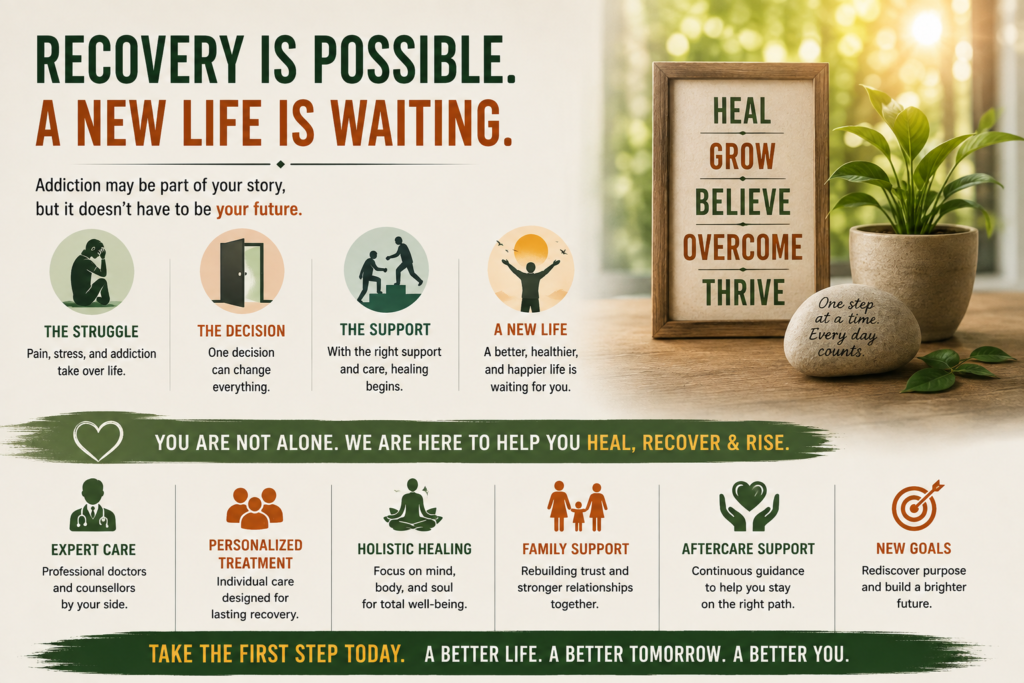
Addiction can affect not only the person struggling with substance use but also their family, relationships, career and overall quality of life. Taking the first step towards recovery may feel difficult, but with the right treatment, professional guidance and family support, a new beginning is possible. A Nasha Mukti Kendra, also known as a de-addiction or rehabilitation centre, provides structured support to help individuals overcome addiction and work towards a healthier, more stable life. What Is a Nasha Mukti Kendra? A Nasha Mukti Kendra is a centre that supports people who are struggling with alcohol, drugs or other forms of substance dependency. Recovery is not simply about stopping substance use. It can also involve understanding the reasons behind addiction, developing healthier habits and preparing for life after treatment. At Sarathi Welfare Trust, the focus is on helping individuals take positive steps towards recovery in a supportive and compassionate environment. Why Is Professional Support Important? Trying to overcome addiction alone can be challenging. Many people experience emotional difficulties, cravings or a return to old habits. Professional support can help individuals follow a structured recovery journey. Depending on individual needs, a rehabilitation programme may include: Every person’s journey is different, which is why recovery support should be tailored to individual circumstances. The Journey of Recovery Starts With One Decision The decision to seek help can change the direction of a person’s life. Recovery does not always happen overnight. It is a journey that requires patience, commitment and the right support. The journey may begin with: 1. Accepting That Help Is Needed Recognising that addiction is affecting health, relationships, work or daily life can be an important first step. 2. Reaching Out for Support Speaking with professionals, counsellors or a trusted rehabilitation centre can help individuals and families understand the available treatment options. 3. Beginning a Structured Recovery Programme A structured environment can help individuals focus on recovery while building healthier routines and coping strategies. 4. Rebuilding Life and Relationships Recovery can also involve repairing relationships, rebuilding confidence and creating new goals for the future. 5. Continuing the Journey After Treatment Recovery is an ongoing process. Continued support, positive routines and a strong support system can play an important role in maintaining long-term progress. How Addiction Affects the Whole Family Addiction rarely affects just one person. Family members may experience stress, worry, financial difficulties and emotional pain. A supportive rehabilitation journey can therefore involve the family as well. Family counselling and guidance may help loved ones better understand addiction, improve communication and learn how to support recovery in a healthy way. Choosing the Right Nasha Mukti Kendra When searching for a Nasha Mukti Kendra near me, it is important to look beyond promises of a quick cure. Recovery is a personal journey, and the right centre should offer a supportive and structured approach. Consider factors such as: Sarathi Welfare Trust: Supporting a New Beginning At Sarathi Welfare Trust, we understand that asking for help can be one of the hardest decisions a person or family may make. Our aim is to provide compassionate support for individuals working towards freedom from addiction and a healthier future. Recovery is not about judging the past. It is about creating the opportunity for a better tomorrow. Whether someone is struggling with alcohol addiction, drug dependency or the emotional challenges connected with substance use, seeking professional support can be the first positive step towards change. Take the First Step Today Today’s struggle does not have to define tomorrow. With the right guidance, determination and support, it is possible to work towards a healthier life, stronger relationships and a more positive future. If you or someone you love is struggling with addiction, reach out to Sarathi Welfare Trust and take the first step towards recovery. A better life. A better tomorrow. A better you.
নেশা থেকে মুক্তি কি শুধুমাত্র বাড়িতে সম্ভব? কখন একটি নেশা মুক্তি কেন্দ্রই সঠিক সিদ্ধান্ত

বর্তমান সময়ে মাদক ও অ্যালকোহলের নেশা শুধু একজন ব্যক্তির নয়, পুরো পরিবারের জীবনে গভীর প্রভাব ফেলে। অনেকেই মনে করেন, ইচ্ছাশক্তি থাকলেই বাড়িতে বসে নেশা ছাড়া সম্ভব। কিন্তু বাস্তবে দীর্ঘদিনের আসক্তি থেকে মুক্তি পাওয়া শুধুমাত্র ইচ্ছাশক্তির উপর নির্ভর করে না। এর জন্য প্রয়োজন সঠিক চিকিৎসা, মানসিক সহায়তা এবং নিয়মিত পর্যবেক্ষণ। সারথি ওয়েলফেয়ার ট্রাস্ট বিশ্বাস করে, নেশা একটি চিকিৎসাযোগ্য সমস্যা। সময়মতো সঠিক পদক্ষেপ নিলে একজন মানুষ আবারও সুস্থ ও স্বাভাবিক জীবনে ফিরে আসতে পারেন। কেন বাড়িতে নেশা ছাড়ার চেষ্টা অনেক সময় সফল হয় না? অনেক পরিবার নিজেরাই প্রিয়জনকে নেশা ছাড়ানোর চেষ্টা করেন। কিন্তু কিছুদিন পর আবার আগের অভ্যাস ফিরে আসে। এর প্রধান কারণগুলো হলো— এই কারণেই পেশাদার চিকিৎসার গুরুত্ব অনেক বেশি। একটি নেশা মুক্তি কেন্দ্রে কী ধরনের চিকিৎসা দেওয়া হয়? নিরাপদ ডিটক্স (Detoxification) দীর্ঘদিন নেশা করার পর হঠাৎ বন্ধ করলে শরীরে নানা ধরনের সমস্যা দেখা দিতে পারে। প্রশিক্ষিত চিকিৎসক ও স্বাস্থ্যকর্মীদের তত্ত্বাবধানে এই সময়টি অনেক বেশি নিরাপদ হয়। মানসিক কাউন্সেলিং বেশিরভাগ ক্ষেত্রেই নেশার পেছনে থাকে— কাউন্সেলিংয়ের মাধ্যমে এই সমস্যাগুলোর মূল কারণ খুঁজে বের করে সমাধানের চেষ্টা করা হয়। ব্যক্তিগত চিকিৎসা পরিকল্পনা প্রত্যেক রোগীর সমস্যা এক নয়। তাই প্রত্যেকের জন্য আলাদা চিকিৎসা পরিকল্পনা তৈরি করা হয়, যাতে দ্রুত ও দীর্ঘস্থায়ী সুস্থতা অর্জন সম্ভব হয়। গ্রুপ থেরাপি একই ধরনের সমস্যায় ভুগছেন এমন মানুষের সঙ্গে অভিজ্ঞতা ভাগ করে নেওয়ার মাধ্যমে রোগীরা নতুন আত্মবিশ্বাস ফিরে পান এবং সুস্থ থাকার অনুপ্রেরণা লাভ করেন। পুনরায় নেশায় ফিরে যাওয়া প্রতিরোধ চিকিৎসা শেষ হওয়ার পরও কীভাবে নিজেকে নিয়ন্ত্রণে রাখতে হবে, কীভাবে নেশার প্রলোভন এড়াতে হবে এবং কীভাবে সুস্থ জীবনযাপন বজায় রাখতে হবে—সেসব বিষয়েও প্রশিক্ষণ দেওয়া হয়। কখন নেশা মুক্তি কেন্দ্রে ভর্তি হওয়া জরুরি? যদি আপনার পরিবারের কোনো সদস্য— তাহলে আর দেরি না করে একজন বিশেষজ্ঞের সঙ্গে যোগাযোগ করা উচিত। পরিবারের ভূমিকা কতটা গুরুত্বপূর্ণ? পরিবারের ভালোবাসা একজন রোগীর সুস্থতার অন্যতম বড় শক্তি। তবে শুধুমাত্র পরিবারের চেষ্টায় সবসময় সফল হওয়া সম্ভব হয় না। যখন পরিবার এবং পেশাদার চিকিৎসা একসঙ্গে কাজ করে, তখন সুস্থ হওয়ার সম্ভাবনা অনেক বেশি বেড়ে যায়। সারথি ওয়েলফেয়ার ট্রাস্টে আমরা কীভাবে সাহায্য করি? আমাদের লক্ষ্য শুধু নেশা বন্ধ করানো নয়, একজন মানুষকে নতুন জীবন ফিরে পেতে সাহায্য করা। আমাদের সেবার মধ্যে রয়েছে— আজই সঠিক সিদ্ধান্ত নিন নেশা কোনো লজ্জার বিষয় নয়। এটি একটি চিকিৎসাযোগ্য সমস্যা। যত দ্রুত চিকিৎসা শুরু হবে, সুস্থ জীবনে ফিরে আসার সম্ভাবনাও তত বেশি। আপনি বা আপনার পরিবারের কেউ যদি মাদক বা অ্যালকোহলের আসক্তিতে ভুগে থাকেন, তাহলে সারথি ওয়েলফেয়ার ট্রাস্ট-এর সঙ্গে যোগাযোগ করুন। আমাদের অভিজ্ঞ টিম আপনাকে সঠিক পরামর্শ ও কার্যকর চিকিৎসার মাধ্যমে একটি নতুন, সুস্থ ও নেশামুক্ত জীবনের পথে এগিয়ে যেতে সাহায্য করবে।
Nasha Mukti Kendra: A New Beginning Towards a Drug-Free Life
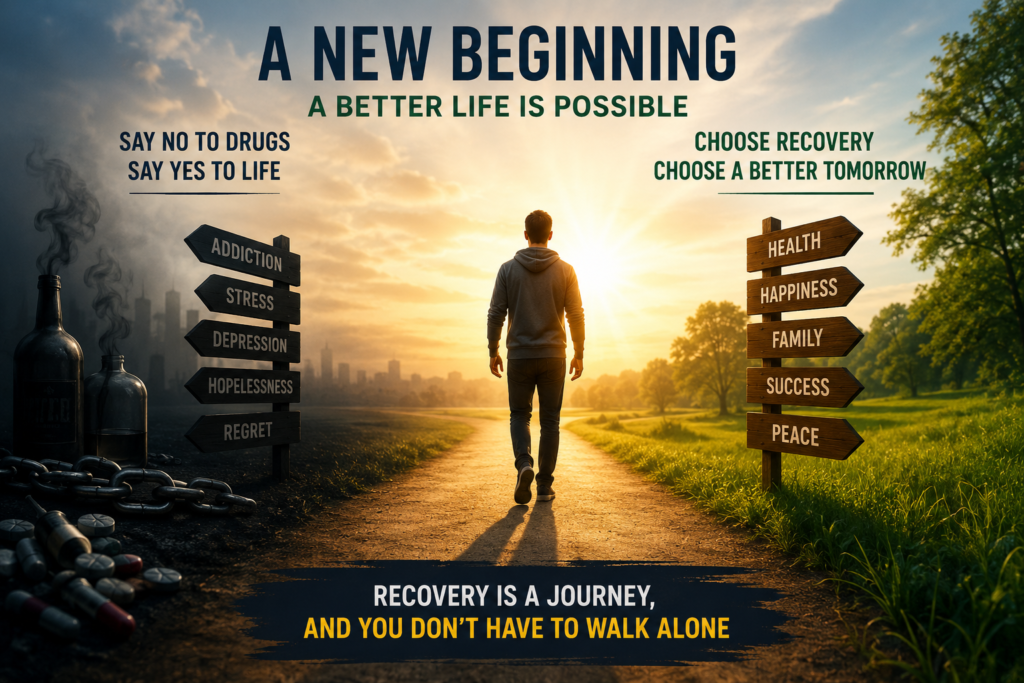
Drug addiction is not just a personal struggle—it affects families, friendships, careers, and entire communities. Every year, thousands of individuals battle substance abuse, often feeling trapped with no way out. The good news is that recovery is possible with the right guidance, professional support, and a strong commitment to change. At Sarathi Welfare Trust, we believe that every individual deserves a second chance. A Nasha Mukti Kendra (De-Addiction Centre) provides a safe and supportive environment where people can break free from addiction and rebuild their lives with dignity and confidence. What is a Nasha Mukti Kendra? A Nasha Mukti Kendra is a rehabilitation and recovery centre that helps individuals overcome addiction to substances such as: These centres offer structured treatment programmes designed to help people recover both physically and mentally. Signs That Someone May Need Professional Help Recognising addiction early can prevent long-term health and social consequences. Some common warning signs include: If you notice these symptoms in yourself or a loved one, seeking help from a professional rehabilitation centre can make a significant difference. Why Professional Rehabilitation is Important Many people believe they can quit addiction on their own. While determination is important, addiction often changes brain chemistry, making it extremely difficult without professional support. A Nasha Mukti Kendra offers: Medical Supervision Qualified healthcare professionals monitor withdrawal symptoms and ensure the recovery process is as safe and comfortable as possible. Psychological Counselling Addiction often stems from stress, trauma, anxiety, or depression. Counselling helps individuals identify these underlying causes and develop healthier coping strategies. Group Therapy Meeting others facing similar challenges provides motivation, encouragement, and emotional support throughout the recovery journey. Family Support Recovery is more successful when families are involved. Many centres provide family counselling to rebuild trust and strengthen relationships. Relapse Prevention Patients learn practical techniques to manage cravings, avoid triggers, and maintain long-term sobriety. Benefits of Overcoming Addiction Choosing recovery opens the door to a healthier and more fulfilling life. Some of the biggest benefits include: Recovery doesn’t just change one life—it positively impacts everyone around that individual. How Families Can Help Family members play a vital role in the recovery process. Here are a few ways to support someone battling addiction: Compassion and understanding can make a significant difference during recovery. Prevention is Better Than Cure The best way to combat addiction is through awareness and education. Communities, schools, parents, and organisations must work together to educate young people about the harmful effects of drugs and alcohol. Simple preventive measures include: Creating awareness today can save countless lives tomorrow. Sarathi Welfare Trust’s Commitment At Sarathi Welfare Trust, we are committed to creating a healthier and addiction-free society. Through awareness campaigns, counselling support, community outreach, and rehabilitation initiatives, we strive to help individuals regain control of their lives and inspire hope for a brighter future. We believe that addiction is not the end of the road—it is a challenge that can be overcome with the right support, care, and determination. If you or someone you know is struggling with substance abuse, don’t wait. Seeking help today can be the first step towards a healthier, happier, and addiction-free tomorrow. Final Call A Nasha Mukti Kendra is more than just a rehabilitation centre—it is a place where lives are rebuilt, confidence is restored, and hope is renewed. Recovery is a journey, and every journey begins with a single step. Together, let us spread awareness, support those in need, and work towards building a drug-free India.