Picture a bright student slowly losing control over everyday choices. Friends notice mood swings, secrecy, and sudden isolation. Family suspects bad company, not brain changes. Addiction quietly rewires motivation, decision-making, and emotional balance. Science reveals surprising truths that many people never hear. Drug addiction treatment becomes essential when willpower alone repeatedly fails.
Understanding brain changes replaces blame with empathy and medical care. Knowledge helps families respond with support instead of anger. Awareness encourages early drug addiction treatment before damage deepens. Clear facts empower communities to prevent suffering and promote timely healing.
What Is Drug Addiction?
Drug addiction is a chronic medical condition affecting brain function and behavior. It goes beyond weak discipline or poor moral choices. Doctors classify addiction as a treatable health disorder.
Casual use differs greatly from misuse and harmful patterns. Misuse means using substances in risky or unhealthy ways. Dependence develops when the body adapts to the substance and needs it.
Addiction appears when cravings overpower control and disrupt daily responsibilities. Brain chemistry changes make quitting extremely difficult without help.
The World Health Organization defines addiction as a chronic relapsing disorder. The National Institute on Drug Abuse highlights compulsive use despite harmful consequences. Both emphasize medical care and structured drug addiction treatment in Kolkata for recovery. Professional care improves safety, stability, and long-term healing outcomes.
Meet the Brain’s Reward System
Human brains function like powerful motivation machines, guiding survival and daily behavior. Pleasure signals encourage the repetition of helpful activities, such as eating nutritious food. Positive social moments also activate internal reward pathways. A chemical messenger called dopamine drives this reinforcement system.
Dopamine creates feelings of pleasure, satisfaction, and motivation. Healthy activities release balanced amounts of dopamine, which reinforce beneficial habits. Achievements, laughter, exercise, and music naturally stimulate this system. Brain circuits then record memories that link actions to positive feelings.
These pathways help humans learn routines supporting survival and success. Imagine a simple diagram showing signals traveling between brain regions. Drug addiction treatment aims to restore balance within these natural reward circuits.
How Drugs Hijack the Brain
a) Flood of Dopamine
Addictive substances release dopamine far beyond natural pleasure levels. The brain experiences an intense surge of artificial reward.
Such surges strongly reinforce substance use behavior. Memory systems tag drugs as highly valuable experiences. Motivation pathways then prioritize drugs over healthy activities.
b) Rewiring of Brain Circuits
Repeated exposure reshapes neural connections controlling habits and decision-making. Behavior gradually shifts from voluntary choices to automatic routines. Brain wiring begins to favor substance-seeking actions repeatedly.
Survival systems mistakenly treat drugs like essential biological needs. Stress triggers powerful urges through these reinforced neural loops.
c) Tolerance Develops
Brain cells reduce sensitivity to overwhelming dopamine signals. Previous amounts no longer create the same pleasurable effect. Users increase their doses in an attempt to regain earlier feelings.
Higher consumption accelerates physical and psychological dependence. This cycle deepens damage to motivation and self-control systems. Timely drug addiction treatment interrupts these harmful neurological adaptations safely.
Changes in Key Brain Areas
Addiction alters important regions responsible for judgment, memory, and emotions.
Decision-Making Center
The Prefrontal Cortex weakens, reducing impulse control and logical thinking. Poor judgment increases the likelihood of risky behaviors and harmful choices.
Memory and Learning Center
The Hippocampus stores strong memories linked to substance experiences. Environmental cues easily trigger intense cravings and relapse risk.
Emotion and Fear Center
The Amygdala becomes overactive, heightening anxiety and emotional instability. Stress responses intensify, making daily challenges harder to manage. Comprehensive drug addiction treatment focuses on restoring healthier brain functioning.
Why Quitting Feels So Hard
Addicted brains interpret cravings as urgent survival signals. Strong urges overpower rational thinking during vulnerable moments. Withdrawal symptoms create physical discomfort and emotional distress.
Common symptoms include restlessness, nausea, sweating, and mood swings. Brain chemistry struggles to stabilize without the substance. Healing requires time, patience, and structured medical supervision.
Experts compare recovery to correcting a rewired behavioral autopilot. Old pathways push harmful habits automatically. New healthy circuits require repetition and supportive environments. Professional drug addiction treatment eases withdrawal and prevents dangerous complications.
Can the Brain Recover?
Brains possess a remarkable ability to heal through neuroplasticity. Neuroplasticity allows neural circuits to reorganize and strengthen. Healthy behaviors gradually rebuild damaged reward and control pathways. Medical care accelerates stabilization of brain chemistry and emotional balance.
Counseling helps patients develop healthier coping mechanisms. Lifestyle improvements significantly strengthen long-term recovery outcomes. Regular exercise improves mood and cognitive functioning. Nutritious diets support neurotransmitter production and overall brain health. Quality sleep restores mental clarity and emotional regulation.
Organizations like the Substance Abuse and Mental Health Services Administration provide recovery resources. Structured programs and drug addiction treatment offer realistic hope for lasting recovery.
Myths vs Facts About Addiction
Many misunderstandings prevent people from seeking timely medical help.
Myth: Addiction results from personal choice and weak character.
Fact: Brain chemistry changes reduce self-control and decision-making capacity.
Myth: Strong willpower alone can permanently stop substance use.
Fact: Professional care greatly improves recovery success rates.
Addiction alters the motivational systems that control behavior patterns. Judgment impairment makes quitting without support extremely challenging. Shame and stigma discourage individuals from pursuing proper care.
Scientific awareness encourages empathy and supportive community responses. Early drug addiction treatment in Kolkata reduces long-term neurological damage significantly.
How Treatment Helps the Brain Heal
Professional therapy retrains harmful thinking and behavioral patterns. Cognitive techniques strengthen emotional regulation and stress management skills. Medications stabilize neurotransmitters disrupted by prolonged substance exposure. Medical supervision ensures safe withdrawal and relapse prevention.
Support groups create accountability and shared motivation for recovery. Peer discussions reduce feelings of isolation and hopelessness. Holistic care addresses physical, emotional, and psychological well-being together. Exercise improves dopamine regulation and cognitive performance.
Balanced nutrition restores energy levels and brain functioning. Consistent sleep schedules enhance mood stability and concentration. Integrated drug addiction treatment programs rebuild healthier neural pathways effectively.
Science clearly shows addiction reshapes brain structure and behavior patterns. Compassion must replace blame when supporting affected individuals. Medical understanding encourages early intervention and supportive family involvement. Timely drug addiction treatment prevents severe psychological and physical harm.
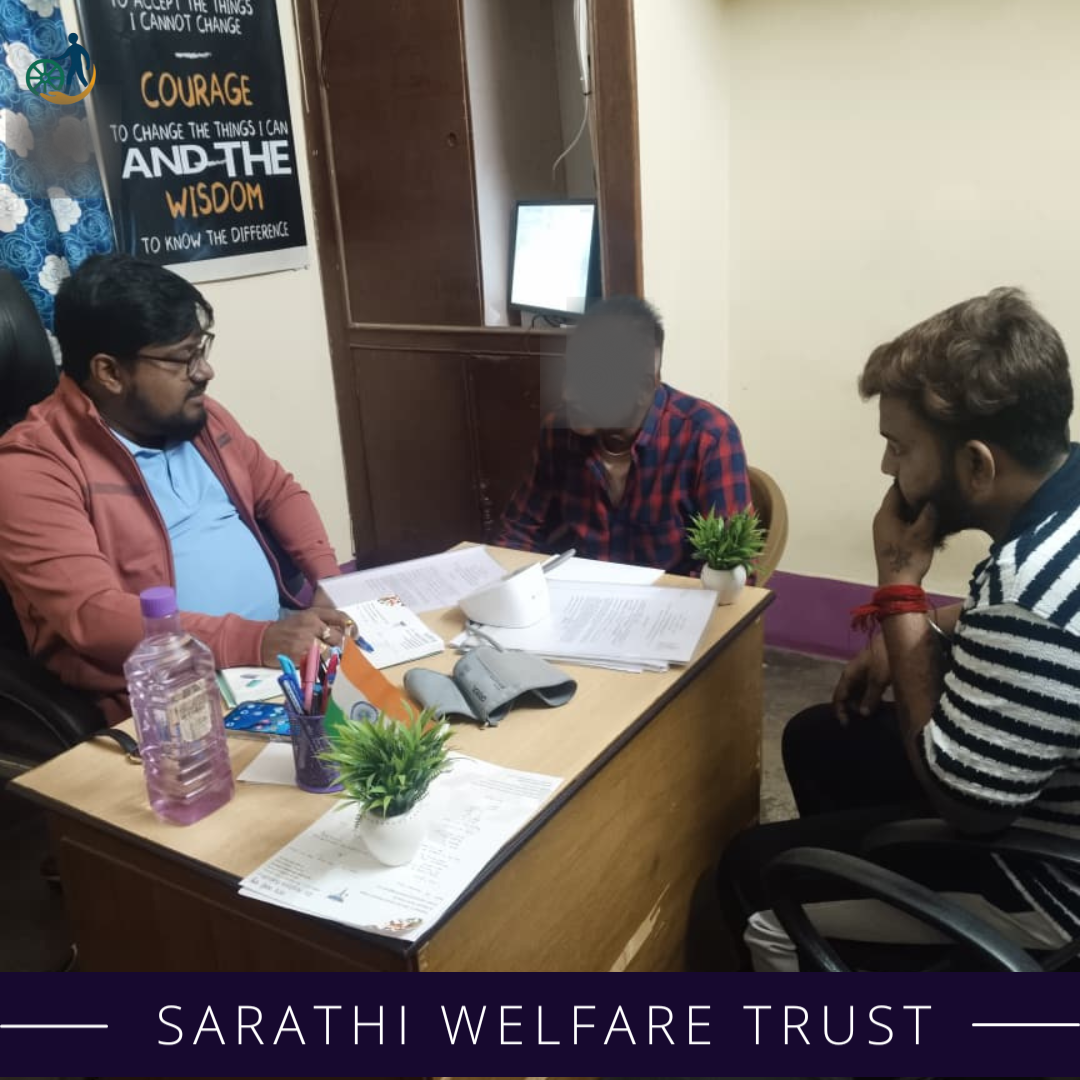
Recovery journeys differ but remain achievable with proper guidance. Trusted organizations like Sarathi Welfare Trust provide compassionate rehabilitation support. Professional care restores hope, stability, and purposeful living. Seeking help demonstrates courage and commitment to personal healing. Every recovery story proves change remains possible with science-based support.