Watching someone you love struggle with addiction can be heartbreaking. Whether it is alcohol, drugs, prescription medication, or another substance, families often feel helpless and frustrated. Many people believe that forcing someone into a rehabilitation centre is the only solution. However, recovery is often more successful when the individual chooses to seek help willingly.
At Sarathi Welfare Trust, we believe that compassion, patience, and professional guidance play a significant role in helping people begin their recovery journey.
Understanding Addiction
Addiction is not simply a lack of willpower. It is a medical and psychological condition that affects the brain, emotions, and behaviour. People living with addiction may continue using substances despite knowing the damage it causes to their health, relationships, and career.
Recognising addiction as an illness instead of a personal failure helps families respond with empathy rather than anger.
Signs That Someone May Need Help
If your loved one shows several of these signs, it may be time to seek professional advice:
- Sudden mood swings
- Loss of interest in hobbies
- Financial problems without explanation
- Poor personal hygiene
- Secretive behaviour
- Frequent lying
- Missing work or school
- Changes in sleeping or eating habits
Early intervention often leads to better recovery outcomes.
Avoid Arguments and Blame
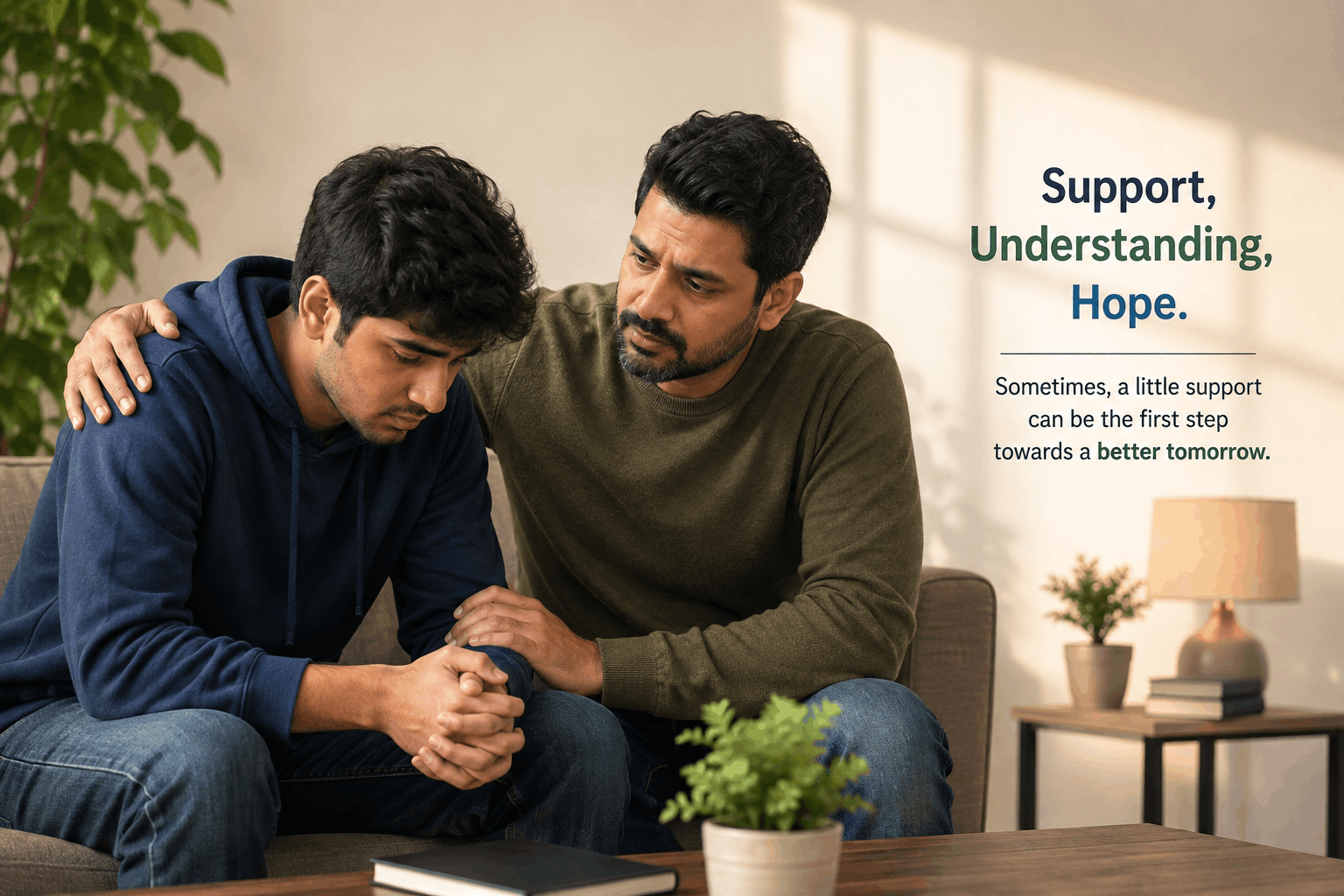
Constant criticism, shouting, or blaming rarely encourages someone to stop using substances. Instead, it may push them further into isolation.
Choose a calm moment to talk. Let them know you are concerned because you care about their health and future.
For example:
“I’m worried because I’ve noticed you’ve been struggling lately. I want to support you whenever you’re ready.”
Simple conversations like this can make a difference.
Encourage Professional Help
Instead of demanding rehabilitation immediately, suggest speaking with a counsellor, psychologist, or addiction specialist first.
Professional counselling can help individuals understand:
- Why they became addicted
- How addiction affects their life
- What treatment options are available
- Whether rehabilitation is necessary
Many people become more open to treatment after receiving professional guidance.
Set Healthy Boundaries
Supporting someone does not mean enabling their addiction.
Healthy boundaries include:
- Not giving money for substances
- Refusing to lie on their behalf
- Protecting yourself and other family members
- Encouraging responsibility
Boundaries show care while preventing addiction from controlling the entire family.
Learn About Rehabilitation
Many people fear rehabilitation because they believe it is like punishment.
In reality, modern rehabilitation centres provide:
- Medical supervision
- Individual counselling
- Group therapy
- Mental health support
- Relapse prevention strategies
- Family counselling
- Lifestyle improvement programmes
The goal is to help individuals rebuild their lives safely and confidently.
Support Recovery After Treatment
Recovery does not end after leaving a rehabilitation centre.
Families can help by:
- Encouraging healthy routines
- Celebrating small achievements
- Avoiding triggers
- Attending family counselling
- Remaining patient during setbacks
Recovery is a journey, not a single event.
When Immediate Action Is Needed
Sometimes addiction becomes dangerous. Seek urgent professional help if someone:
- Overdoses
- Becomes violent
- Threatens self-harm
- Experiences severe withdrawal symptoms
- Loses consciousness
In these situations, immediate medical attention is essential.
Why Families Matter
Research consistently shows that family support significantly improves long-term recovery. A caring environment, combined with professional treatment, gives individuals a stronger chance of overcoming addiction and rebuilding their lives.
Sarathi Welfare Trust – Supporting Recovery with Compassion
At Sarathi Welfare Trust, we understand that every recovery journey is unique. Our experienced team provides guidance, counselling, and rehabilitation support tailored to each individual’s needs. We work closely with families to create a safe, supportive environment that encourages lasting recovery and a healthier future.
If someone you love is struggling with addiction, remember that hope is always possible—and asking for help is the first step.