Hope flickers when science meets compassion in addiction recovery. Stories of struggle often hide powerful biology and brain chemistry. Addiction behaves like an illness, not a failure of character. Shame fades when medical facts replace myths and blame. Families suffer silently, unsure where to seek trusted help. The right support systems transform fear into structured healing journeys.
Modern research reveals predictable patterns behind cravings and relapse. Treatment works best inside a professional rehab centre environment. Sarathi Welfare Trust follows evidence-based methods with humane care.
Readers will explore brain science, risk factors, treatments, and recovery strategies here.
What Is Addiction?
Medical professionals classify addiction as Substance Use Disorder, a chronic brain condition. Condition disrupts control over substance use despite harmful consequences. Physical dependence occurs when the body adapts and demands the substance. Psychological addiction involves emotional reliance and compulsive behavioral patterns.
Brain chemistry changes reduce impulse control and rational thinking ability. Reward circuits begin prioritizing substances over relationships, work, and health. Decision-making weakens as cravings overpower long-term judgment.
Individuals may recognize harm yet feel unable to stop alone. Structured therapy and monitoring at a rehab centre in Kolkata significantly improve recovery outcomes.
The Brain Science of Addiction
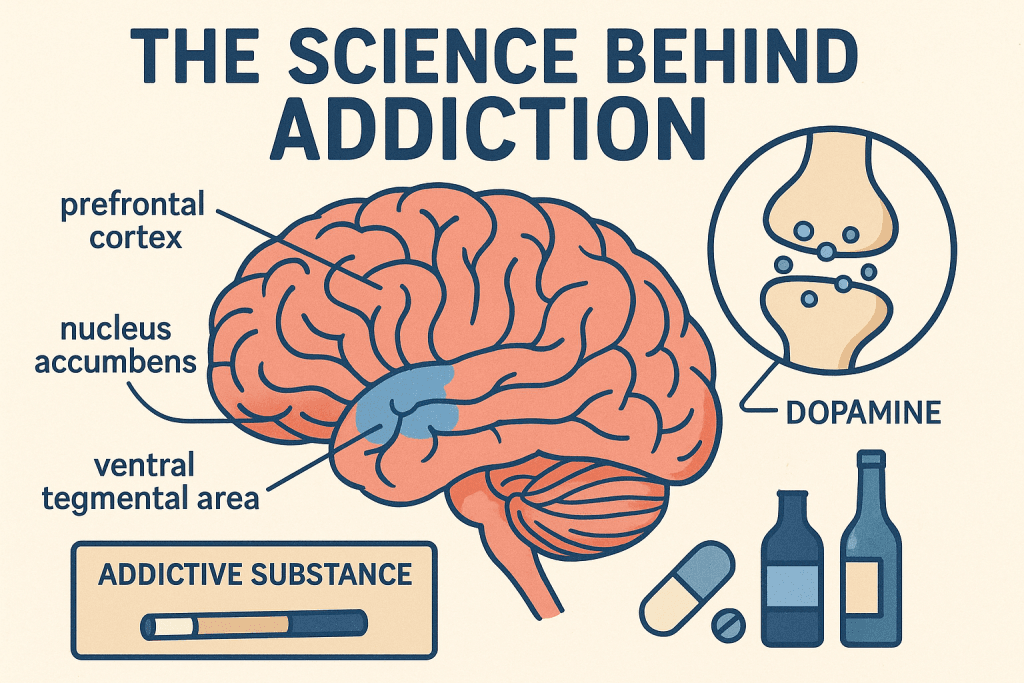
Brain function changes dramatically during prolonged substance exposure. The reward system releases dopamine, creating pleasure and reinforcing survival behaviors. Addictive substances flood dopamine pathways far beyond natural stimulation levels.
The brain starts associating substances with relief, motivation, and emotional comfort. The prefrontal cortex weakens, reducing judgment, planning, and impulse control. Amygdala becomes hypersensitive, intensifying stress, fear, and emotional reactions. The hippocampus stores powerful memories that link environments to substance experiences.
Tolerance develops as the brain reduces sensitivity to repeated chemical surges. Higher quantities become necessary to achieve earlier pleasurable effects. Dependence forms when the brain adapts and functions poorly without substances. Withdrawal symptoms appear as the nervous system struggles to regain balance.
Causes and Risk Factors
Genetic makeup influences vulnerability to addictive behaviors across generations. Family history increases susceptibility through inherited neurochemical response patterns. Environmental exposure strongly shapes behavioral and emotional coping mechanisms.
Childhood trauma often alters stress hormones and emotional regulation capacity. Peer groups can normalize risky experimentation and frequent substance use. Easy availability increases impulsive consumption and the likelihood of repeated behavioral reinforcement.
Mental health disorders commonly coexist with addiction in complex cycles. Depression, anxiety, and PTSD intensify emotional discomfort and distress. Individuals may self-medicate symptoms without recognizing long-term neurological harm. Early screening and professional guidance at a rehab centre reduce compounded risks.
The Recovery Process: What Happens in the Brain
Brain recovery begins once substance use stops and stability improves. Neuroplasticity allows neural pathways to reorganize and regain functional balance. Healthy routines strengthen circuits responsible for motivation and emotional control. Cognitive clarity gradually improves over weeks and months of abstinence.
Emotional regulation stabilizes as stress hormones return to manageable levels. Withdrawal triggers physical discomfort, anxiety, irritability, and sleep disturbances. Medical supervision ensures safety during detoxification and symptom management.
Cravings emerge from conditioned memory circuits and environmental trigger exposure. Stress activates pathways previously linked to substance relief experiences. Structured therapy at a rehab centre teaches coping responses and relapse prevention.
Evidence-Based Treatment Approaches
Behavioral therapies reshape thinking patterns and emotional response systems. Cognitive Behavioral Therapy helps patients identify and replace harmful thought cycles. Dialectical Behavior Therapy strengthens emotional regulation and distress tolerance skills. Motivational Interviewing builds internal commitment toward sustainable lifestyle changes.
Medication-Assisted Treatment reduces withdrawal severity and persistent craving intensity. Methadone stabilizes opioid receptors and prevents extreme physiological reactions. Buprenorphine partially activates receptors, reducing the risk of misuse and discomfort. Naltrexone blocks euphoric effects, discouraging repeated substance consumption.
Holistic therapies complement medical treatment and improve overall well-being. Mindfulness practices reduce stress and improve present-moment awareness. Exercise restores natural dopamine balance and enhances mood stability. Comprehensive programs inside a rehab centre integrate therapy, medication, and lifestyle rebuilding.
The Role of Rehabilitation Programs
Rehabilitation programs provide structured environments designed for focused recovery. Inpatient rehabilitation removes individuals from triggers and harmful surroundings. Patients receive continuous medical supervision and psychological care. Daily schedules promote discipline, therapy participation, and healthy habit formation. Outpatient programs offer flexibility for work, education, and family responsibilities.
Regular counseling sessions ensure continued accountability and progress tracking. Community recovery groups strengthen emotional resilience through shared experiences. Peer discussions reduce isolation and normalize recovery struggles. Group accountability encourages consistency and responsible decision-making habits.
Alcoholics Anonymous supports sobriety through structured steps and sponsorship systems. Narcotics Anonymous offers community-based healing for substance dependence challenges. SMART Recovery emphasizes scientific self-management and cognitive skill development.
Sarathi Welfare Trust is a reliable rehab centre in Kolkata with compassionate professionals and evidence-based care. It encourages long-term lifestyle rebuilding beyond detoxification phases.
Technology and Innovation in Addiction Treatment
Technology transforms accessibility and personalization in modern recovery programs. Telehealth counseling connects patients with specialists regardless of geographic limitations. Mobile recovery applications track habits, moods, triggers, and therapy goals. Wearable devices monitor heart rate variability and physiological stress signals.
Real-time alerts help individuals manage emotional spikes proactively. Artificial intelligence analyzes behavioral patterns and predicts potential relapse risks. Digital tools complement structured therapy provided inside a rehab centre setting.
Challenges in Recovery
Recovery journeys often include setbacks that require patience and resilience. Relapse does not signal failure but indicates treatment adjustment needs. Social stigma prevents many individuals from seeking timely professional help. Discrimination affects employment opportunities and confidence in community reintegration.
Limited access to quality treatment delays early intervention efforts. Financial burdens and family responsibilities complicate long-term therapy commitments. Supportive environments and guidance from a rehab centre reduce these recovery barriers.
Preventing Relapse: What Science Recommends
Relapse prevention begins with identifying personal, emotional, and environmental triggers. Patients learn coping mechanisms to manage stress without harmful behaviors. Structured routines reduce impulsive decisions and promote mental stability. Healthy sleep cycles improve emotional regulation and cognitive clarity.
Regular exercise strengthens mood balance and reduces anxiety symptoms. Long-term therapy reinforces behavioral strategies and accountability systems. Ongoing monitoring ensures early intervention when warning signs reappear.
The Future of Addiction Science
Neuroscience continues to uncover detailed mechanisms behind craving and behavioral control. Advanced imaging reveals real-time brain activity during recovery stages. Personalized treatment plans adapt to genetic, psychological, and social profiles. Precision medicine improves medication effectiveness with reduced adverse reactions.
Researchers study psychedelic-assisted therapies for trauma-linked substance dependence. Innovative compounds may safely reset harmful neural pathways. Genetic mapping could enable early risk detection and preventive interventions.
Addiction recovery becomes achievable with structured guidance and scientific treatment approaches. Chronic conditions require consistent care, similar to that for diabetes or hypertension. Supportive families and professionals create strong foundations for sustainable healing. Early intervention prevents severe psychological, social, and physical consequences.
Sarathi Welfare Trust delivers compassionate programs tailored to individual recovery needs. Professional care inside a rehab centre improves safety, accountability, and long-term outcomes. Hope grows when evidence-based treatment replaces fear and misinformation. Seeking professional help early can transform lives and restore healthy futures.