
Alcohol Rehabilitation Centre in Hooghly – A Path to Recovery with Sarathi Welfare Trust
Alcohol Rehabilitation Centre in Hooghly Alcohol addiction is a growing concern across India, and Hooghly is no exception. While alcohol consumption often begins as a social activity, for many it gradually becomes a dependency that affects health, relationships, and livelihoods. Families struggle, communities suffer, and individuals lose their sense of purpose. Recognising this urgent need, Sarathi Welfare Trust has established a dedicated Alcohol Rehabilitation Centre in Hooghly—a place where recovery is not just about quitting alcohol, but about rediscovering dignity, hope, and a meaningful life. Understanding the Challenge of Alcohol Addiction Alcohol dependency is not simply a matter of willpower. It is a complex condition influenced by psychological, social, and biological factors. In Hooghly, where community ties are strong, addiction often impacts entire families. The stigma surrounding rehabilitation can prevent individuals from seeking help, making the problem worse. Sarathi Welfare Trust aims to break this cycle by offering a safe, supportive environment where people can confront their struggles without judgement. What Makes Sarathi Welfare Trust Different? Many rehabilitation centres follow a one-size-fits-all approach, but Sarathi Welfare Trust believes recovery must be personalised. Every individual’s journey is unique, and treatment plans are designed accordingly. Community-Centred Recovery in Hooghly Sarathi Welfare Trust understands that recovery does not end with detox. Reintegration into society is equally important. The centre’s programmes are designed to help individuals reconnect with their communities, rebuild relationships, and regain confidence. Hooghly, with its rich cultural heritage and strong social fabric, provides the perfect backdrop for community-based healing. By involving local networks, Sarathi ensures that patients are not isolated but supported by a wider circle of care. Stories of Transformation Over the years, Sarathi Welfare Trust has witnessed countless success stories. Individuals who once felt trapped by addiction have gone on to rebuild careers, restore family bonds, and contribute positively to society. One patient, after completing the programme, found employment in a local business and now mentors others struggling with addiction. Another reunited with his family after years of estrangement, proving that recovery is not just about abstinence but about reclaiming life. These stories highlight the centre’s commitment to long-term recovery rather than short-term fixes. Breaking the Stigma One of the biggest challenges in addressing alcohol addiction is the stigma attached to rehabilitation. Many hesitate to seek help, fearing judgement from society. Sarathi Welfare Trust actively works to change this perception by promoting awareness campaigns in Hooghly. Through workshops, community meetings, and outreach programmes, the organisation spreads the message that seeking help is not a weakness—it is a courageous step towards healing. Why Hooghly Needs Centres Like Sarathi Hooghly is a district with a vibrant community, but like many parts of India, it faces the growing challenge of substance abuse. With limited awareness and resources, families often struggle to cope. A dedicated rehabilitation centre like Sarathi provides not only treatment but also education, prevention, and community support. By addressing addiction at its roots, the centre contributes to building a healthier, more resilient Hooghly. Key Takeaway Alcohol addiction can feel overwhelming, but recovery is possible with the right support system. The Alcohol Rehabilitation Centre in Hooghly, run by Sarathi Welfare Trust, is more than a medical facility—it is a sanctuary of hope. With personalised care, holistic healing, and strong community involvement, Sarathi empowers individuals to break free from addiction and rebuild their lives. For those struggling with alcohol dependency or families seeking guidance, Sarathi Welfare Trust stands as a beacon of compassion and strength in Hooghly. Recovery begins with a single step, and Sarathi is here to walk that journey alongside you.
When Someone You Love Is Struggling With Addiction: What Can a Family Really Do?

Watching someone you love struggle with addiction is painful. In the beginning, a family may try everything they can think of. They may talk, argue, make promises, give warnings or even try to hide the problem from other people. Sometimes they believe the person will stop on their own. Other times, they simply do not know what to do next. Addiction can affect the whole family, not just the person using drugs or alcohol. It can change relationships, create financial pressure and bring constant worry into the home. Parents may feel helpless, spouses may feel betrayed, and children can become confused by what is happening around them. The difficult truth is that a family cannot recover someone from addiction by love alone. But that does not mean there is nothing they can do. Understanding What the Person May Be Going Through Addiction is not simply a matter of someone making a bad choice. A person may know that their substance use is damaging their health, relationships and future, yet still find it extremely difficult to stop. There may be reasons behind the addiction that the family cannot see immediately. Stress, loneliness, difficult experiences, peer pressure or emotional problems can all play a part. This does not excuse harmful behaviour, but understanding the situation can help a family respond more constructively. Constantly shouting or threatening someone may not bring the change the family is hoping for. Sometimes a calm conversation at the right moment can be much more effective. The First Conversation Can Be Difficult Many families worry about bringing up the subject of addiction because they are afraid of an argument. That fear is understandable. It is usually better to speak when the person is calm and not under the influence of drugs or alcohol. Instead of making accusations, family members can explain what they have noticed and how it is affecting them. Saying, “We are worried about you and we want to help,” can open a very different conversation from saying, “You have ruined everything.” The aim is not to win an argument. The aim is to help the person recognise that there is a problem and that support is available. You Cannot Force Someone to Change Overnight One of the hardest things for families to accept is that recovery takes time. A person may refuse help the first time it is offered. They may say they do not have a problem. They may promise to stop and then return to the same behaviour. This can be extremely frustrating for everyone around them. Families should continue to encourage appropriate professional help, but they also need to protect their own wellbeing. Supporting someone does not mean accepting every harmful behaviour or allowing addiction to control the entire household. Setting Boundaries Is Not the Same as Giving Up Sometimes families are afraid that setting boundaries means they are abandoning their loved one. It does not. Healthy boundaries can actually make a difficult situation clearer. A family might decide that they will not provide money that could be used for drugs or alcohol, or that aggressive behaviour will not be accepted inside the home. These decisions should be communicated calmly and consistently. The purpose is not to punish the person. It is to protect the family while still leaving the door open for genuine help and treatment. Getting Professional Help Can Change the Situation There comes a point when a family may realise that they cannot manage the situation themselves. That is when professional support can become important. A rehabilitation centre or addiction treatment service can assess the person’s circumstances and recommend an appropriate approach. Treatment may involve counselling, structured rehabilitation, family involvement and continued support after the initial programme. Every person’s situation is different, so there is no single treatment that works for everyone. Recovery Does Not End When Treatment Ends Many people think that once someone completes rehabilitation, the problem is finished. In reality, returning to everyday life can bring new challenges. The person may return to the same neighbourhood, meet old friends or face the same stress that existed before treatment. This is why continued support and a stable environment can be so important. Families can help by encouraging positive routines and being aware of situations that may make recovery more difficult. Families Need Support Too There is another side of addiction that is often forgotten: the family also needs care. Living with addiction can be emotionally exhausting. Family members may experience anger, guilt, fear and frustration, sometimes all on the same day. They should not feel ashamed about asking for help themselves. Talking to a qualified professional, trusted support service or counsellor can help family members understand what they can realistically do and where they need to establish boundaries. There Is Still Hope Addiction can make a family feel as though everything has fallen apart. But difficult circumstances do not mean that change is impossible. Recovery may take time. There may be setbacks. Some conversations may not go as planned. But seeking the right support can give a person a genuine opportunity to move towards a healthier and more stable life. If someone in your family is struggling with addiction, you do not have to face the situation alone. Reaching out for appropriate professional support can be the first step towards understanding what to do next. Frequently Asked Questions How do I help a family member who is addicted to drugs? Start by having a calm conversation and expressing concern without immediately blaming or judging them. Encourage them to seek professional help and consider getting support for yourself as well. Can a person recover from addiction? Yes. Recovery is possible, although it can be a long process and different people may need different forms of treatment and ongoing support. Should I give money to someone with an addiction? Giving money can sometimes unintentionally support continued substance use. Families should consider setting clear financial boundaries and seek professional advice about their particular circumstances. What should I do if
How to Help Someone with Addiction Without Forcing Them into Rehab
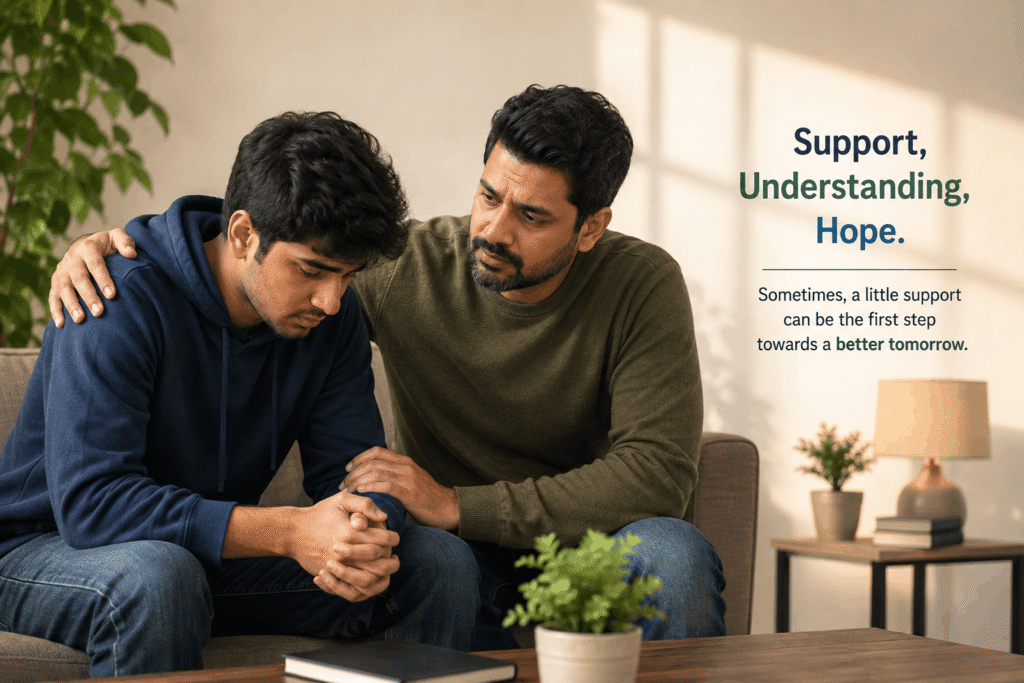
Watching someone you love struggle with addiction can be heartbreaking. Whether it is alcohol, drugs, prescription medication, or another substance, families often feel helpless and frustrated. Many people believe that forcing someone into a rehabilitation centre is the only solution. However, recovery is often more successful when the individual chooses to seek help willingly. At Sarathi Welfare Trust, we believe that compassion, patience, and professional guidance play a significant role in helping people begin their recovery journey. Understanding Addiction Addiction is not simply a lack of willpower. It is a medical and psychological condition that affects the brain, emotions, and behaviour. People living with addiction may continue using substances despite knowing the damage it causes to their health, relationships, and career. Recognising addiction as an illness instead of a personal failure helps families respond with empathy rather than anger. Signs That Someone May Need Help If your loved one shows several of these signs, it may be time to seek professional advice: Early intervention often leads to better recovery outcomes. Avoid Arguments and Blame Constant criticism, shouting, or blaming rarely encourages someone to stop using substances. Instead, it may push them further into isolation. Choose a calm moment to talk. Let them know you are concerned because you care about their health and future. For example: “I’m worried because I’ve noticed you’ve been struggling lately. I want to support you whenever you’re ready.” Simple conversations like this can make a difference. Encourage Professional Help Instead of demanding rehabilitation immediately, suggest speaking with a counsellor, psychologist, or addiction specialist first. Professional counselling can help individuals understand: Many people become more open to treatment after receiving professional guidance. Set Healthy Boundaries Supporting someone does not mean enabling their addiction. Healthy boundaries include: Boundaries show care while preventing addiction from controlling the entire family. Learn About Rehabilitation Many people fear rehabilitation because they believe it is like punishment. In reality, modern rehabilitation centres provide: The goal is to help individuals rebuild their lives safely and confidently. Support Recovery After Treatment Recovery does not end after leaving a rehabilitation centre. Families can help by: Recovery is a journey, not a single event. When Immediate Action Is Needed Sometimes addiction becomes dangerous. Seek urgent professional help if someone: In these situations, immediate medical attention is essential. Why Families Matter Research consistently shows that family support significantly improves long-term recovery. A caring environment, combined with professional treatment, gives individuals a stronger chance of overcoming addiction and rebuilding their lives. Sarathi Welfare Trust – Supporting Recovery with Compassion At Sarathi Welfare Trust, we understand that every recovery journey is unique. Our experienced team provides guidance, counselling, and rehabilitation support tailored to each individual’s needs. We work closely with families to create a safe, supportive environment that encourages lasting recovery and a healthier future. If someone you love is struggling with addiction, remember that hope is always possible—and asking for help is the first step.
নেশা থেকে মুক্তি কি শুধুমাত্র বাড়িতে সম্ভব? কখন একটি নেশা মুক্তি কেন্দ্রই সঠিক সিদ্ধান্ত

বর্তমান সময়ে মাদক ও অ্যালকোহলের নেশা শুধু একজন ব্যক্তির নয়, পুরো পরিবারের জীবনে গভীর প্রভাব ফেলে। অনেকেই মনে করেন, ইচ্ছাশক্তি থাকলেই বাড়িতে বসে নেশা ছাড়া সম্ভব। কিন্তু বাস্তবে দীর্ঘদিনের আসক্তি থেকে মুক্তি পাওয়া শুধুমাত্র ইচ্ছাশক্তির উপর নির্ভর করে না। এর জন্য প্রয়োজন সঠিক চিকিৎসা, মানসিক সহায়তা এবং নিয়মিত পর্যবেক্ষণ। সারথি ওয়েলফেয়ার ট্রাস্ট বিশ্বাস করে, নেশা একটি চিকিৎসাযোগ্য সমস্যা। সময়মতো সঠিক পদক্ষেপ নিলে একজন মানুষ আবারও সুস্থ ও স্বাভাবিক জীবনে ফিরে আসতে পারেন। কেন বাড়িতে নেশা ছাড়ার চেষ্টা অনেক সময় সফল হয় না? অনেক পরিবার নিজেরাই প্রিয়জনকে নেশা ছাড়ানোর চেষ্টা করেন। কিন্তু কিছুদিন পর আবার আগের অভ্যাস ফিরে আসে। এর প্রধান কারণগুলো হলো— এই কারণেই পেশাদার চিকিৎসার গুরুত্ব অনেক বেশি। একটি নেশা মুক্তি কেন্দ্রে কী ধরনের চিকিৎসা দেওয়া হয়? নিরাপদ ডিটক্স (Detoxification) দীর্ঘদিন নেশা করার পর হঠাৎ বন্ধ করলে শরীরে নানা ধরনের সমস্যা দেখা দিতে পারে। প্রশিক্ষিত চিকিৎসক ও স্বাস্থ্যকর্মীদের তত্ত্বাবধানে এই সময়টি অনেক বেশি নিরাপদ হয়। মানসিক কাউন্সেলিং বেশিরভাগ ক্ষেত্রেই নেশার পেছনে থাকে— কাউন্সেলিংয়ের মাধ্যমে এই সমস্যাগুলোর মূল কারণ খুঁজে বের করে সমাধানের চেষ্টা করা হয়। ব্যক্তিগত চিকিৎসা পরিকল্পনা প্রত্যেক রোগীর সমস্যা এক নয়। তাই প্রত্যেকের জন্য আলাদা চিকিৎসা পরিকল্পনা তৈরি করা হয়, যাতে দ্রুত ও দীর্ঘস্থায়ী সুস্থতা অর্জন সম্ভব হয়। গ্রুপ থেরাপি একই ধরনের সমস্যায় ভুগছেন এমন মানুষের সঙ্গে অভিজ্ঞতা ভাগ করে নেওয়ার মাধ্যমে রোগীরা নতুন আত্মবিশ্বাস ফিরে পান এবং সুস্থ থাকার অনুপ্রেরণা লাভ করেন। পুনরায় নেশায় ফিরে যাওয়া প্রতিরোধ চিকিৎসা শেষ হওয়ার পরও কীভাবে নিজেকে নিয়ন্ত্রণে রাখতে হবে, কীভাবে নেশার প্রলোভন এড়াতে হবে এবং কীভাবে সুস্থ জীবনযাপন বজায় রাখতে হবে—সেসব বিষয়েও প্রশিক্ষণ দেওয়া হয়। কখন নেশা মুক্তি কেন্দ্রে ভর্তি হওয়া জরুরি? যদি আপনার পরিবারের কোনো সদস্য— তাহলে আর দেরি না করে একজন বিশেষজ্ঞের সঙ্গে যোগাযোগ করা উচিত। পরিবারের ভূমিকা কতটা গুরুত্বপূর্ণ? পরিবারের ভালোবাসা একজন রোগীর সুস্থতার অন্যতম বড় শক্তি। তবে শুধুমাত্র পরিবারের চেষ্টায় সবসময় সফল হওয়া সম্ভব হয় না। যখন পরিবার এবং পেশাদার চিকিৎসা একসঙ্গে কাজ করে, তখন সুস্থ হওয়ার সম্ভাবনা অনেক বেশি বেড়ে যায়। সারথি ওয়েলফেয়ার ট্রাস্টে আমরা কীভাবে সাহায্য করি? আমাদের লক্ষ্য শুধু নেশা বন্ধ করানো নয়, একজন মানুষকে নতুন জীবন ফিরে পেতে সাহায্য করা। আমাদের সেবার মধ্যে রয়েছে— আজই সঠিক সিদ্ধান্ত নিন নেশা কোনো লজ্জার বিষয় নয়। এটি একটি চিকিৎসাযোগ্য সমস্যা। যত দ্রুত চিকিৎসা শুরু হবে, সুস্থ জীবনে ফিরে আসার সম্ভাবনাও তত বেশি। আপনি বা আপনার পরিবারের কেউ যদি মাদক বা অ্যালকোহলের আসক্তিতে ভুগে থাকেন, তাহলে সারথি ওয়েলফেয়ার ট্রাস্ট-এর সঙ্গে যোগাযোগ করুন। আমাদের অভিজ্ঞ টিম আপনাকে সঠিক পরামর্শ ও কার্যকর চিকিৎসার মাধ্যমে একটি নতুন, সুস্থ ও নেশামুক্ত জীবনের পথে এগিয়ে যেতে সাহায্য করবে।
Family Support in Addiction Recovery: Helping Without Enabling

When someone in the family struggles with addiction, everyone is affected. Parents, spouses, siblings, and children often experience fear, stress, guilt, and uncertainty. While families naturally want to help, it’s important to understand the difference between supporting recovery and enabling addiction. At Sarathi Welfare Trust, we believe that family involvement is one of the strongest predictors of long-term recovery. Through our Nesha Mukti Kendra in Howrah and Rehabilitation Centre in Hooghly, we guide both individuals and their families towards healthier relationships and lasting recovery. Why Family Support Matters During Recovery Recovery is not something a person should face alone. A supportive family can provide encouragement, emotional stability, and motivation during difficult times. Research and rehabilitation programmes consistently recognise family counselling and ongoing support as important parts of successful addiction treatment and relapse prevention. Families who understand addiction as a medical condition rather than a personal failure are often better prepared to help their loved one recover. Supporting vs Enabling: Understanding the Difference Many families unknowingly make recovery more difficult by trying to protect the person from the consequences of addiction. Healthy Support Includes: Enabling Behaviours Include: Supporting means helping someone recover. Enabling means making addiction easier to continue. Signs Your Loved One Needs Professional Help Many families wait too long before seeking treatment. Consider contacting a rehabilitation centre if your loved one: Early intervention often improves recovery outcomes. Practical Ways Families Can Help Every Day Listen Without Judgement Recovery is emotionally challenging. Sometimes listening is more valuable than giving advice. Encourage Professional Treatment Addiction cannot usually be overcome by willpower alone. Professional counselling, detoxification, behavioural therapy, and structured rehabilitation provide the best chance of long-term recovery. Attend Family Counselling Addiction affects the entire household. Family counselling helps: Create a Healthy Home Environment Recovery becomes easier when the home supports healthy habits. Encourage: Be Patient Recovery is a journey rather than a single event. Some people recover quickly. Others need more time and ongoing support. Patience and consistency often make a significant difference. Setting Healthy Boundaries Boundaries protect both the individual in recovery and their family. Healthy boundaries may include: Boundaries are acts of care—not punishment. The Importance of Aftercare Completing rehabilitation is only the beginning. Long-term recovery benefits from: Aftercare significantly reduces the likelihood of relapse and helps individuals rebuild stable, healthy lives. How Sarathi Welfare Trust Helps Families At Sarathi Welfare Trust, we understand that addiction impacts every member of the family. Our rehabilitation programmes focus on: Our compassionate team works closely with families to rebuild trust, strengthen relationships, and support lasting recovery. Recovery Is Stronger When Families Heal Together No family chooses addiction, but every family can choose hope. With professional treatment, understanding, and consistent support, individuals can overcome addiction and rebuild meaningful lives. Families also have the opportunity to heal, reconnect, and move forward together. If someone you love is struggling with addiction, don’t wait for the situation to become worse. Reaching out today could be the first step towards a healthier and happier future. Final Thought Family support plays a vital role in addiction recovery—but only when it encourages healing rather than enabling harmful behaviour. By setting healthy boundaries, seeking professional guidance, and remaining patient throughout the journey, families become a powerful source of strength. At Sarathi Welfare Trust, we are committed to helping individuals and families recover together through compassionate, evidence-based rehabilitation. FAQs Can family support alone cure addiction?No. Family support is valuable, but professional treatment, counselling, and rehabilitation are usually essential for long-term recovery. What is enabling behaviour?Enabling involves actions that unintentionally allow addiction to continue, such as providing money, making excuses, or shielding someone from consequences. Should families attend counselling?Yes. Family counselling improves communication, helps rebuild trust, and teaches healthy ways to support recovery. Can addiction relapse after treatment?Yes. Relapse can happen, which is why aftercare, counselling, and ongoing family support are important parts of recovery.
Alcohol Addiction: Recognizing the Signs and Taking the First Step Toward Recovery
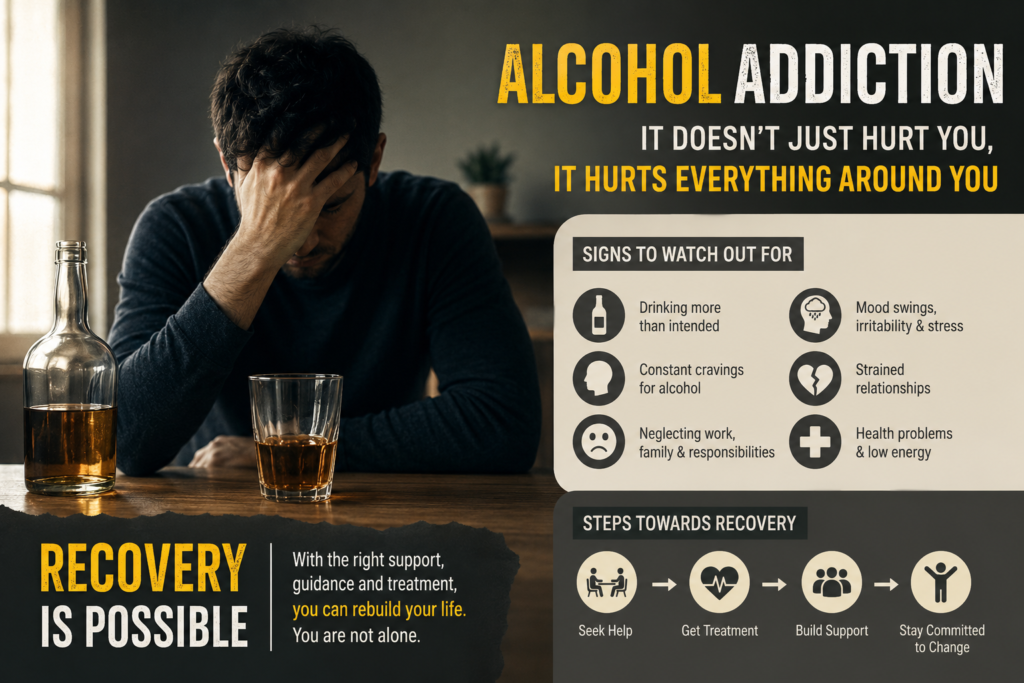
Alcohol is often associated with celebrations, social gatherings, and relaxation. While moderate drinking may not be harmful for everyone, excessive and uncontrolled alcohol consumption can gradually develop into alcohol addiction, affecting physical health, mental well-being, relationships, and overall quality of life. At Sarathi Welfare Trust, we believe that recovery begins with awareness, compassion, and timely support. Understanding alcohol addiction is the first step toward helping yourself or someone you care about. What Is Alcohol Addiction? Alcohol addiction, also known as alcohol dependence or Alcohol Use Disorder (AUD), is a condition where a person becomes unable to control their drinking despite experiencing negative consequences. Over time, the body and mind become dependent on alcohol, making it increasingly difficult to stop without professional help. Alcohol addiction is not a lack of willpower—it is a medical condition that requires proper treatment and support. Common Causes of Alcohol Addiction There is no single reason why someone develops alcohol addiction. Several factors may contribute, including: Many individuals initially consume alcohol to relieve stress, but repeated use can eventually lead to dependence. Warning Signs of Alcohol Addiction Recognizing the symptoms early can make recovery more successful. Common signs include: If these signs are present, seeking professional help should not be delayed. The Health Risks of Alcohol Addiction Long-term alcohol abuse can affect nearly every organ in the body. Physical Health Mental Health Alcohol addiction is closely linked with: Impact on Family and Relationships Alcohol addiction affects not only the individual but also their loved ones. Families often experience: Children growing up in households affected by alcohol addiction may also experience long-term emotional and psychological challenges. Can Alcohol Addiction Be Treated? Yes. Recovery is possible with the right treatment plan and continued support. A comprehensive rehabilitation program typically includes: Every person’s recovery journey is unique, which is why personalized treatment is essential. Tips to Prevent Alcohol Addiction Prevention begins with healthy habits. Early intervention often prevents addiction from becoming severe. Breaking the Stigma Around Addiction Many people hesitate to seek treatment because they fear being judged. Addiction should be viewed like any other health condition—it deserves understanding, professional care, and compassion rather than criticism. Supporting someone struggling with alcohol addiction can make a significant difference in their recovery journey. How Sarathi Welfare Trust Can Help At Sarathi Welfare Trust, we are committed to helping individuals overcome alcohol addiction through compassionate, evidence-based rehabilitation. Our experienced professionals provide personalized care in a safe and supportive environment, helping individuals rebuild their confidence, restore relationships, and regain control of their lives. Recovery is possible, and every day offers a new opportunity to begin again. Final Statement Alcohol addiction can affect anyone, regardless of age, profession, or background. The encouraging news is that recovery is achievable with timely treatment, emotional support, and determination. If you or someone you know is struggling with alcohol dependence, don’t wait for the situation to worsen. Taking the first step today could be the beginning of a healthier, happier, and addiction-free future. Sarathi Welfare Trust is here to guide and support you every step of the way because every life deserves a second chance.
International Day Against Drug Abuse 2026: Together We Can Build a Healthier, Drug-Free Future
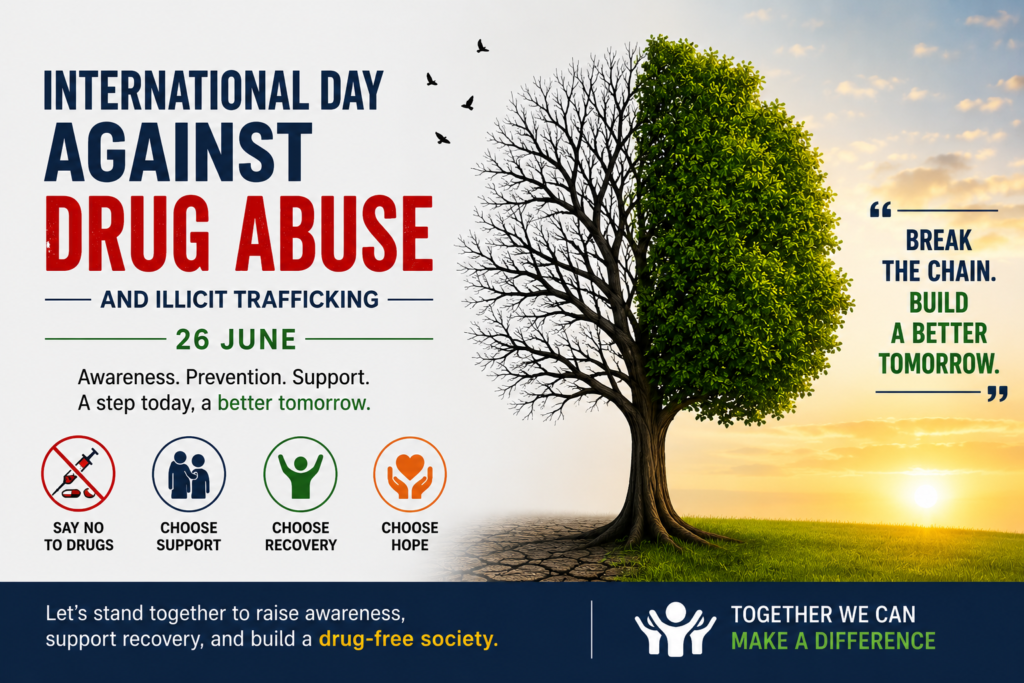
Every year on 26 June, the world observes International Day Against Drug Abuse and Illicit Trafficking to raise awareness about the devastating impact of drug abuse on individuals, families, and communities. The day serves as a reminder that addiction is not merely a personal struggle—it is a social issue that requires compassion, education, prevention, and access to effective treatment. At Sarathi Welfare Trust, we believe that recovery is possible for everyone. Through professional counselling, rehabilitation, and community outreach, we are committed to helping individuals reclaim their lives and empowering families to support lasting recovery. Why Is International Day Against Drug Abuse Important? Drug abuse continues to affect millions of people across the globe. Substance dependence can lead to serious physical and mental health issues, financial instability, broken relationships, unemployment, and increased crime. Young people are particularly vulnerable due to peer pressure, stress, curiosity, and easy access to harmful substances. International Day Against Drug Abuse encourages governments, organisations, healthcare professionals, and communities to work together to: Understanding Drug Addiction Addiction is a chronic condition that affects the brain and behaviour. It is not a sign of weakness or lack of willpower. People struggling with substance abuse often need medical care, psychological support, and a structured rehabilitation programme to achieve lasting recovery. Common signs of addiction include: Recognising these signs early can make a significant difference in successful recovery. The Role of Families in Recovery Family support is one of the strongest factors in successful rehabilitation. Instead of blaming or isolating someone struggling with addiction, families should encourage open communication and seek professional help as early as possible. Recovery becomes more effective when individuals receive emotional support alongside medical and psychological treatment. How Sarathi Welfare Trust Helps At Sarathi Welfare Trust, we provide compassionate and evidence-based care for individuals battling substance abuse. Our services are designed to address the physical, emotional, and psychological aspects of addiction. Our support includes: Our experienced professionals work closely with every individual to create a personalised recovery plan that promotes long-term wellness and reintegration into society. Prevention Starts with Awareness Preventing drug abuse begins long before addiction develops. Communities, schools, parents, and healthcare providers all have a role to play. Some effective prevention measures include: Awareness saves lives, and education remains one of the most powerful tools against addiction. This 26 June, Be Part of the Change International Day Against Drug Abuse is not just about recognising a global problem—it is about inspiring action. Every conversation, every awareness campaign, and every act of support can help someone take the first step toward recovery. If you or someone you know is struggling with drug addiction, remember that help is available, and recovery is possible. At Sarathi Welfare Trust, we stand with individuals and families on their journey towards hope, healing, and a brighter future. Final Thoughts Drug addiction can affect anyone, regardless of age, background, or profession. By spreading awareness, reducing stigma, and ensuring access to quality rehabilitation services, we can create healthier communities and brighter futures. This International Day Against Drug Abuse, let us unite to spread hope, encourage recovery, and build a society where every individual has the opportunity to live a healthy, fulfilling, and drug-free life.
Alcohol Addiction Treatment in Hooghly: A Complete Guide to Recovery
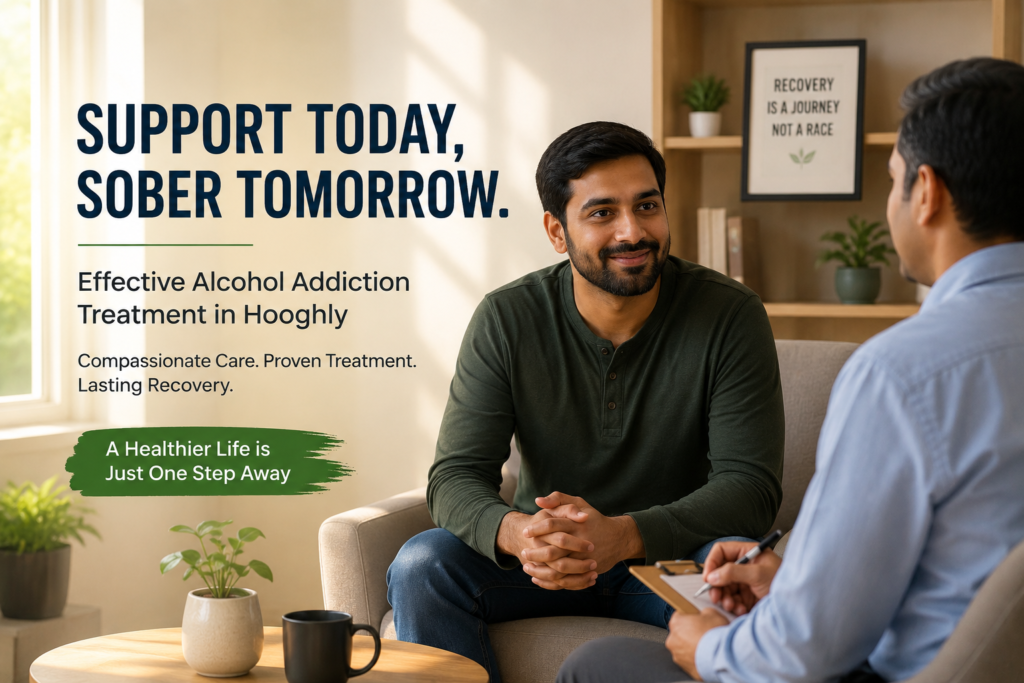
Alcohol addiction is a growing concern affecting individuals and families across Hooghly and West Bengal. What often starts as occasional drinking can gradually develop into dependence, impacting physical health, mental well-being, relationships, and professional life. The good news is that recovery is possible with the right treatment, support, and commitment. At Sarathi Welfare Trust, we understand the challenges of alcohol addiction and provide comprehensive treatment programs designed to help individuals regain control of their lives. Understanding Alcohol Addiction Alcohol addiction, also known as Alcohol Use Disorder (AUD), is a chronic condition where a person becomes unable to control their alcohol consumption despite negative consequences. Over time, the body develops a dependence on alcohol, making it difficult to stop drinking without professional assistance. Common Signs of Alcohol Addiction Recognizing these symptoms early can significantly improve the chances of successful recovery. Why Professional Alcohol Addiction Treatment Is Important Many individuals attempt to quit drinking on their own but often struggle due to withdrawal symptoms and emotional triggers. Professional treatment offers a structured and supportive environment that addresses both the physical and psychological aspects of addiction. Benefits of professional treatment include: Alcohol Addiction Treatment Services in Hooghly 1. Medical Detoxification The first step in recovery is often detoxification. During this process, the body eliminates alcohol while medical professionals monitor withdrawal symptoms and ensure patient safety. 2. Individual Counseling Professional counselors help patients understand the root causes of their addiction, develop coping mechanisms, and build a strong foundation for long-term recovery. 3. Group Therapy Group sessions allow individuals to connect with others facing similar challenges. Sharing experiences and receiving peer support can be highly motivating during recovery. 4. Family Therapy Alcohol addiction affects entire families. Family counseling helps rebuild trust, improve communication, and create a supportive home environment. 5. Relapse Prevention Programs Recovery is an ongoing journey. Relapse prevention programs teach practical skills to manage triggers, stress, and high-risk situations. The Impact of Alcohol Addiction on Health Long-term alcohol abuse can lead to serious health complications, including: Seeking timely alcohol addiction treatment in Hooghly can help prevent these complications and improve overall quality of life. Why Choose Sarathi Welfare Trust? Sarathi Welfare Trust is committed to providing compassionate, evidence-based addiction treatment. Our dedicated team focuses on helping individuals achieve lasting recovery through personalized care and ongoing support. Our Approach Includes: We believe every individual deserves a second chance and the opportunity to lead a healthy, productive life. Tips for Supporting a Loved One with Alcohol Addiction If someone you care about is struggling with alcohol dependence: Support from family and friends can make a significant difference in successful recovery. Take the First Step Toward Recovery Alcohol addiction does not have to define a person’s future. With proper treatment, professional guidance, and family support, recovery is achievable. If you or a loved one is searching for effective alcohol addiction treatment in Hooghly, Sarathi Welfare Trust is here to help. Seeking help today can be the beginning of a healthier, happier, and alcohol-free tomorrow.
How Alcohol Addiction Impacts Mental Health
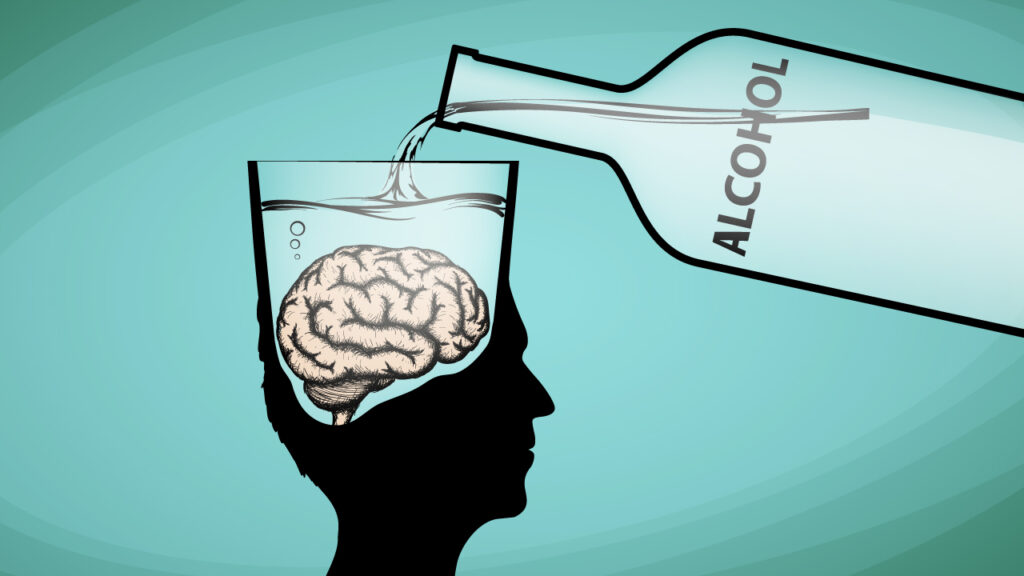
Alcohol addiction, clinically known as Alcohol Use Disorder (AUD), is more than just excessive drinking. It’s a condition that deeply affects a person’s mind and life. In cities like Kolkata, where social drinking is often normalized during celebrations and stress is part of daily hustle, the line between casual use and dependency can blur quickly. What many overlook is how closely alcohol and mental health are connected. This blog explores that link, helping you understand the emotional and psychological effects, warning signs, and pathways to recovery, so you or your loved ones can take informed steps toward healing. What is Alcohol Addiction? Alcohol addiction, or AUD, is a chronic condition where a person struggles to control their drinking despite negative consequences. It goes beyond occasional drinking and develops into a physical and psychological dependence. Common signs include strong cravings, inability to limit intake, neglecting responsibilities, and continuing to drink despite health or relationship issues. In many local settings, weekend drinking or festive indulgence is common, but addiction is marked by loss of control and reliance. Risk factors include genetic predisposition, high-stress environments, trauma, and social influences. Many individuals don’t realize when casual drinking turns into dependency, which is why awareness and timely alcohol addiction treatment in Kolkata can make a crucial difference in preventing long-term mental health damage. Understanding Mental Health Mental health refers to our emotional, psychological, and social well-being. It influences how we think, feel, act, and handle stress in everyday life. Good mental health helps individuals cope with challenges, build relationships, and make sound decisions. However, conditions like anxiety, depression, and bipolar disorder are becoming increasingly common, especially in fast-paced urban environments like Kolkata. Work pressure, financial responsibilities, and social expectations can take a toll on emotional well-being. When mental health is compromised, it can affect sleep, appetite, productivity, and relationships. Understanding mental health is the first step toward recognizing how external factors, like alcohol, can either temporarily mask or significantly worsen these underlying conditions over time. The Link Between Alcohol and Mental Health Alcohol and mental health share a complex, two-way relationship. While some people turn to alcohol to cope with stress, anxiety, or emotional pain, excessive consumption can actually worsen these conditions. This is often called “self-medication,” where alcohol is used as a temporary escape. In reality, alcohol alters brain chemistry by affecting neurotransmitters responsible for mood regulation. While it may initially create a feeling of relaxation, over time it disrupts emotional balance. For someone already dealing with anxiety or depression, this can intensify symptoms. In many cases, untreated mental health issues lead to increased drinking, which further damages mental stability, creating a harmful cycle that becomes difficult to break without professional support. Short-Term Mental Health Effects of Alcohol Even short-term alcohol consumption can significantly impact mental health. After just a few drinks, individuals may experience mood swings, irritability, and lowered inhibitions. This often leads to impulsive decisions or risky behaviors that they might later regret. Alcohol can also trigger anxiety and panic attacks, especially once its effects begin to wear off. Many people report feeling more anxious the next day, a phenomenon often referred to as “hangxiety.” Sleep is also affected, as alcohol disrupts the natural sleep cycle, leading to poor rest and fatigue. In a busy city lifestyle, where people already struggle with stress, these short-term effects can quickly accumulate, making everyday functioning more difficult and emotionally draining. Long-Term Mental Health Consequences Prolonged alcohol addiction can have serious and lasting effects on mental health. One of the most common outcomes is depression, often accompanied by feelings of hopelessness and, in severe cases, suicidal thoughts. Chronic alcohol use can also lead to persistent anxiety disorders, making it difficult for individuals to cope with daily stress. Over time, alcohol affects brain function, leading to memory problems and cognitive decline. In extreme cases, individuals may experience alcohol-induced psychosis, which includes hallucinations and distorted thinking. These long-term consequences not only affect the individual but also their family and social life. Without timely intervention, the damage can become deeply rooted, making recovery more challenging but still possible with the right care and support. Co-Occurring Disorders: Dual Diagnosis Dual diagnosis refers to the presence of both alcohol addiction and a mental health disorder at the same time. For example, a person may struggle with depression, anxiety, or PTSD alongside alcohol dependency. This combination is more common than many realize. The challenge with dual diagnosis is that both conditions interact and worsen each other. Alcohol may temporarily ease emotional distress, but it ultimately intensifies mental health symptoms. This makes treatment more complex, as both issues need to be addressed simultaneously. Specialized care programs, like those offered by Sarathi Welfare Trust, focus on treating both addiction and mental health together, ensuring a more holistic and effective recovery process. Social and Emotional Impact Alcohol addiction doesn’t just affect the individual. It impacts their entire social circle. Relationships with family and friends often become strained due to behavioral changes, broken trust, and emotional distance. In many households, this leads to conflict, misunderstandings, and even isolation. Work performance can also suffer, resulting in job instability and financial stress. In a city like Kolkata, where family bonds and social reputation hold strong value, these challenges can feel overwhelming. Emotionally, individuals may experience guilt, shame, and a loss of self-esteem. Over time, this can create a sense of loneliness and hopelessness, making it even harder to seek help or break free from the cycle of addiction. Warning Signs to Watch For Recognizing the early signs of alcohol addiction can make a significant difference. Behavioral changes such as increased secrecy, neglecting responsibilities, or avoiding social interactions are common indicators. Emotionally, individuals may appear unstable, easily irritated, or withdrawn. A growing dependence on alcohol, such as needing it to relax or cope with stress, is another major red flag. Withdrawal symptoms like tremors, sweating, nausea, or anxiety when not drinking indicate physical dependence. If you notice these signs in yourself or someone close, it’s important to seek
What Happens Inside a Rehab Centre? A Complete Guid
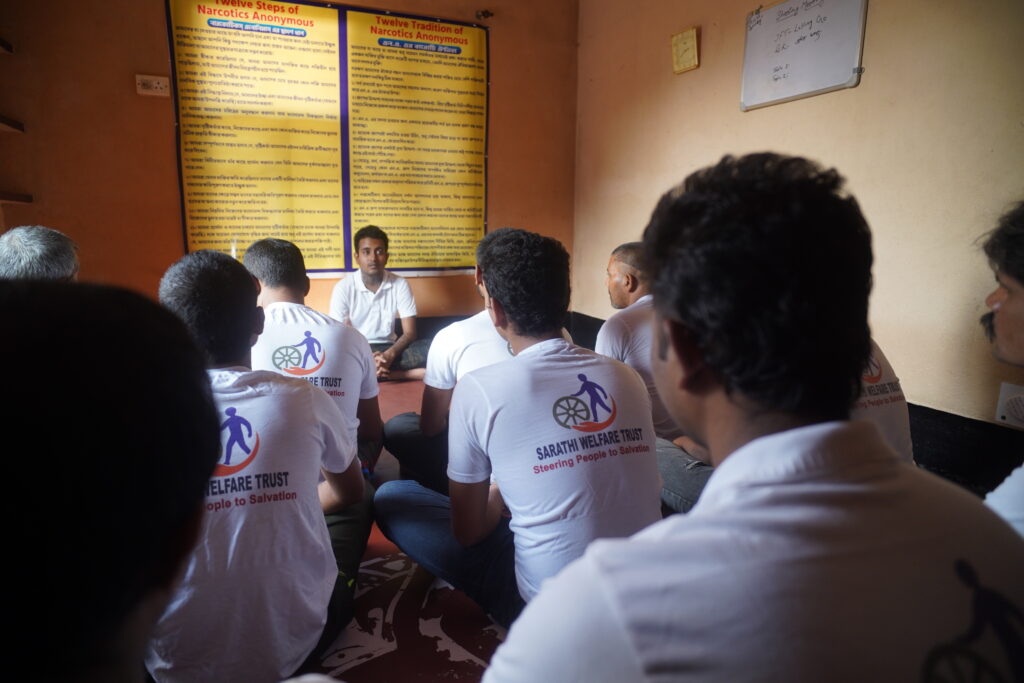
Curiosity often meets fear when people hear about a rehabilitation centre. Images from movies create confusion and anxiety. Reality, however, looks very different and far more human. Stories of strict rules and isolation are often exaggerated. Truth reveals structure, care, and genuine healing support. Many people hesitate because they simply do not understand the process. This guide speaks to patients, families, and curious readers alike. Clarity replaces myths with facts throughout this article. Transparency remains the goal from start to finish. Understanding a rehabilitation centre becomes easier with the right information. What Is a Rehab Centre? A rehabilitation centre provides structured care for addiction and mental health recovery. Professionals design programs to support physical, emotional, and psychological healing. Inpatient facilities offer full-time residential care and supervision. Outpatient programs allow patients to live at home during treatment. Specialized centres focus on alcohol, drugs, or mental health conditions. Each rehabilitation centre in Kolkata tailors treatment plans based on individual needs. Medical experts and therapists guide recovery with proven methods. Safe environments encourage patients to focus entirely on healing. Support systems inside these centres promote long-term recovery success. The Admission Process Admission into a rehabilitation centre begins with a detailed medical evaluation. Doctors assess physical health and substance use history carefully. Psychological assessments identify emotional and behavioral patterns. Staff explain paperwork, privacy policies, and confidentiality clearly. Every rehabilitation centre follows strict guidelines to protect patient information. Detox plans are prepared if withdrawal symptoms are expected. Professionals outline treatment goals and timelines from the start. Patients receive guidance on what to bring for their stay. Comfortable clothing and essential items are usually recommended. Day one includes orientation and introduction to the routine. Support staff ensure patients feel safe and welcomed immediately. A Typical Day in Rehab Structure defines daily life inside a rehabilitation centre. Mornings usually begin early with a calm wake-up routine. Healthy breakfast follows to energize the body and mind. Meditation or mindfulness sessions help patients focus inward. Individual counseling sessions address personal challenges and triggers. Group therapy encourages shared experiences and emotional connection. Patients learn from others facing similar struggles. Educational workshops teach coping strategies and relapse prevention skills. Afternoons often include physical activities like yoga or gym sessions. Exercise improves mood and supports overall recovery progress. Creative therapies may include art, music, or journaling exercises. Evenings focus on reflection and structured support meetings. Patients discuss daily progress and emotional experiences openly. Peer encouragement strengthens motivation and accountability. Each day inside a rehabilitation centre builds discipline and resilience. Consistency helps patients gradually regain control over their lives. Detoxification: The First Step Detoxification marks the first stage in many rehabilitation centre programs. Body clears harmful substances during this critical process. Medical supervision ensures safety and reduces health risks. Withdrawal symptoms may include anxiety, nausea, or physical discomfort. Doctors provide medication and support to ease these symptoms. Care teams monitor patients closely throughout detox. Safe detox creates a strong foundation for further treatment. Proper management prevents complications and builds patient confidence early. Therapy and Treatment Methods Therapy forms the core of every rehabilitation centre program. Cognitive Behavioral Therapy helps change negative thought patterns. Dialectical Behavior Therapy improves emotional regulation and coping skills. Group therapy builds connection and reduces feelings of isolation. Patients learn valuable lessons from shared experiences. Family therapy strengthens relationships and rebuilds trust. Involvement of loved ones supports long-term recovery outcomes. Holistic therapies include art, music, and mindfulness practices. These approaches promote healing beyond traditional methods. Each rehabilitation centre combines therapies to suit individual recovery journeys. Lifestyle and Wellness in Rehab Healthy lifestyle changes play a vital role in recovery. Nutrition plans focus on balanced meals and proper hydration. Diet supports physical healing and mental clarity. Exercise routines improve strength, mood, and energy levels. Regular physical activity reduces stress and anxiety. Sleep schedules are structured to restore natural body rhythms. Mental health improves with consistent rest and relaxation. A rehabilitation centre in Kolkata promotes overall wellness alongside treatment. Support System Inside Rehab Strong support systems define every effective rehabilitation centre. Doctors oversee medical care and monitor patient progress. Therapists guide emotional healing through structured sessions. Counselors provide daily encouragement and practical advice. Peer groups create a sense of belonging and understanding. Patients support each other through shared experiences. Accountability systems help maintain discipline and commitment. Community environments foster trust and long-term motivation. Challenges Faced During Rehab Recovery inside a rehabilitation centre is not always easy. Emotional struggles often surface during early treatment stages. Patients confront past trauma and difficult memories. Cravings and triggers can test determination and patience. Structured routines may feel restrictive at first. Adjusting to new habits requires time and effort. Support from staff and peers helps overcome these challenges. Persistence leads to growth and emotional strength over time. Progress and Milestones Progress inside a rehabilitation centre is tracked through regular assessments. Therapists monitor behavioral changes and emotional stability. Small achievements build confidence and motivation gradually. Patients celebrate milestones like improved coping skills. Breakthrough moments often reshape perspectives and habits. Recovery involves learning healthier responses to stress and triggers. Each step forward strengthens long-term commitment to sobriety. Life After Rehab (Aftercare) Life after a rehabilitation centre requires continued commitment and planning. Aftercare programs help maintain recovery outside structured environments. Relapse prevention strategies prepare patients for real-world challenges. Support groups provide ongoing encouragement and accountability. Regular follow-ups with therapists ensure steady progress. Healthy routines must continue beyond treatment completion. Transitioning back to daily life takes patience and support. Strong aftercare plans increase chances of long-term success. A rehabilitation centre offers more than treatment; it provides a fresh start. Structured environments create safety, discipline, and hope. Professional care supports both physical and emotional healing. Seeking help should never feel shameful or frightening. Recovery becomes possible with the right guidance and commitment. Sarathi Welfare Trust offers right guidance and commitment to each patient. Every step forward builds a stronger and healthier future. Courage to begin the journey can transform an entire life. Call us now.