Alcohol addiction, clinically known as Alcohol Use Disorder (AUD), is more than just excessive drinking. It’s a condition that deeply affects a person’s mind and life. In cities like Kolkata, where social drinking is often normalized during celebrations and stress is part of daily hustle, the line between casual use and dependency can blur quickly. What many overlook is how closely alcohol and mental health are connected.
This blog explores that link, helping you understand the emotional and psychological effects, warning signs, and pathways to recovery, so you or your loved ones can take informed steps toward healing.
What is Alcohol Addiction?
Alcohol addiction, or AUD, is a chronic condition where a person struggles to control their drinking despite negative consequences. It goes beyond occasional drinking and develops into a physical and psychological dependence. Common signs include strong cravings, inability to limit intake, neglecting responsibilities, and continuing to drink despite health or relationship issues.
In many local settings, weekend drinking or festive indulgence is common, but addiction is marked by loss of control and reliance. Risk factors include genetic predisposition, high-stress environments, trauma, and social influences.
Many individuals don’t realize when casual drinking turns into dependency, which is why awareness and timely alcohol addiction treatment in Kolkata can make a crucial difference in preventing long-term mental health damage.
Understanding Mental Health
Mental health refers to our emotional, psychological, and social well-being. It influences how we think, feel, act, and handle stress in everyday life. Good mental health helps individuals cope with challenges, build relationships, and make sound decisions.
However, conditions like anxiety, depression, and bipolar disorder are becoming increasingly common, especially in fast-paced urban environments like Kolkata. Work pressure, financial responsibilities, and social expectations can take a toll on emotional well-being. When mental health is compromised, it can affect sleep, appetite, productivity, and relationships.
Understanding mental health is the first step toward recognizing how external factors, like alcohol, can either temporarily mask or significantly worsen these underlying conditions over time.
The Link Between Alcohol and Mental Health
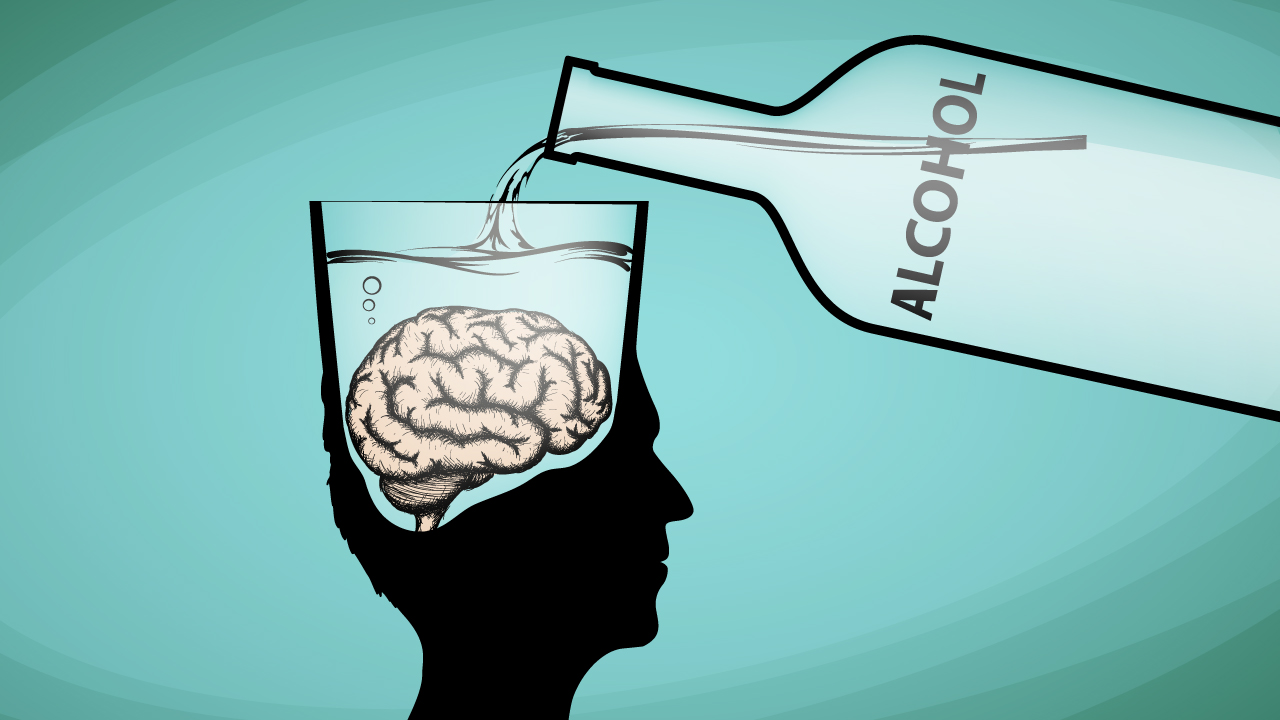
Alcohol and mental health share a complex, two-way relationship. While some people turn to alcohol to cope with stress, anxiety, or emotional pain, excessive consumption can actually worsen these conditions. This is often called “self-medication,” where alcohol is used as a temporary escape.
In reality, alcohol alters brain chemistry by affecting neurotransmitters responsible for mood regulation. While it may initially create a feeling of relaxation, over time it disrupts emotional balance.
For someone already dealing with anxiety or depression, this can intensify symptoms. In many cases, untreated mental health issues lead to increased drinking, which further damages mental stability, creating a harmful cycle that becomes difficult to break without professional support.
Short-Term Mental Health Effects of Alcohol
Even short-term alcohol consumption can significantly impact mental health. After just a few drinks, individuals may experience mood swings, irritability, and lowered inhibitions. This often leads to impulsive decisions or risky behaviors that they might later regret.
Alcohol can also trigger anxiety and panic attacks, especially once its effects begin to wear off. Many people report feeling more anxious the next day, a phenomenon often referred to as “hangxiety.” Sleep is also affected, as alcohol disrupts the natural sleep cycle, leading to poor rest and fatigue.
In a busy city lifestyle, where people already struggle with stress, these short-term effects can quickly accumulate, making everyday functioning more difficult and emotionally draining.
Long-Term Mental Health Consequences
Prolonged alcohol addiction can have serious and lasting effects on mental health. One of the most common outcomes is depression, often accompanied by feelings of hopelessness and, in severe cases, suicidal thoughts. Chronic alcohol use can also lead to persistent anxiety disorders, making it difficult for individuals to cope with daily stress.
Over time, alcohol affects brain function, leading to memory problems and cognitive decline. In extreme cases, individuals may experience alcohol-induced psychosis, which includes hallucinations and distorted thinking.
These long-term consequences not only affect the individual but also their family and social life. Without timely intervention, the damage can become deeply rooted, making recovery more challenging but still possible with the right care and support.
Co-Occurring Disorders: Dual Diagnosis
Dual diagnosis refers to the presence of both alcohol addiction and a mental health disorder at the same time. For example, a person may struggle with depression, anxiety, or PTSD alongside alcohol dependency. This combination is more common than many realize.
The challenge with dual diagnosis is that both conditions interact and worsen each other. Alcohol may temporarily ease emotional distress, but it ultimately intensifies mental health symptoms. This makes treatment more complex, as both issues need to be addressed simultaneously.
Specialized care programs, like those offered by Sarathi Welfare Trust, focus on treating both addiction and mental health together, ensuring a more holistic and effective recovery process.
Social and Emotional Impact
Alcohol addiction doesn’t just affect the individual. It impacts their entire social circle. Relationships with family and friends often become strained due to behavioral changes, broken trust, and emotional distance. In many households, this leads to conflict, misunderstandings, and even isolation.
Work performance can also suffer, resulting in job instability and financial stress. In a city like Kolkata, where family bonds and social reputation hold strong value, these challenges can feel overwhelming.
Emotionally, individuals may experience guilt, shame, and a loss of self-esteem. Over time, this can create a sense of loneliness and hopelessness, making it even harder to seek help or break free from the cycle of addiction.
Warning Signs to Watch For
Recognizing the early signs of alcohol addiction can make a significant difference. Behavioral changes such as increased secrecy, neglecting responsibilities, or avoiding social interactions are common indicators.
Emotionally, individuals may appear unstable, easily irritated, or withdrawn. A growing dependence on alcohol, such as needing it to relax or cope with stress, is another major red flag.
Withdrawal symptoms like tremors, sweating, nausea, or anxiety when not drinking indicate physical dependence. If you notice these signs in yourself or someone close, it’s important to seek professional guidance early. Early intervention can prevent more severe mental health complications and support a smoother recovery journey.
Treatment and Recovery Options
Recovery from alcohol addiction is possible with the right support and structured care. The process often begins with detoxification under medical supervision to safely manage withdrawal symptoms.
Therapies such as Cognitive Behavioral Therapy (CBT), counseling, and group therapy play a crucial role in addressing underlying emotional triggers. In some cases, medication may be prescribed to manage cravings or mental health symptoms.
Rehabilitation programs provide a safe and supportive environment for recovery. At Sarathi Welfare Trust, individuals receive personalized care that focuses on both mental health and addiction recovery. Strong support systems, family, friends, and community groups, also play a vital role in maintaining long-term sobriety.
Tips for Supporting Someone Struggling
Supporting someone with alcohol addiction requires patience, understanding, and the right approach. Use compassionate language, avoid blame or judgment, as it can push them further away. Instead, express concern and willingness to help.
Encourage them to seek professional support without forcing or pressuring them. Sometimes, simply being present and listening can make a big difference.
It’s equally important to set healthy boundaries. Supporting doesn’t mean enabling harmful behavior. Taking care of your own emotional well-being is also essential while helping someone else navigate recovery.
Breaking the Stigma
One of the biggest barriers to recovery is stigma. Many people still view addiction as a lack of willpower rather than a medical condition. This misconception prevents individuals from seeking help.
In reality, alcohol addiction is a complex health issue that requires professional care and compassion. By challenging these myths and promoting awareness, we can create a more supportive environment for recovery.
Open conversations within families and communities are crucial. When people feel safe to talk about their struggles, they are more likely to seek help and begin their healing journey without fear of judgment.
Alcohol addiction and mental health are deeply interconnected, affecting not just individuals but entire families and communities. From short-term mood changes to long-term psychological challenges, the impact is significant, but recovery is always possible.
With the right support, awareness, and timely intervention, individuals can regain control of their lives. If you or someone you know is struggling, don’t wait. Reach out to Sarathi Welfare Trust and take the first step toward a healthier, more balanced future. Your journey to healing can begin today.