
Nasha Mukti Kendra in Hooghly – A Path to Healing with Sarathi Welfare Trust
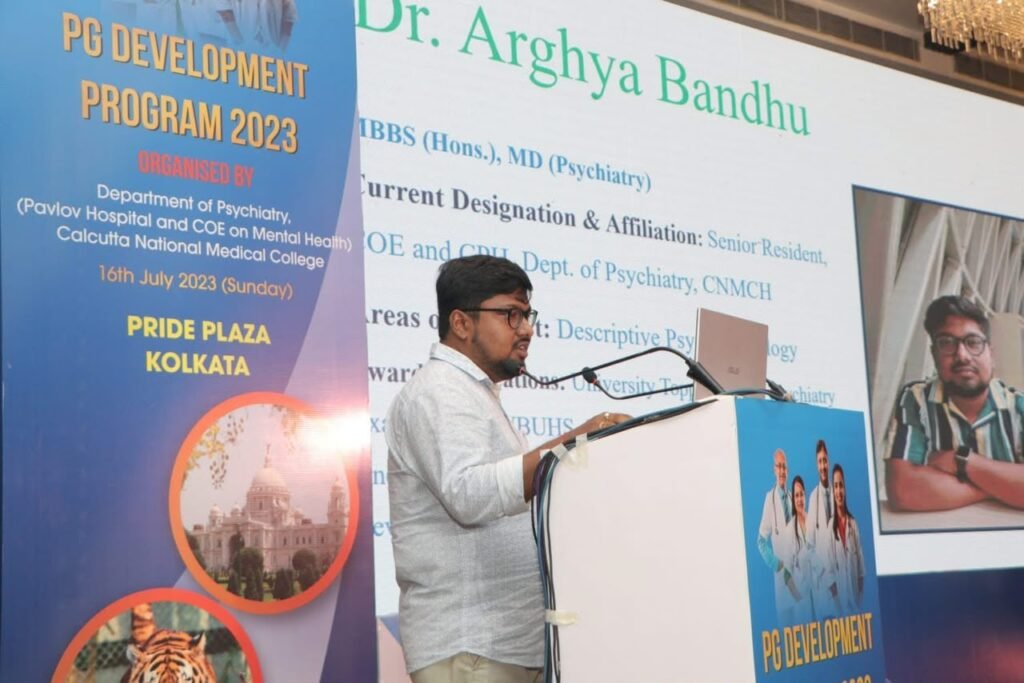
Recovery and Rehabilitation in Hooghly with Dr. Arghya Bandhu Addiction is one of the toughest battles a person can face. It doesn’t just affect the individual; it impacts families, careers, and communities. At Sarathi Welfare Trust, we believe recovery is possible when medical expertise, emotional support, and a safe environment come together. Our Nasha Mukti Kendra in Hooghly is designed to provide exactly that — a place where people can rebuild their lives with dignity and hope. Understanding Addiction Addiction is not simply a bad habit. It is a medical condition that changes the way the brain works. Whether it is alcohol, drugs, or other substances, dependency can make people feel trapped. Many families struggle silently, unsure of where to turn for help. That’s why centres like ours exist — to provide structured care, professional guidance, and a clear path forward. The Role of Expert Guidance Recovery is most effective when guided by professionals. At Sarathi Welfare Trust, our programs are led by Dr. Arghya Bandhu, MD Psychiatrist, a respected specialist in addiction and mental health. His expertise ensures that every patient receives proper medical evaluation, safe detoxification, and ongoing psychiatric support. Having a qualified psychiatrist at the centre means patients are not just treated for addiction but also for underlying issues such as anxiety, depression, or trauma, which often accompany substance abuse. What Makes Sarathi Welfare Trust Different? Services We Provide The Journey of Recovery Recovery is not about punishment or shame. It is about rediscovering life. At Sarathi Welfare Trust, we help patients regain confidence, rebuild relationships, and prepare for a healthier future. With the guidance of Dr. Arghya Bandhu and our dedicated team, every patient is given the tools to overcome dependency step by step. We believe that addiction should never define a person. With the right care, anyone can break free and start anew. Why Choose a Nasha Mukti Kendra in Hooghly? Hooghly is home to many families who struggle with addiction issues but hesitate to seek help. Our centre is easily accessible, offering professional care close to home. By choosing Sarathi Welfare Trust, patients and families don’t have to travel far for quality treatment — they can find hope right here in their community. Key Points Addiction recovery is a journey, not a quick fix. It requires patience, medical support, and emotional strength. At Sarathi Welfare Trust’s Nasha Mukti Kendra in Hooghly, we provide all three. With the expertise of Dr. Arghya Bandhu, MD, Psychiatrist, and a compassionate team, we stand beside every patient as they take steps toward a healthier, happier life.
Nasha Mukti Kendra in Hooghly – Best Rehabilitation Centre & Mental Rehab in Kolkata

Drug addiction and mental health problems are becoming increasingly common in today’s fast-moving world. Many individuals silently suffer from alcohol addiction, drug dependency, depression, anxiety, and emotional stress. These issues not only affect personal health but also damage relationships, careers, and family life. At Sarathi Welfare Trust, we are committed to helping individuals recover through professional care, counselling, and rehabilitation support. If you are searching for a trusted Nasha Mukti Kendra in Hooghly, a best rehabilitation centre, or a reliable mental rehab in Kolkata, our centre provides compassionate and personalised treatment for long-term recovery. Understanding Addiction and Mental Health Issues Addiction is more than just a bad habit. It is a serious physical and psychological condition that requires proper medical and emotional support. Similarly, mental health conditions such as anxiety, depression, trauma, and stress can deeply affect a person’s daily life if left untreated. A professional rehabilitation centre helps individuals regain control over their lives by providing structured treatment, therapy, and emotional healing. Why Choose Sarathi Welfare Trust? Choosing the right rehabilitation centre is one of the most important steps in the recovery journey. Sarathi Welfare Trust is recognised for offering effective rehabilitation programmes in a safe and supportive environment. Our Rehabilitation Services Include: Drug de-addiction treatment Alcohol rehabilitation programmes Mental health counselling Depression and anxiety support Emotional and behavioural therapy Family counselling sessions Recovery and relapse prevention programmes We focus on both physical recovery and mental wellness to ensure complete healing. Best Nasha Mukti Kendra in Hooghly Finding the right Nasha Mukti Kendra in Hooghly can make a huge difference in recovery success. Our rehabilitation approach is designed to help patients feel respected, motivated, and emotionally secure throughout their treatment journey. Benefits of Our Rehabilitation Programme: Experienced and supportive staff Personalised recovery plans Peaceful and disciplined environment Professional counselling and therapy Confidential and respectful treatment Long-term recovery guidance Our goal is to help individuals rebuild their confidence and return to a healthy, addiction-free lifestyle. Mental Rehab in Kolkata for Emotional Recovery Mental health is just as important as physical health. Many people struggling with addiction also experience emotional stress, depression, or anxiety. As a trusted provider of mental rehab in Kolkata, we offer professional support for emotional healing and psychological recovery. Through therapy, counselling, meditation, and wellness programmes, we help patients regain mental strength and emotional balance. Signs That Professional Rehabilitation is Needed If you notice any of the following signs in yourself or a loved one, seeking professional help may be necessary: Dependence on alcohol or drugs Sudden mood swings and anger Isolation from family and friends Anxiety, depression, or emotional instability Sleeping disorders Poor physical health and hygiene Loss of interest in work or studies Early treatment can prevent addiction and mental health conditions from becoming more severe. Family Support Plays an Important Role Recovery becomes easier when families provide emotional support and encouragement. At Sarathi Welfare Trust, we involve families in the recovery process to strengthen communication, trust, and emotional healing. We believe recovery is not only about quitting harmful substances but also about rebuilding relationships and restoring hope. Start Your Recovery Journey Today Addiction and mental health challenges can affect anyone, but recovery is always possible with the right care and support. Seeking help from a trusted best rehabilitation centre can completely change a person’s future. If you are searching for a reliable Nasha Mukti Kendra in Hooghly or professional mental rehab in Kolkata, Sarathi Welfare Trust is here to help you take the first step toward a healthier and happier life. Recovery is a journey of courage, healing, and transformation. With proper treatment, emotional support, and professional guidance, individuals can overcome addiction and mental health struggles successfully. Choose Sarathi Welfare Trust — a trusted name for rehabilitation, recovery, and mental wellness.
The Science Behind Addiction Recovery and Rehabilitation
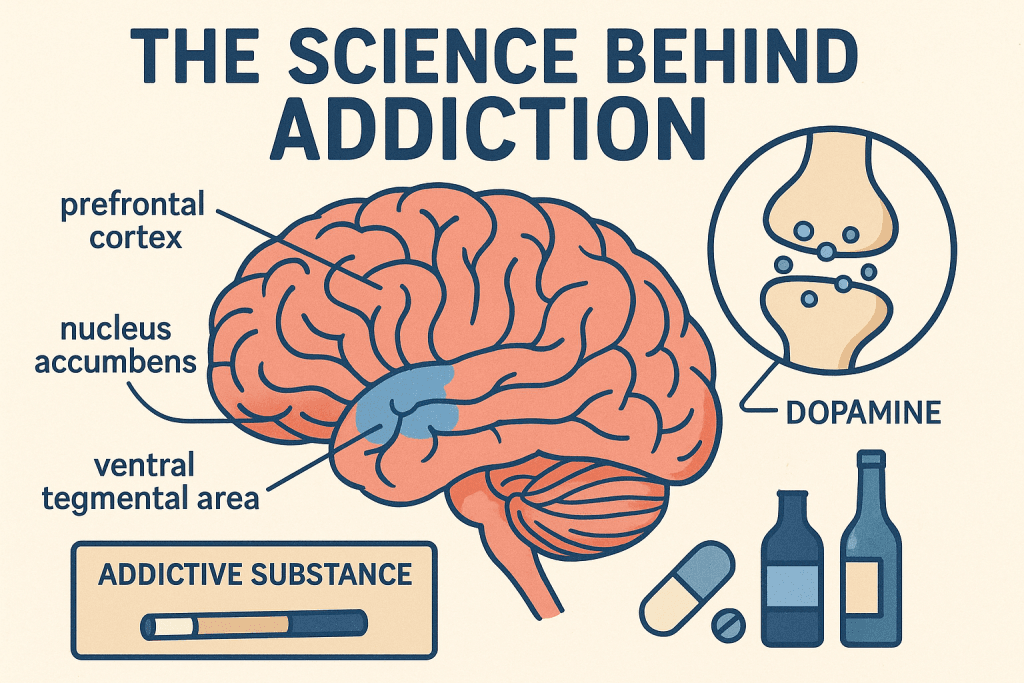
Hope flickers when science meets compassion in addiction recovery. Stories of struggle often hide powerful biology and brain chemistry. Addiction behaves like an illness, not a failure of character. Shame fades when medical facts replace myths and blame. Families suffer silently, unsure where to seek trusted help. The right support systems transform fear into structured healing journeys. Modern research reveals predictable patterns behind cravings and relapse. Treatment works best inside a professional rehab centre environment. Sarathi Welfare Trust follows evidence-based methods with humane care. Readers will explore brain science, risk factors, treatments, and recovery strategies here. What Is Addiction? Medical professionals classify addiction as Substance Use Disorder, a chronic brain condition. Condition disrupts control over substance use despite harmful consequences. Physical dependence occurs when the body adapts and demands the substance. Psychological addiction involves emotional reliance and compulsive behavioral patterns. Brain chemistry changes reduce impulse control and rational thinking ability. Reward circuits begin prioritizing substances over relationships, work, and health. Decision-making weakens as cravings overpower long-term judgment. Individuals may recognize harm yet feel unable to stop alone. Structured therapy and monitoring at a rehab centre in Kolkata significantly improve recovery outcomes. The Brain Science of Addiction Brain function changes dramatically during prolonged substance exposure. The reward system releases dopamine, creating pleasure and reinforcing survival behaviors. Addictive substances flood dopamine pathways far beyond natural stimulation levels. The brain starts associating substances with relief, motivation, and emotional comfort. The prefrontal cortex weakens, reducing judgment, planning, and impulse control. Amygdala becomes hypersensitive, intensifying stress, fear, and emotional reactions. The hippocampus stores powerful memories that link environments to substance experiences. Tolerance develops as the brain reduces sensitivity to repeated chemical surges. Higher quantities become necessary to achieve earlier pleasurable effects. Dependence forms when the brain adapts and functions poorly without substances. Withdrawal symptoms appear as the nervous system struggles to regain balance. Causes and Risk Factors Genetic makeup influences vulnerability to addictive behaviors across generations. Family history increases susceptibility through inherited neurochemical response patterns. Environmental exposure strongly shapes behavioral and emotional coping mechanisms. Childhood trauma often alters stress hormones and emotional regulation capacity. Peer groups can normalize risky experimentation and frequent substance use. Easy availability increases impulsive consumption and the likelihood of repeated behavioral reinforcement. Mental health disorders commonly coexist with addiction in complex cycles. Depression, anxiety, and PTSD intensify emotional discomfort and distress. Individuals may self-medicate symptoms without recognizing long-term neurological harm. Early screening and professional guidance at a rehab centre reduce compounded risks. The Recovery Process: What Happens in the Brain Brain recovery begins once substance use stops and stability improves. Neuroplasticity allows neural pathways to reorganize and regain functional balance. Healthy routines strengthen circuits responsible for motivation and emotional control. Cognitive clarity gradually improves over weeks and months of abstinence. Emotional regulation stabilizes as stress hormones return to manageable levels. Withdrawal triggers physical discomfort, anxiety, irritability, and sleep disturbances. Medical supervision ensures safety during detoxification and symptom management. Cravings emerge from conditioned memory circuits and environmental trigger exposure. Stress activates pathways previously linked to substance relief experiences. Structured therapy at a rehab centre teaches coping responses and relapse prevention. Evidence-Based Treatment Approaches Behavioral therapies reshape thinking patterns and emotional response systems. Cognitive Behavioral Therapy helps patients identify and replace harmful thought cycles. Dialectical Behavior Therapy strengthens emotional regulation and distress tolerance skills. Motivational Interviewing builds internal commitment toward sustainable lifestyle changes. Medication-Assisted Treatment reduces withdrawal severity and persistent craving intensity. Methadone stabilizes opioid receptors and prevents extreme physiological reactions. Buprenorphine partially activates receptors, reducing the risk of misuse and discomfort. Naltrexone blocks euphoric effects, discouraging repeated substance consumption. Holistic therapies complement medical treatment and improve overall well-being. Mindfulness practices reduce stress and improve present-moment awareness. Exercise restores natural dopamine balance and enhances mood stability. Comprehensive programs inside a rehab centre integrate therapy, medication, and lifestyle rebuilding. The Role of Rehabilitation Programs Rehabilitation programs provide structured environments designed for focused recovery. Inpatient rehabilitation removes individuals from triggers and harmful surroundings. Patients receive continuous medical supervision and psychological care. Daily schedules promote discipline, therapy participation, and healthy habit formation. Outpatient programs offer flexibility for work, education, and family responsibilities. Regular counseling sessions ensure continued accountability and progress tracking. Community recovery groups strengthen emotional resilience through shared experiences. Peer discussions reduce isolation and normalize recovery struggles. Group accountability encourages consistency and responsible decision-making habits. Alcoholics Anonymous supports sobriety through structured steps and sponsorship systems. Narcotics Anonymous offers community-based healing for substance dependence challenges. SMART Recovery emphasizes scientific self-management and cognitive skill development. Sarathi Welfare Trust is a reliable rehab centre in Kolkata with compassionate professionals and evidence-based care. It encourages long-term lifestyle rebuilding beyond detoxification phases. Technology and Innovation in Addiction Treatment Technology transforms accessibility and personalization in modern recovery programs. Telehealth counseling connects patients with specialists regardless of geographic limitations. Mobile recovery applications track habits, moods, triggers, and therapy goals. Wearable devices monitor heart rate variability and physiological stress signals. Real-time alerts help individuals manage emotional spikes proactively. Artificial intelligence analyzes behavioral patterns and predicts potential relapse risks. Digital tools complement structured therapy provided inside a rehab centre setting. Challenges in Recovery Recovery journeys often include setbacks that require patience and resilience. Relapse does not signal failure but indicates treatment adjustment needs. Social stigma prevents many individuals from seeking timely professional help. Discrimination affects employment opportunities and confidence in community reintegration. Limited access to quality treatment delays early intervention efforts. Financial burdens and family responsibilities complicate long-term therapy commitments. Supportive environments and guidance from a rehab centre reduce these recovery barriers. Preventing Relapse: What Science Recommends Relapse prevention begins with identifying personal, emotional, and environmental triggers. Patients learn coping mechanisms to manage stress without harmful behaviors. Structured routines reduce impulsive decisions and promote mental stability. Healthy sleep cycles improve emotional regulation and cognitive clarity. Regular exercise strengthens mood balance and reduces anxiety symptoms. Long-term therapy reinforces behavioral strategies and accountability systems. Ongoing monitoring ensures early intervention when warning signs reappear. The Future of Addiction Science Neuroscience continues to uncover detailed mechanisms behind
Rehabilitation Centre: A Path to Healing and Hope at Sarathi Welfare Trust
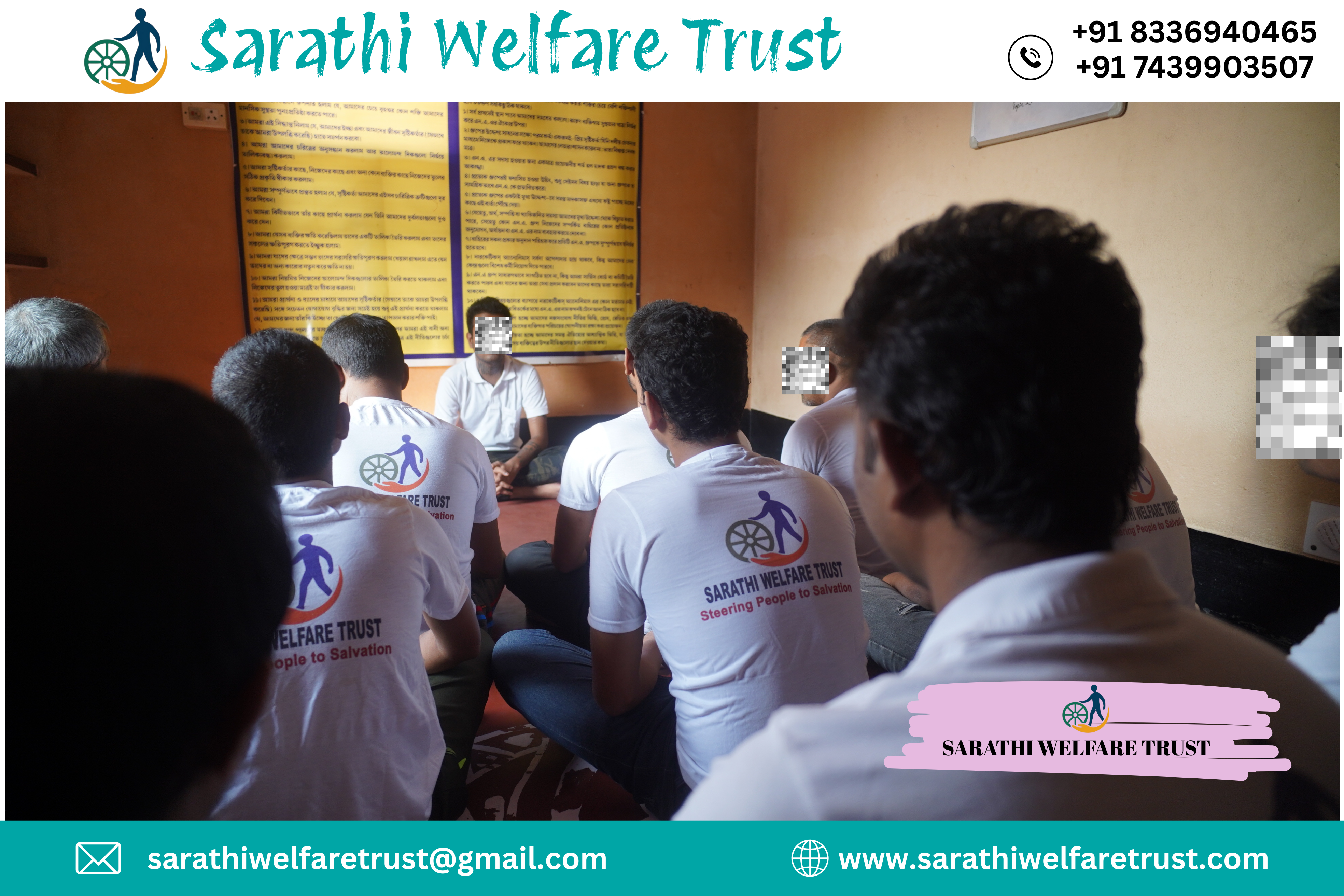
Life can sometimes take unexpected turns. Addiction, mental health struggles, emotional stress, or family problems can slowly take control and make everyday life feel overwhelming. During such times, the right support system can change everything. A rehabilitation centre is not just a place for treatment—it is a place for healing, hope, and new beginnings. At Sarathi Welfare Trust, we believe that recovery is possible for everyone with the right care, guidance, and compassion. What Is a Rehabilitation Centre? A rehabilitation centre helps individuals recover from addiction, mental health challenges, and emotional trauma in a safe and structured environment. It focuses on healing the mind, body, and soul through counselling, therapy, medical support, and emotional care. Rehabilitation is not about punishment or isolation—it is about understanding, support, and rebuilding life with confidence. Why Rehabilitation Is Important Many people try to overcome addiction or mental health issues on their own, but recovery often becomes difficult without professional help. A rehabilitation centre provides: A safe and supportive environment Professional guidance from trained experts Emotional and mental healing Tools to prevent relapse Long-term recovery planning With the right support, individuals can rediscover purpose, confidence, and inner strength. How Sarathi Welfare Trust Helps in Recovery Sarathi Welfare Trust offers a compassionate and structured approach to rehabilitation. Every individual is treated with dignity, respect, and care. Recovery plans are personalised, because no two journeys are the same. Our rehabilitation centre focuses on: Confidential consultation to understand individual needs Medically supervised care for safe recovery Individual and group counselling sessions Mental health and emotional support Life skills and confidence-building activities Aftercare and relapse prevention planning We aim not only to treat the problem but also to address its root cause. A Safe Space for Healing Recovery requires trust and emotional safety. At Sarathi Welfare Trust, we create a calm and positive environment where individuals feel understood and supported. Our team believes in listening without judgment and helping people move forward step by step. Families are also guided throughout the process, as support from loved ones plays a vital role in long-term recovery. Start Your Recovery Journey Today Choosing rehabilitation is a brave and life-changing decision. It is the first step towards a healthier, happier, and more meaningful life. With professional care and compassionate guidance, recovery becomes a journey of hope rather than fear. Sarathi Welfare Trust stands by every individual, reminding them that recovery is not the end—it is a new beginning. If you or your loved one needs help, reaching out today can make all the difference.
Heal Your Mind & Body With Holistic Therapy: Fitness, Nutrition & Creative Care
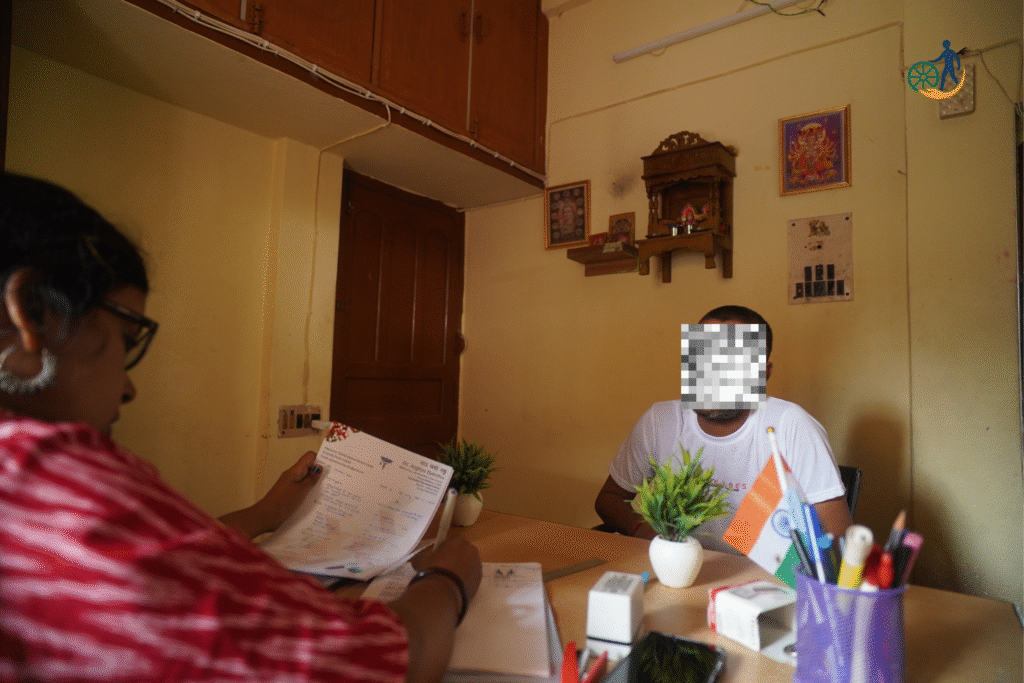
When people think about addiction recovery, the focus often stays on medication and counselling. These steps matter, but recovery needs deeper rebuilding. Choosing the best rehabilitation centre in Howrah, Hooghly, Kolkata means choosing care that restores life, purpose, and balance. Holistic therapy sees addiction as more than a habit. It understands the connection between physical health, emotional well-being, and mental stability. When these areas heal together, recovery becomes sustainable and meaningful. Why Treating A Person Is Better Than Treating ‘Only’ The Addiction? Addiction does not exist in isolation. It is often connected to emotional stress, unhealthy routines, and unresolved pain. Treating only the substance leaves gaps in healing. Holistic recovery focuses on the individual’s complete experience. Physical strength, emotional awareness, and mental clarity are treated together. This approach creates stability and reduces the risk of relapse. How Has Deaddiction Therapy Evolved Beyond Detoxification? Modern deaddiction therapy is no longer limited to short-term medical intervention. A structured de-addiction centre in Howrah supports individuals through lifestyle rebuilding alongside clinical care. Recovery now includes learning how to manage stress, regulate emotions, and develop healthy daily habits. When people understand their triggers and emotional patterns, recovery feels less frightening. This awareness builds confidence and self-trust. Individuals begin to feel prepared for life outside treatment, not dependent on constant supervision. Can Nutrition Really Influence Emotional And Mental Healing? Substance use often disrupts appetite, digestion, and nutrient absorption. Holistic care restores nutrition to support recovery at a biological level. Well-planned meals help by: Stabilising energy levels Supporting brain function Reducing emotional fluctuations Proper nourishment also reduces cravings during alcohol de-addiction treatment. Food becomes a source of healing, not control. Why Is Physical Movement Essential For Mental Stability During Recovery? The body holds stress long after substance use ends. Without movement, this tension can turn into anxiety, restlessness, or emotional numbness. Structured physical activity helps naturally release stored stress. Mental health rehabilitation includes movement to restore a sense of safety and control. Exercise improves sleep, mood, and emotional balance. It helps individuals healthily reconnect with their bodies. Movement becomes a reminder that the body can feel strong, calm, and reliable again. How Do Creative Therapies Help Heal Emotions? Some emotions are difficult to describe verbally. Creative therapies provide safe channels for expression. Art, music, and movement help individuals process inner experiences without judgment. These methods support addiction recovery therapy by encouraging emotional release. Creative expression also helps rebuild self-identity and confidence. Is Holistic Treatment Really Helpful? Holistic treatment strengthens traditional therapy rather than replacing it. Counselling becomes more effective when supported by healthy routines. Healing becomes part of daily life. This integrated approach prepares individuals for real-world challenges. Recovery continues even after treatment ends. Reclaim Your Mind, Body, And Happiness Now! Recovery is most effective when care addresses the mind, body, and emotions together. With fitness, nutrition, and creative care, you can regain balance, confidence, and inner strength. If you or your loved ones are seeking lasting transformation, reach out to the best rehabilitation centre in Howrah, Hooghly, Kolkata today. Explore personalised programmes, expert guidance, and holistic therapies planned to support complete recovery. Don’t wait! Call us now for the care and help you need the most for a healthier and happier life.
Feeling Lost? How Recovery Centres Help You Find Yourself
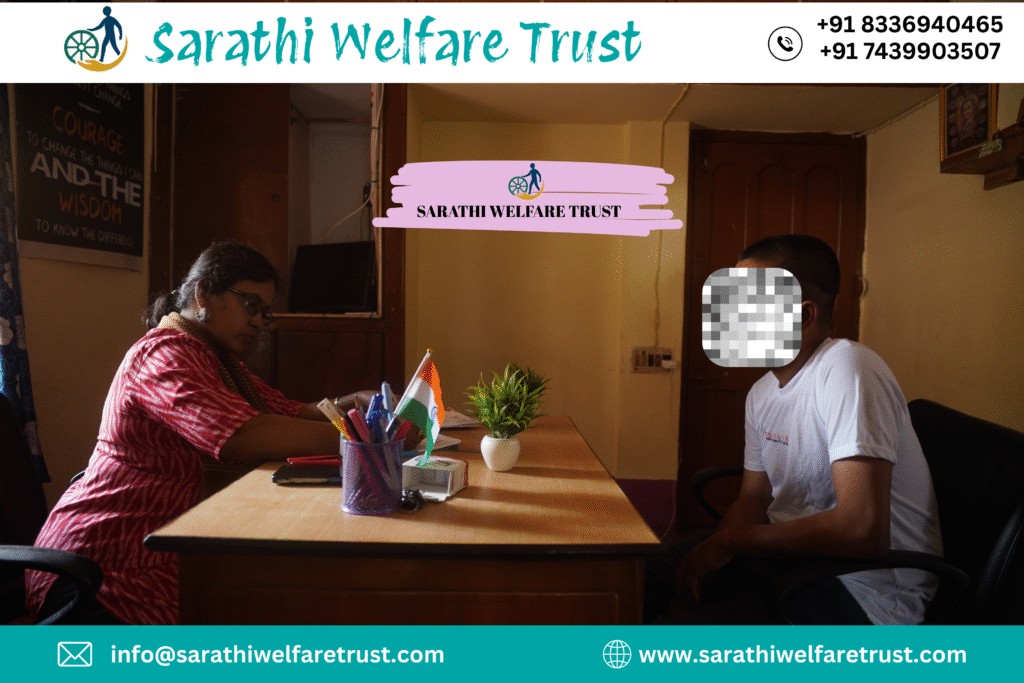
Life can often feel like an endless maze, leaving you lost, overwhelmed, and unsure of your next step. Many individuals face moments where stress, past choices, or addiction take over, making it difficult to navigate life. A rehabilitation centre can be the guiding light for those seeking clarity and transformation, helping them rediscover purpose and inner strength. The Silent Battle You No Longer Need to Fight Alone Many people continue their struggles silently because they fear judgment. However, healing becomes easier when you have a community that listens without blaming you. Within these centres, trained professionals guide you patiently. They help you identify patterns that drain your energy and hold you back. This support encourages you to trust yourself again. During your stay, you also learn the value of mental wellness. These lessons equip you with tools to rebuild your life with confidence and inner strength. How Recovery Centres Help You Reconnect With The Real You? A structured environment often serves as the foundation for healing. Here is how these centres help you find stability again: 1. Daily Routines That Bring Balance Restoring balance begins with simple habits. Regular activities, guided sessions, and mindful spaces help you feel safe, centered, and overcome addiction. 2. Counselling That Helps You Speak Your Truth Professional counselors help you express emotions you may have hidden for years. Talking openly becomes a decisive step toward understanding your inner world. 3. Group Support That Makes You Feel Seen Interacting with others who share similar struggles reminds you that healing is not a lonely road. Stories of resilience inspire emotional healing and help you believe in your own strength. 4. Personal Growth That You Can Feel Every Day Over time, you start noticing small but meaningful changes. You become patient with yourself. You think clearly. You reconnect with your identity with more hope and confidence. Walking Out With A Stronger Sense Of Self As you progress, you learn to better manage your thoughts and emotions. You become aware of your strengths and understand your boundaries. You also develop practical skills for relapse prevention, which helps you stay steady even when life feels uncertain again. Most importantly, you learn to choose yourself every single day. By the time you complete the programme, you will walk out with a clearer mind and a heart that feels lighter. If You’re Ready, Your Healing Can Begin Today Feeling lost is not the end of your story. With the proper support, you can reclaim your life and inner peace. Our rehabilitation centre, Sarathi Welfare Trust, provides the tools, guidance, and environment needed to begin this transformative journey. If you or a loved one is struggling, reaching out today can be the turning point toward a healthier, happier, and more purposeful life. Your journey to self-discovery begins with a single step. Take it today, and let the path to healing unfold.