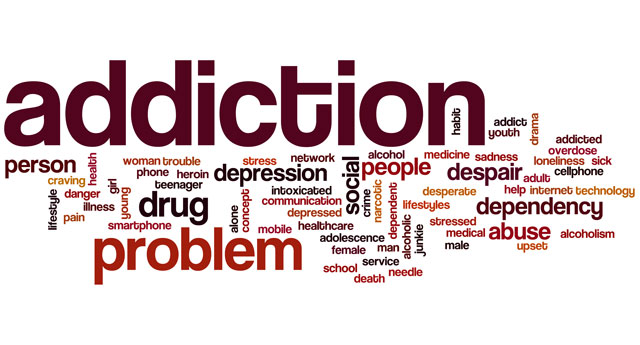
Imagine waking determined to quit, yet losing control before breakfast. Promises crumble, guilt rises, and shame whispers cruel judgments. Friends call it weakness, family calls it poor choices. Society labels struggles as a simple failure of discipline.
Science tells a radically different story. Brains can change in ways that choice alone cannot fix. Neural pathways trap behavior in relentless loops. Cravings overpower logic like storms overpower umbrellas.
Medical experts now classify addiction as a chronic illness. Effective addiction recovery treatment addresses biology, psychology, and environment together. Sarathi Welfare Trust believes compassion accelerates healing more than blame ever could.
What Is Addiction?
Addiction is a chronic condition affecting brain function and behavior. A habit forms through repetition but remains under voluntary control. Addiction overrides control and continues despite serious personal harm. People experience intense cravings and painful withdrawal symptoms. They struggle to stop even after repeated attempts.
Daily responsibilities collapse while substance use becomes a priority. Medical authorities recognize addiction as a legitimate health disorder. Organizations such as the World Health Organization recognize their medical classification.
The American Psychiatric Association provides diagnostic criteria for clinical treatment. Professional addiction recovery treatment in Kolkata helps individuals regain stability, purpose, and independence safely.
The Brain Science Behind Addiction
Pleasurable experiences trigger dopamine release inside the brain’s reward circuit. Dopamine reinforces behaviors necessary for survival and reproduction. Eating, bonding, and achievement naturally activate this motivational system. Drugs and addictive behaviors overstimulate circuits far beyond natural limits.
The brain records these surges as essential for survival. Repeated exposure gradually alters neural communication pathways. Brain cells adapt by reducing natural dopamine production and receptor sensitivity. Individuals then require larger amounts to feel normal satisfaction. Decision-making regions weaken while impulse-control systems lose efficiency.
Stress responses intensify, increasing vulnerability to compulsive patterns. Cravings emerge automatically when triggers appear in daily life. These neurological shifts limit rational thinking during critical moments. Expecting willpower alone to override altered circuitry ignores medical reality.
No one blames patients for lacking willpower against epilepsy or Parkinson’s disease. Addiction similarly disrupts organ function, specifically the brain. Comprehensive addiction recovery treatment restores balance through medical and psychological interventions.
Genetic and Environmental Risk Factors
Genetics significantly influence how brains respond to substances and behaviors. Family history increases vulnerability through inherited biological traits. Certain genes affect dopamine regulation, impulse control, and stress sensitivity. Inherited differences make some individuals more susceptible to dependency.
Biology loads the gun, but the environment pulls the trigger. Traumatic childhood experiences strongly correlate with later substance misuse. Abuse, neglect, and household instability disrupt emotional development.
Chronic stress reshapes brain circuits linked to fear and survival. Poverty limits access to healthcare, education, and supportive networks. Social isolation increases emotional distress and unhealthy coping behaviors. Peer pressure normalizes experimentation, especially during adolescence.
Easy substance availability further raises risk in vulnerable communities. Cultural stigma prevents many families from seeking timely intervention. Early prevention and education significantly reduce long-term consequences.
Personalized addiction recovery treatment considers genetic predispositions and life experiences. Sarathi Welfare Trust designs programs addressing both biological vulnerability and environmental hardship compassionately.
Addiction Compared to Other Diseases
Addiction shares characteristics with chronic illnesses like diabetes and asthma. These conditions alter normal organ function and require long-term management. Patients cannot reverse them through determination alone. Heart disease also demands medication, monitoring, and lifestyle adjustments.
Addiction similarly changes brain structure and the systems that regulate behavior. Symptoms may improve, but vulnerability often remains lifelong. Relapse resembles flare-ups seen in other chronic medical conditions. Doctors adjust treatment plans rather than blaming patients for setbacks.
Structured addiction recovery treatment combines therapy, medication, and supportive lifestyle changes. Consistent care helps individuals maintain stability and prevent severe complications. Compassionate disease management improves outcomes across all chronic disorders.
The Harm of the “Willpower” Myth
Labeling addiction as weakness creates powerful barriers to recovery. Shame discourages individuals from admitting struggles or requesting professional help. Fear of judgment pushes many people into secrecy and isolation. Families often blame loved ones instead of understanding medical complexities.
Relationships fracture under anger, confusion, and misplaced responsibility. Communities frequently demand punishment rather than offering healthcare solutions. Stigma reduces funding for rehabilitation and mental health services. Workplaces may terminate employees rather than support recovery efforts.
Constant criticism damages self-esteem and worsens emotional distress. Anxiety and depression commonly intensify without proper intervention. Accessible addiction recovery treatment becomes harder to pursue under social pressure. Empathy and awareness dismantle stigma and encourage timely medical support.
Modern Treatment Approaches
Effective care begins with medically supervised detoxification. Detox removes harmful substances while managing withdrawal symptoms safely. Doctors may prescribe medications that reduce cravings and prevent relapse. Medication-assisted care stabilizes brain chemistry during the early stages of recovery.
Psychological therapies address emotional triggers and harmful thought patterns. Cognitive Behavioral Therapy helps patients reframe beliefs and develop coping strategies. Motivational Interviewing strengthens internal commitment toward positive behavioral change. Therapists guide individuals to set realistic recovery goals.
Group counseling builds connection through shared experiences and peer accountability. Support groups create safe environments for discussing setbacks and progress. Family therapy repairs relationships damaged by prolonged substance misuse.
Community programs provide vocational training and social reintegration opportunities. Holistic approaches include mindfulness practices, exercise routines, and nutritional planning. Integrated addiction recovery treatment targets physical, psychological, and social healing simultaneously.
Long-term monitoring ensures consistent progress and early relapse prevention. Sarathi Welfare Trust delivers personalized addiction recovery treatment in Kolkata tailored to individual recovery journeys.
How Society Can Respond Better
Public education must replace myths with evidence-based medical understanding. Schools should teach early prevention and emotional coping strategies. Healthcare systems must treat dependency as a clinical priority. Insurance coverage should include comprehensive addiction recovery treatment services.
Communities benefit when compassion replaces judgment and exclusion. Employers can support rehabilitation through flexible policies and reintegration programs. Media narratives should highlight recovery success rather than sensational failures.
Government policies must prioritize rehabilitation over incarceration for nonviolent cases. Collective responsibility creates safer environments that support sustainable access to addiction recovery treatment.
Addiction is a medical condition, not a character flaw. Brain changes make quitting far more complex than resisting temptation. Scientific evidence demands compassionate, healthcare-centered responses. Judgment delays healing while empathy encourages timely intervention. Families and communities play vital roles in sustained rehabilitation. Professional addiction recovery treatment offers structured pathways toward stability and independence.
Sarathi Welfare Trust advocates dignity, respect, and evidence-based care. Support loved ones with understanding instead of criticism. Promote awareness initiatives that dismantle stigma and misinformation. Encourage those struggling to seek addiction recovery treatment without fear or shame.